Draft season is officially upon us, and for fantasy baseball managers, the allure of big names and high-upside prospects can often lead to a precarious path. While everyone wants the next superstar on their roster, championship-winning seasons are often defined as much by the players you avoid as the ones you select. As managers refine their 2026 fantasy baseball draft strategy, a new set of warnings has emerged from industry experts regarding some of the game's most recognizable figures.
The High-Risk Veterans: Corey Seager and Jose Altuve
When healthy, Corey Seager is arguably the most productive shortstop in the game. However, that "if" has become a significant hurdle for fantasy owners. According to analysis from ESPN’s Eric Karabell, Seager represents a level of risk that may not be worth the high draft capital required to secure him. The primary concern isn't the talent—it's the availability. At a position as deep as shortstop, spending a high-round pick on a player with a recurring injury history can leave a roster vulnerable early in the season.
Similarly, Jose Altuve remains a staple of the second base position, but age and the associated physical toll are beginning to factor into his fantasy outlook. For managers following a conservative 2026 fantasy baseball draft strategy, the concern with Altuve lies in the potential for a sudden decline in stolen bases or missed time. Along with Ozzie Albies, these high-profile infielders carry a price tag that assumes peak performance, leaving little room for error if they fail to meet their lofty statistical projections.
The Hype Trap: Pete Crow-Armstrong and the Prospect Ceiling
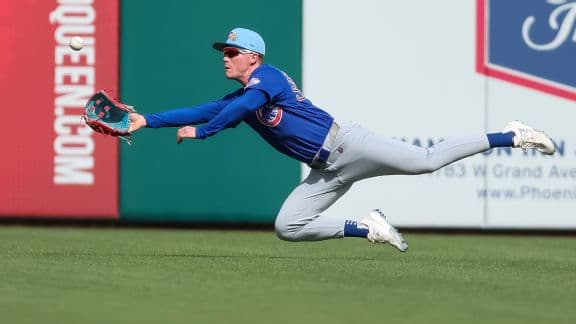
Few players generate as much buzz as Pete Crow-Armstrong (PCA). His elite defense and game-breaking speed make him a highlight-reel favorite, but his fantasy utility remains a point of contention. The risk with PCA is rooted in the uncertainty of his offensive floor. While the stolen base potential is enticing, a lack of consistent at-bats or a low batting average could make him a liability in standard rotisserie formats.
The "hype trap" extends beyond Chicago. Other high-ceiling names like Jasson Dominguez, Dylan Crews, and Chandler Simpson are frequently drafted based on their future potential rather than their current projected output. Karabell notes that these players often suffer from "too much hype" relative to their actual role in the 2026 season. If a player isn't guaranteed a full-time role or 500+ at-bats, their path to fantasy relevance becomes significantly narrower, making them dangerous picks in the middle rounds.
Pitching Red Flags: Blake Snell and Tyler Glasnow
The pitching landscape is equally treacherous this year. Blake Snell and Tyler Glasnow are perennial Cy Young contenders when they are on the mound, but their track records of inconsistency and injury make them polarizing figures in the 2026 fantasy baseball draft strategy conversation. Snell’s tendency for high pitch counts and shorter outings can limit his win potential and strikeout totals, while Glasnow’s durability remains the primary obstacle to his status as a fantasy ace.
The "Do Not Draft" list also extends to the bullpen. High-leverage arms like Josh Hader, Devin Williams, and Ryan Helsley are elite talents, but the volatility of the closer position—combined with the high cost of entry—makes them risky investments. Managers may find better value by waiting on relief pitching rather than reaching for a name-brand closer who could see a dip in save opportunities or health.
Positional Value and the Catcher Conundrum
One of the most debated aspects of fantasy drafts is the value of elite catchers. Adley Rutschman and JT Realmuto have long been the gold standard at the position, but experts are questioning whether their production justifies their current Average Draft Position (ADP). As younger options emerge and the gap between the top tier and the middle tier shrinks, spending a premium pick on a catcher who may see fewer at-bats due to rest days is a strategy many are moving away from.
Other notable names identified as potential busts or high-risk assets include:
- Royce Lewis: Incredible per-game production marred by frequent stints on the IL.
- Oneil Cruz: Massive power and speed, but high strikeout rates create a low floor.
- Luis Robert Jr.: Elite talent whose health has consistently derailed fantasy seasons.
- Michael Harris II: High expectations that may not align with his projected plate appearances.
Final Thoughts for Your 2026 Draft
Success in fantasy baseball is often about mitigating risk. While it is tempting to chase the ceiling of a player like Corey Seager or the excitement of Pete Crow-Armstrong, the 2026 season requires a more disciplined approach. By identifying players who carry too much hype or have significant injury histories, you can build a more resilient roster capable of weathering the long 162-game grind. Remember, you can't win your league in the first few rounds, but you can certainly lose it by taking on too much risk.
Sources & Original Reporting


