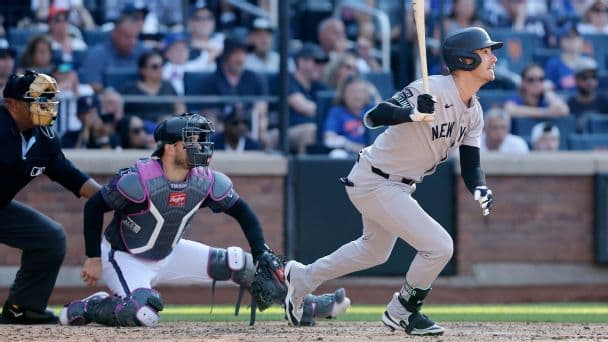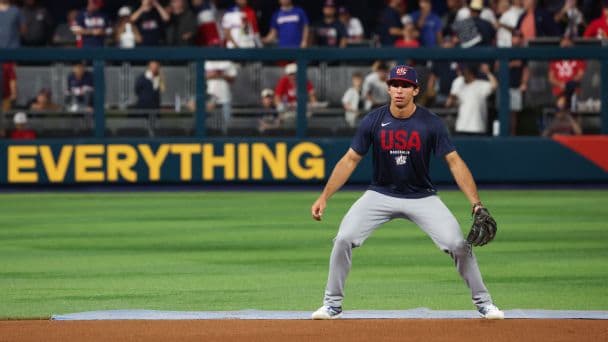
As the baseball world turns its attention toward the summer, the conversation surrounding the 2026 MLB Draft is reaching a fever pitch. Front offices across the league are currently locked in high-stakes debates, weighing the long-term potential of raw physical tools against the proven track record of statistical production. With scouting departments finalizing their boards, the intel emerging from the backfields and collegiate stadiums suggests a draft class defined by a fascinating philosophical divide among Major League executives.
The Philosophy of the 2026 MLB Draft: Tools vs. Production
One of the most significant storylines heading into the 2026 MLB Draft is the ongoing tug-of-war between scouts who prioritize "tools" and those who lean on "production." In recent years, the league has seen a shift toward valuing high-ceiling athletes with elite exit velocities and sprint speeds, even if their box scores don't always reflect that dominance. This year, that trend is being put to the test.
Execs are asking whether a high school outfielder with a 70-grade power tool but a high swing-and-miss rate is a safer bet than a disciplined college hitter who consistently puts the ball in play but lacks elite physical projection. The consensus among many scouts is that while production offers a higher floor, the modern game’s emphasis on specialized training makes it easier for teams to develop raw tools into usable skills. However, the risk of a high-ceiling prospect failing to adjust to professional pitching remains a primary concern for risk-averse front offices.
The Shift Toward College Pitchers Over Prep Aces
For decades, the "prep arm" was the ultimate gamble in the draft—a high-school pitcher with a triple-digit fastball and a frame to grow into. However, early intel for the 2026 MLB Draft indicates a distinct preference for college pitching over high school prospects. This shift is driven by several factors that have changed the landscape of player evaluation:
- Data Availability: College pitchers perform in environments equipped with TrackMan and Hawkeye technology, providing scouts with a wealth of spin rate and vertical break data that is often missing at the high school level.
- Durability and Workload: Executives are increasingly wary of the injury risks associated with young pitchers. College arms have already demonstrated the ability to handle a starter’s workload against high-level competition.
- Shortened Development Timelines: A college junior is often considered "closer" to the big leagues, fitting the competitive windows of many MLB teams better than a 18-year-old who may need five years in the minors.
While there are still several elite prep aces expected to go in the first round, the "safety" of the college arm is currently the dominant theme in draft rooms.
Scouting Reports: What Talent Evaluators are Watching
Scouts are currently blanketing the country to get their final looks at the top prospects. The scouting reports emerging from this cycle highlight a deep class of middle infielders and a resurgence of power-hitting corner players. Evaluators are not just looking at what a player does on the field, but how they handle adversity. The "intel" phase of the draft involves deep background checks into a player’s makeup, work ethic, and coachability.
In the 2026 MLB Draft, the distinction between a "good player" and a "first-round talent" often comes down to specific metrics. For hitters, it is the ability to maintain bat speed against elite velocity. For pitchers, it is the presence of a "secondary" pitch—a slider or changeup—that can consistently generate chases outside the zone. Scouts are reporting that this year’s collegiate crop is particularly strong in these refined areas, potentially leading to a run on college talent in the top ten picks.
Executive Intel: How MLB Teams are Evaluating Talent
The final decisions on draft day are rarely made by scouts alone. Analytics departments and high-level executives play a massive role in synthesizing scouting reports with proprietary models. The "buzz" inside these organizations suggests that teams are becoming more sophisticated in how they value defensive versatility. A player who can play three different positions at a high level is seeing their stock rise significantly, as it provides managers with more tactical flexibility.
Furthermore, the financial aspect of the draft cannot be ignored. Teams are looking for "value" picks that allow them to allocate their bonus pool across multiple rounds. This strategic maneuvering often leads to surprising selections in the middle of the first round, where a team might take a "safe" college player to save money for a high-upside prep player later in the draft.
As we approach the 2026 MLB Draft, the strategies being formed today will shape the future of MLB franchises for the next decade. Whether teams opt for the explosive potential of tools or the reliable consistency of college production, the stakes have never been higher.
Sources & Original Reporting