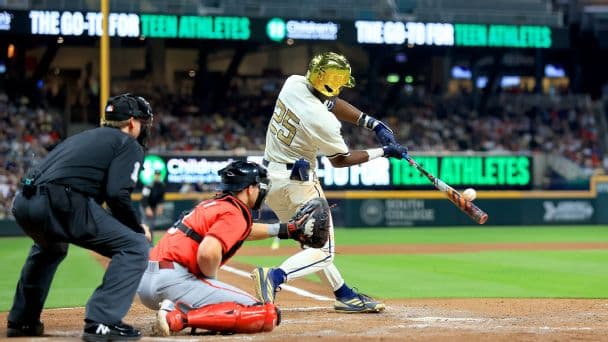
The arrival of draft week marks one of the most transformative periods on the baseball calendar. As front offices across the league descend upon the selection site, the 2026 MLB Draft stands as a critical crossroads for franchises looking to bridge the gap between rebuilding and contending. With the Chicago White Sox sitting in the driver’s seat with the No. 1 overall pick, the stakes have never been higher for scouting departments tasked with identifying the next generation of superstars.
According to the latest intel from ESPN’s Kiley McDaniel, the landscape of this year’s draft is defined by a mix of high-upside prep talent and polished collegiate performers. For all 30 teams, ranging from the perennial powerhouses like the Los Angeles Dodgers to those in the middle of a deep reset like the Oakland Athletics, the draft represents more than just adding players; it is about resource management, slot values, and long-term organizational philosophy.
The Chicago White Sox and the Pressure of No. 1
All eyes are firmly fixed on the Chicago White Sox as they prepare to make the first selection in the 2026 MLB Draft. Holding the top pick provides a unique advantage, but it also carries the weight of expectation. The White Sox are at a juncture where they must decide between a "best player available" approach or a strategic selection that might allow them to spread their bonus pool across multiple high-end talents in later rounds.
The question at the top of the board isn't just about who the best player is today, but who fits the White Sox's accelerated timeline for returning to competitiveness. Whether they lean toward a power-hitting infielder or a frontline starting pitcher, their choice will set the tone for the entire first round. Intel suggests that the White Sox have narrowed their focus, but in the draft, the final decision often comes down to the wire as negotiations and medical reports are finalized.
Strategic Intel for All 30 Teams
While the White Sox dominate the early headlines, the 2026 MLB Draft offers intrigue for every fan base. Teams like the Tampa Bay Rays and Minnesota Twins have historically excelled at finding value in the middle of the first round, often targeting players with high analytical scores. Meanwhile, the San Francisco Giants and Pittsburgh Pirates face their own set of unique questions regarding their organizational depth and which positions require the most immediate infusion of talent.
The draft guide highlights that for many teams, the "one big question" revolves around the balance of risk. Do you take the high-school pitcher with a 100-mph fastball but a longer development curve, or the college senior who can contribute to a Major League bullpen by next September? This year's class is particularly deep in middle infielders, which may lead to a run on shortstops early in the proceedings.
Contenders vs. Rebuilders: Different Approaches
The draft strategies often diverge based on a team's current standing in the MLB hierarchy:
- The Contenders: Teams like the Braves, Phillies, and Yankees often look for "underslot" deals in the first round to save money for aggressive overslot signings in the third or fourth rounds, effectively hunting for elite talent that fell due to signability concerns.
- The Rebuilders: For teams like the Rockies and Marlins, the goal is often to maximize the ceiling of their first-round pick, prioritizing "loud" tools and physical projection over immediate readiness.
- The Wildcards: Teams like the San Diego Padres are known for their aggressive scouting and willingness to take big swings on international-style prospects or players with unique athletic profiles.
The Role of Scouting Intel in Draft Week
As draft week arrives, the information flow becomes a torrent. Front offices are constantly monitoring the "boards" of their rivals, trying to anticipate which players might slide. The 2026 MLB Draft is expected to see significant movement in the late first round, where several teams hold multiple picks or competitive balance selections.
Kiley McDaniel’s reporting underscores the importance of the "intel" phase. This isn't just about how fast a player runs or how hard they hit the ball; it’s about understanding the signability of each prospect. In the modern era of the MLB Draft, a team's ability to manage their bonus pool is just as important as their ability to scout talent. A missed calculation on a player's asking price can derail an entire draft class.
Looking Ahead to Draft Night
As the clock ticks down to the first pick, the 2026 MLB Draft remains wide open. While the White Sox hold the keys to the start of the night, the decisions made by all 30 teams will resonate for years to come. From the high-stakes environment of the top ten to the hidden gems found in the double-digit rounds, the draft remains the lifeblood of Major League Baseball.
Stay tuned to Sport Syntax for continued coverage as we track every pick, every trade, and every surprise during one of the most exciting weeks in professional sports. The future of the diamond starts here.
Sources & Original Reporting


