The 2026 MLB trade deadline is rapidly approaching, and it promises to be one of the most complex and high-stakes midsummer markets in recent history. While every deadline features the standard dance between buyers and sellers, the 2026 landscape is being shaped by a unique convergence of elite talent availability and significant off-field uncertainty. From the potential movement of a reigning Cy Young winner to the looming shadow of labor negotiations, the factors governing this year's trades go far beyond simple roster needs.
The Tarik Skubal Factor: A Deadline Kingmaker
As the 2026 MLB trade deadline nears, no name carries more weight than Detroit Tigers ace Tarik Skubal. The left-hander has established himself as one of the most dominant forces in the American League, and his contract status makes him the ultimate "X factor" for the current market. Teams like the Los Angeles Dodgers, Philadelphia Phillies, and Baltimore Orioles are reportedly monitoring the situation closely, knowing that adding a pitcher of Skubal’s caliber could immediately tilt the World Series odds.
For the Detroit Tigers, the decision to move Skubal is fraught with long-term implications. The return for a top-tier starter with his level of control would be historic, potentially accelerating the Tigers' rebuilding efforts with a haul of elite prospects. However, trading a franchise cornerstone also sends a specific message to a fan base hungry for sustained success. Whether Skubal stays or goes will likely determine the volume of the entire trade market.
Labor Uncertainty and the Looming CBA Expiration
Perhaps the most significant underlying theme of the 2026 deadline is the expiration of the current Collective Bargaining Agreement (CBA) following the season. This labor uncertainty is acting as a silent hand in front-office decision-making across the league. According to industry insiders, teams are weighing the risk of long-term financial commitments against the unknown landscape of a new labor deal.
This "labor factor" could manifest in two distinct ways:
- Aggressive Short-Termism: Contenders like the Atlanta Braves and Houston Astros may push all their chips in now, viewing 2026 as a guaranteed window of competition before potential changes to luxury tax thresholds or service time rules.
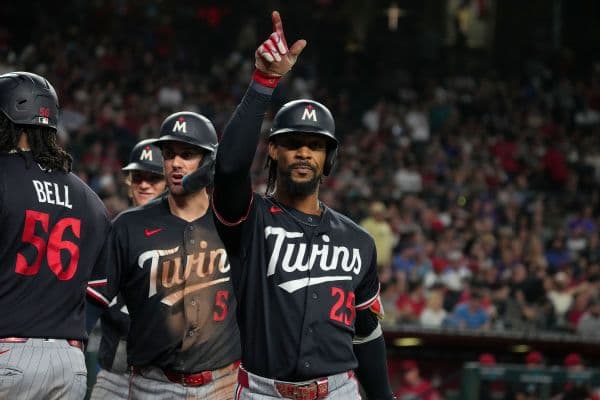
- Calculated Hesitation: Small-market or mid-market teams, such as the Minnesota Twins and Seattle Mariners, might be more reluctant to take on significant salary or trade away controllable assets until the future economic structure of the game is clearer.
Key Teams to Watch: Buyers and Strategists
The Boston Red Sox and San Diego Padres are expected to be among the most active participants this summer, though for different reasons. The Red Sox, under a front office looking to balance sustainability with the demands of a high-pressure market, face a pivot point. Do they consolidate their young talent for a proven star, or do they hold steady?
Meanwhile, the San Diego Padres remain a perennial wild card. Under A.J. Preller, the Padres have shown a consistent willingness to engage in blockbuster deals. If a player like Skubal or a high-end bat becomes available, expect San Diego to be in the middle of the conversation, regardless of their current place in the standings.
The Tampa Bay Rays also represent a fascinating case study. Known for their "churn" strategy, the Rays are often both buyers and sellers simultaneously, moving established veterans for younger, cheaper talent while still maintaining a competitive major league roster. Their activity often serves as a bellwether for how the rest of the league values specific player archetypes.
The Pitching Premium in 2026
Beyond Skubal, the demand for starting pitching remains at an all-time high. The 2026 MLB trade deadline is expected to see a massive premium placed on arms that can provide bulk innings. Contenders such as the Philadelphia Phillies and Atlanta Braves have historically prioritized pitching depth to survive the postseason gauntlet. If the supply of top-tier starters remains low, the bidding wars for mid-rotation talent could reach unprecedented levels of prospect capital.
As we move closer to the end of July, the intersection of talent, team needs, and the looming labor crisis will create a high-pressure environment for general managers. The decisions made in the coming weeks will not only define the 2026 postseason but could set the course for franchises for the remainder of the decade.
Sources & Original Reporting