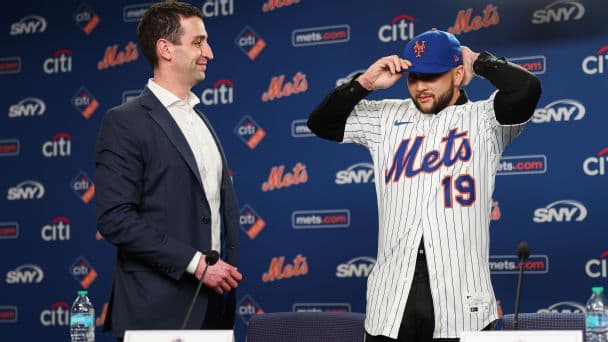
The New York Mets have never been a franchise to shy away from bold moves, but the transition from the 2025 season to the 2026 campaign represents one of the most aggressive roster reconstructions in recent memory. Under the leadership of David Stearns and the financial backing of Steve Cohen, the 2026 New York Mets have undergone a total transformation, swapping out familiar faces for a collection of All-Star talent and high-leverage arms. As the dust settles on a frantic offseason, fans are asking one critical question: Is this team actually better than the one that took the field last year?
A New Middle Infield: The Arrival of Semien and Bichette
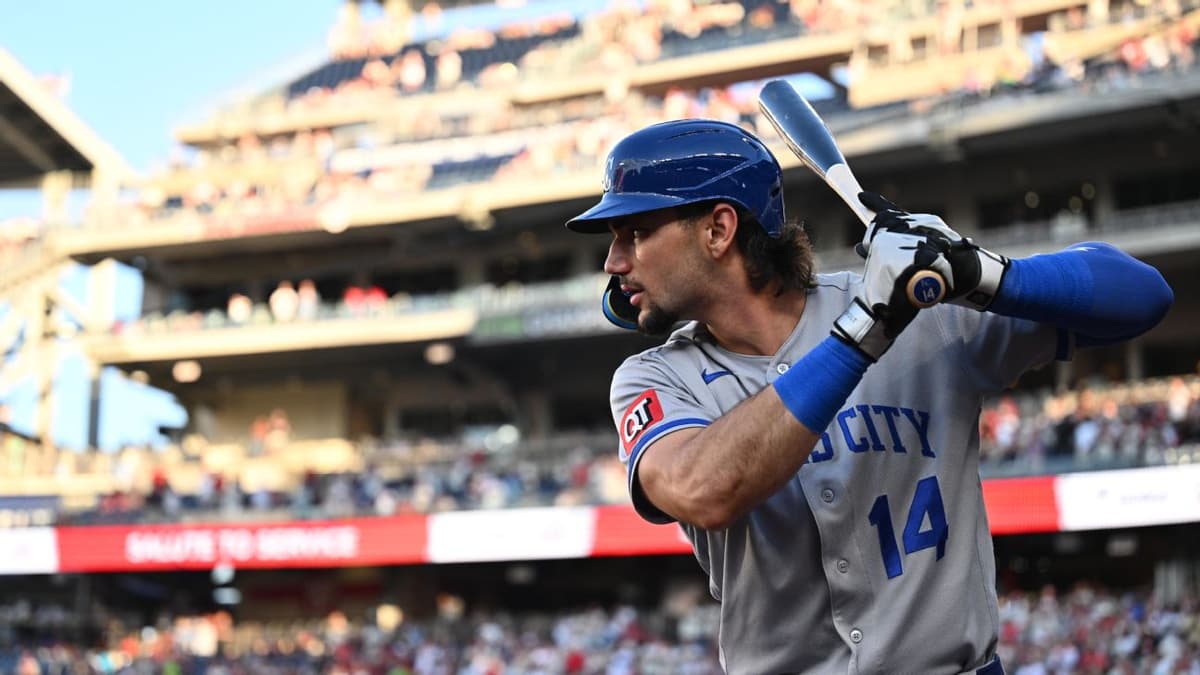
The most glaring changes to the 2026 New York Mets roster occur in the heart of the diamond. The front office made a clear statement by acquiring two of the most productive middle infielders in the game: Marcus Semien and Bo Bichette. This duo immediately elevates the Mets' floor both offensively and defensively. Semien brings a veteran presence and a history of MVP-caliber production, while Bichette provides a high-contact bat that can stabilize the top of the order.
Adding to this depth is the acquisition of Jorge Polanco. Known for his versatility and switch-hitting ability, Polanco offers the Mets a tactical advantage, allowing the coaching staff to play the matchups effectively. Compared to the 2025 middle infield, which often relied on younger, less proven talent or stop-gap veterans, the 2026 iteration is built on a foundation of proven MLB success. The combination of Semien’s power and Bichette’s ability to spray the ball across the field makes this one of the most formidable infield units in the National League.
The Luis Robert Jr. Factor in the Outfield
Perhaps the most exciting addition to the 2026 roster is Luis Robert Jr. When healthy, Robert Jr. is a true five-tool superstar capable of changing a game with a single swing or a diving catch in center field. His arrival signals a shift in the Mets' philosophy toward prioritizing elite athleticism and defensive range. In 2025, the Mets' outfield defense was often a point of contention; with Robert Jr. patrolling the gaps, the pitching staff can expect a significant reduction in BABIP (Batting Average on Balls In Play).
Offensively, Robert Jr. provides the raw power and speed that every championship contender needs. While his injury history is well-documented, his ceiling is higher than almost any player the Mets have rostered in the last decade. If he can stay on the field, he serves as the perfect complement to the steady production of the newly acquired infielders.
Rebuilding the Rotation and the Bullpen
An offseason overhaul is never complete without addressing the mound, and the Mets were surgical in their approach to the pitching staff. The addition of Freddy Peralta gives the rotation a high-strikeout arm that can dominate any lineup. Peralta’s ability to miss bats is a crucial upgrade for a team that struggled to put hitters away in high-leverage situations during the 2025 season.
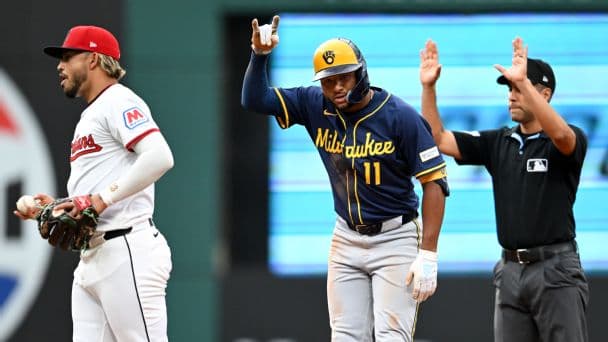
The bullpen has also seen a significant facelift, headlined by the acquisition of Devin Williams and Luke Weaver. Williams, famous for his devastating "Airbender" changeup, provides the Mets with a legitimate elite closer who can lock down the ninth inning. Weaver, who has reinvented himself as a reliable high-leverage reliever, adds much-needed depth to the bridge leading to Williams. The 2026 New York Mets pitching staff looks significantly deeper on paper, with a clear hierarchy that was often missing in the previous season.
Verdict: Is the 2026 Roster Improved?
When comparing the 2025 and 2026 rosters, the improvements are evident in nearly every facet of the game. Here is a quick breakdown of the key upgrades:
- Offensive Consistency: The additions of Semien and Bichette provide a more reliable offensive baseline.
- Defensive Range: Luis Robert Jr. transforms the outfield defense from a liability to a strength.
- Late-Inning Security: Devin Williams gives the team a tier-one closer that changes how games are managed.
- Rotation Ceiling: Freddy Peralta offers top-of-the-rotation upside that provides a better match against division rivals.
While chemistry and health will ultimately determine the success of the 2026 New York Mets, the talent infusion is undeniable. The front office has successfully moved on from the uncertainties of 2025, replacing them with established stars. On paper, the 2026 Mets are not just better; they are built to be a perennial powerhouse in the National League East.
Sources & Original Reporting