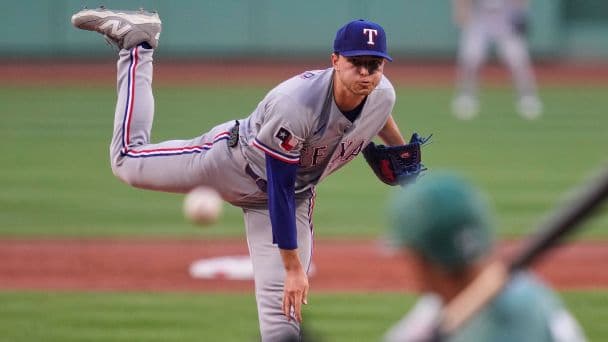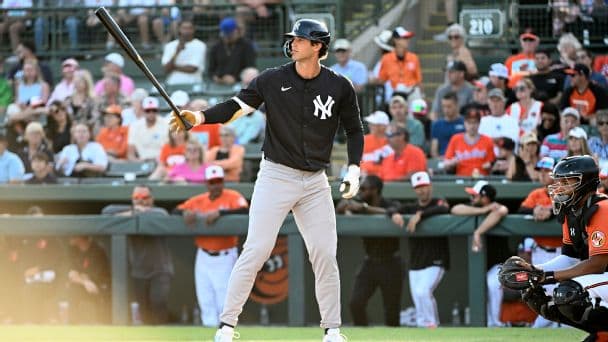
The future of Major League Baseball is a moving target, constantly evolving as young talent matures through the minor league systems. While the elite Top 100 prospects garner the most headlines, the 2026 top MLB prospect rankings extending into the 101-200 range offer a crucial look at the depth and sustainability of various franchises. These rankings, recently updated by ESPN’s Kiley McDaniel, highlight the players who are knocking on the door of elite status and could become the household names of tomorrow.
The Significance of the 101-200 Range
Rankings outside the traditional Top 100 are often where the most intriguing development stories begin. For many organizations, the players ranked 101-200 represent high-variance talent—athletes with massive physical tools who are still refining their technical approach. These prospects are essential for long-term roster construction, serving as valuable trade chips or as the next wave of cost-controlled starters.
In his latest analysis, McDaniel provides a comprehensive look at this secondary tier. By focusing on the 101-200 range, evaluators can identify which farm systems have the most significant depth. This "next hundred" often includes late-blooming college players, high-ceiling international signings, and young pitchers who are one mechanical adjustment away from a breakout season.
Franchise Depth: Who is Loading Up?
The 2026 top MLB prospect rankings reveal which organizations are successfully building layers of talent. Several teams stand out for their presence in this deep-tier list, indicating a healthy pipeline that extends well beyond their top-tier blue chips. Organizations currently featured in this talent evaluation include:
- Cleveland Guardians and Seattle Mariners: Known for their pitching development pipelines.
- Atlanta Braves and Texas Rangers: Often focusing on high-ceiling athletic prospects.
- Detroit Tigers and Kansas City Royals: Teams looking to supplement their rebuilding efforts with mid-tier depth.
- New York Yankees and Los Angeles Dodgers: Traditionally deep systems that consistently produce "next man up" talent.
Other notable inclusions in the rankings cover a wide swath of the league, including the St. Louis Cardinals, Houston Astros, Boston Red Sox, Milwaukee Brewers, and Baltimore Orioles. The sheer number of teams represented—from the Chicago Cubs to the San Diego Padres—underscores the competitive nature of modern scouting and player development.
Handing Out Superlatives: Beyond the Numbers
A unique aspect of this rankings update is the use of superlatives. Rather than just providing a numerical list, McDaniel assigns specific categories to players to explain their potential impact. These superlatives help fans and analysts understand the specific "toolset" that earns a player a spot in the top 200. While the specific names are part of the deep-dive analysis, the categories typically focus on:
Raw Power and Exit Velocity
Some prospects in the 101-200 range possess elite power that rivals current MLB stars, but they may lack the contact consistency required for a higher ranking. These "superlative" winners are the ones to watch if their hit tool develops.
Pure Speed and Defensive Range
Other players are recognized for their floor rather than their ceiling, specifically those with elite speed or Gold Glove-caliber defensive potential at premium positions like shortstop or center field.
Pitching Upside and Spin Rates
For pitchers, superlatives often highlight those with the "best individual pitch" or the highest spin rates in the minors. These are the arms that scouting departments believe can be transformed into high-leverage relievers or mid-rotation starters with the right coaching.
Why These Rankings Matter for 2026
The 2026 timeline is significant because it represents the expected arrival window for many of these prospects. A player ranked in the 101-200 range today is often two years away from making a consistent impact at the Major League level. For teams like the New York Mets, Philadelphia Phillies, and Toronto Blue Jays, the development of these specific players will determine whether their competitive windows stay open or if a transition period is necessary.
Furthermore, the 2026 top MLB prospect rankings serve as a barometer for the health of the league's developmental systems as a whole. As the Arizona Diamondbacks, Washington Nationals, and Pittsburgh Pirates continue to integrate young talent, the depth provided by the 101-200 tier ensures that the talent pool remains replenished.
Conclusion: The Future is Deep
While the Top 100 will always get the spotlight, the players ranked 101-200 are the foundation of a successful MLB franchise. Whether they are future All-Stars or valuable contributors, these prospects represent the incredible depth of talent currently residing in the minor leagues. As we look toward the 2026 season, the superlatives handed out today will likely serve as the first chapter in the stories of the league's next great contributors.
Sources & Original Reporting