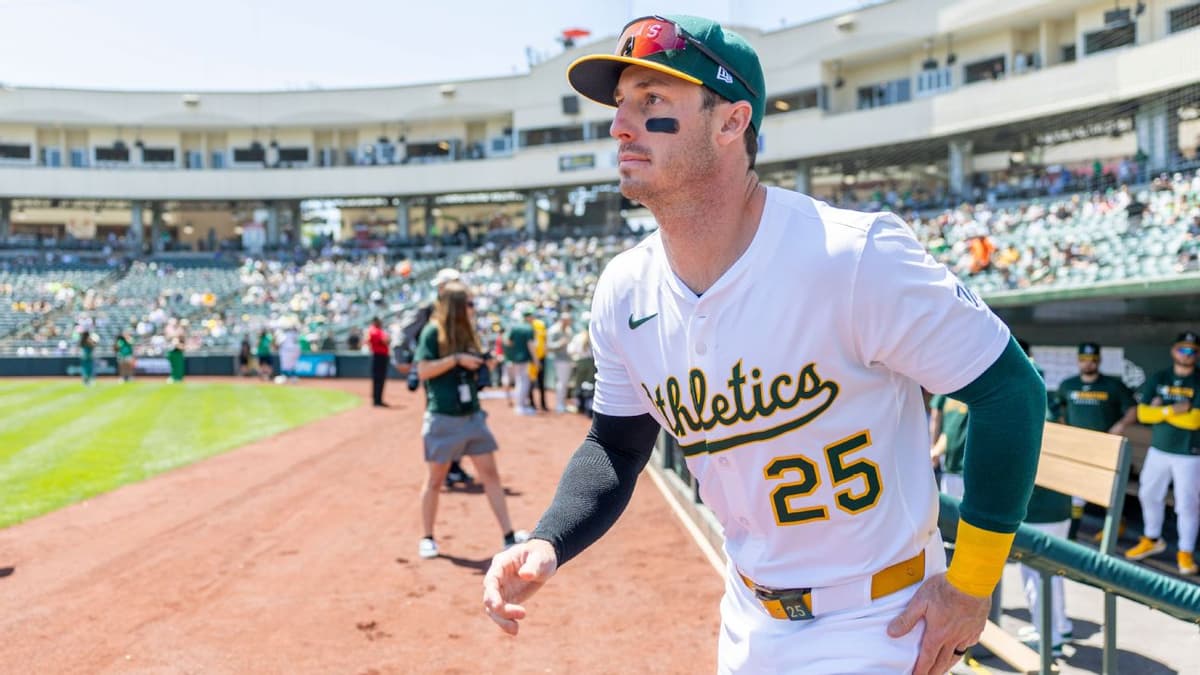
The Oakland Athletics received a significant boost to their offensive production on Sunday as the team officially announced they have activated Brent Rooker from the 10-day injured list. After missing 14 games due to a right oblique strain, the two-time All-Star is set to reclaim his pivotal role in the heart of the Athletics’ batting order.
Brent Rooker Returns to the Cleanup Spot
In his first game back, the Athletics wasted no time putting their star back into a high-leverage position. Rooker was inserted directly into the cleanup spot, serving as the designated hitter for the series finale against the Texas Rangers. This move signals the team's confidence in his recovery, placing him in a position where he can immediately impact the scoreboard.
The 14-game absence was a result of a right oblique strain that forced the slugger to the sidelines. Oblique injuries are among the most common and frustrating ailments for baseball players, particularly those with the high-effort swing mechanics of a power hitter like Rooker. The Athletics' decision to keep him out for 14 games—four more than the minimum IL stint—suggests a calculated effort to ensure the muscle was fully healed before he returned to full-speed competition.
The Significance of the Two-Time All-Star
The return of Brent Rooker is a game-changer for an Oakland team looking to find consistency in their offensive output. As a two-time All-Star, Rooker has transformed into one of the most dangerous hitters in the American League. His ability to hit for both power and average makes him the focal point of opposing pitching plans, and his absence left a noticeable void in the middle of the order.
During Rooker’s time on the shelf, the Athletics' lineup lacked the veteran presence and power profile that a cleanup hitter of his caliber provides. His presence in the lineup does more than just add a productive bat; it provides protection for the hitters batting second and third, forcing pitchers to challenge them rather than risk facing Rooker with runners on base. Over the last 14 games, Oakland had to shuffle various players through the DH and cleanup roles, but none possess the specific statistical impact that Rooker brings to the plate.
Navigating the Recovery Process
Oblique strains typically involve the muscles between the ribs that are essential for the rotational movement required in hitting. For a designated hitter, the primary concern is the torque generated during the swing. By activating Brent Rooker as the DH rather than having him play the outfield immediately, the Athletics are managing his workload and reducing the physical stress associated with throwing and defensive maneuvers.
The Athletics' training staff likely put Rooker through a series of rigorous tests, including high-velocity batting practice and lateral movement drills, before clearing him for Sunday's game. His activation comes as a relief to the clubhouse, which has had to lean heavily on younger prospects and utility players during his two-week stint on the injured list. The team has been careful not to rush his return, acknowledging that a re-aggravation of an oblique injury could result in a much longer recovery period.
Impact on the Series Against Texas
The timing of Rooker’s return is particularly relevant as the Athletics conclude their series against the Texas Rangers. Divisional matchups are often decided by a single swing of the bat, and Rooker has a history of coming through in clutch situations. Having his bat back in the fourth spot gives the Athletics a better chance to capitalize on scoring opportunities that may have gone stagnant over the past two weeks.
As the season progresses, the Athletics will likely monitor Rooker closely to ensure no lingering effects from the strain. However, his immediate insertion into the cleanup spot is the strongest possible indicator that the slugger is ready to pick up right where he left off. Fans and fantasy managers alike will be watching closely to see if his timing remains sharp after the layoff.
Sources & Original Reporting