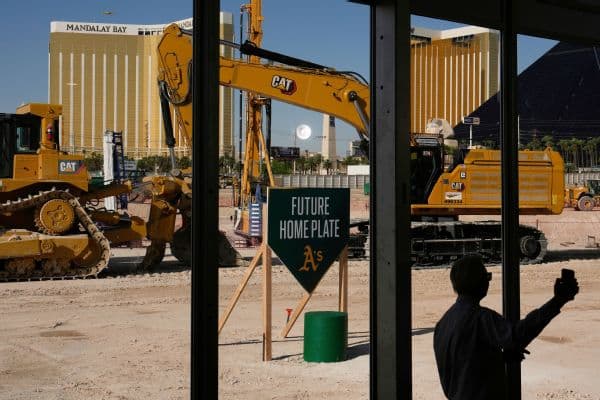
The long-anticipated move of the Athletics to Southern Nevada has reached its most significant physical milestone to date. On Wednesday, the organization announced that foundation work for the new Athletics Las Vegas stadium has been officially completed, marking a critical transition from site preparation to vertical construction. This development serves as the first major sign of "tangible progress" for a project that has been the subject of intense scrutiny across the MLB landscape.
Tangible Progress for the Las Vegas Stadium
Athletics vice chairman Sandy Dean expressed optimism regarding the project's current status, noting that the completion of the foundation is a foundational step—both literally and figuratively—in bringing Major League Baseball to the Las Vegas Strip. According to Dean, the team is pleased to report that the underground infrastructure and heavy foundation elements are now in place, allowing the construction crews to begin the next phase of development.
The completion of the foundation work is often considered one of the most unpredictable phases of any massive construction project. By finishing this stage, the Athletics have cleared a significant hurdle that involves site stabilization and the placement of the structural support necessary to hold the massive weight of a modern, climate-controlled ballpark. This progress keeps the project on track for its projected opening date in 2028.
Updated Costs and Modern Design
While the project continues to move forward on schedule, the financial landscape of the development has shifted since its inception. While initial estimates placed the project at approximately $1.5 billion, current projections as of early 2026 now place the total cost between $1.75 billion and $2 billion. This increase is attributed to necessary design adjustments, rising material costs, and general inflation affecting the construction industry.
The new stadium, situated on the 9-acre site formerly occupied by the Tropicana Las Vegas, is designed to be a state-of-the-art facility tailored to the unique environment of the desert. While the footprint is smaller than many traditional MLB ballparks, the design focuses on intimacy and a premium fan experience.
Key Features of the New Ballpark
- A 33,000-seat capacity, making it one of the most intimate venues in Major League Baseball.
- A fixed-roof design featuring a massive glass wall that provides stunning views of the iconic Las Vegas Strip.
- Advanced climate control systems to ensure fan comfort during the peak of the Nevada summer.
- Integration with the surrounding resort corridor to maximize foot traffic and tourism.
The Transition from Oakland
The Athletics Las Vegas stadium represents the culmination of a multi-year effort by team ownership to secure a new home. After decades in the Oakland Coliseum, the franchise officially transitioned away from the Bay Area following the 2024 season. The move has been a complex logistical undertaking, requiring the team to find a temporary solution while the Nevada site was prepared.
Establishing an Interim Home
While the Las Vegas stadium is being built, the team will play its home games at Sutter Health Park in West Sacramento. The team is expected to remain in Northern California for at least the 2025, 2026, and 2027 seasons. This interim period is crucial for the franchise as it attempts to maintain its operations while simultaneously building a new fan base in Nevada. The news of the foundation's completion provides a sense of certainty for fans in Las Vegas who have been waiting for concrete evidence that the team's relocation plans are moving forward according to the established timeline.
What Lies Ahead for Athletics Construction
With the foundation set, the construction timeline will now focus on the structural frame of the ballpark. This phase is typically faster and more visible than the subterranean work that has occupied the site for the past several months. In the coming months, residents and visitors in Las Vegas can expect to see the stadium's silhouette begin to rise above the construction fences, providing a visual confirmation of the team's impending arrival.
The project has already received significant public funding support, with the Nevada Legislature previously approving $380 million in public assistance for the stadium's development. As construction continues, the Athletics will also be working on finalizing their branding and community outreach programs in Southern Nevada. The organization remains focused on the 2028 season, which will mark the first time an MLB team calls Las Vegas home. For now, the "tangible progress" reported by Sandy Dean serves as a reminder that the desert's newest sports landmark is officially beginning to take shape.
Sources & Original Reporting