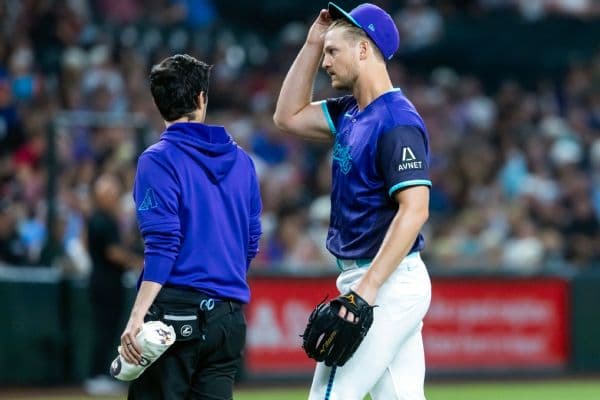
As the calendar turns to March 2, 2026, the crack of the bat and the pop of the glove aren't the only sounds defining the start of the new baseball year. In the early stages of Spring Training, the Oakland Athletics have established themselves as the league's most discerning team, leading all of baseball in MLB ABS challenge success rates during the first 10 days of action. While most teams are still shaking off the winter rust, the A's have shown a mid-season level of precision when it comes to questioning the home plate umpire.
According to recent data from the opening window of spring play, the Athletics have successfully overturned ball and strike calls at a higher frequency than any other club in the league. With a staggering 69.2% success rate, Oakland is setting a high bar for how to utilize the Automated Ball-Strike (ABS) challenge system. This early success suggests that the A’s players and coaching staff have quickly calibrated their expectations to match the Hawkeye technology governing the zone for the 2026 season.
Breaking Down the Numbers: MLB ABS Challenge Success Rates
The MLB ABS challenge success rates serve as a fascinating barometer for how well teams are adjusting to the electronic strike zone. During the first 10 days of Spring Training, the Athletics didn't just participate in the challenge system; they dominated it. By winning nearly 70% of their challenges, they have demonstrated a disciplined approach that could provide a massive competitive edge throughout the 2026 campaign.
While Spring Training is often a time for experimentation, the A’s have shown a level of discernment that outpaces National League heavyweights like the Los Angeles Dodgers and the San Francisco Giants. In a game where a single walk or a called third strike can shift the win probability by double digits, the ability to successfully challenge a missed call is a skill set that front offices are prioritizing. The Athletics' ability to identify clear errors by human umpires suggests they are entering the season with a distinct technological advantage.
The 2026 Rules: How the ABS Challenge System Works
For fans still getting used to the nuances of the Automated Ball-Strike system in the 2026 season, it is important to distinguish between "Full ABS" (where the computer calls every pitch) and the "Challenge System" currently being utilized. Under the current MLB implementation, a human umpire still calls the game, but teams have the right to appeal specific pitches to the computer.
- Two Challenges Per Game: Per the 2026 MLB rules, each team starts with two challenges per game.
- Retention Policy: If a challenge is successful and the call is overturned, the team retains that challenge. If the call stands, the challenge is lost.
- Instantaneous Results: The process is designed to be near-instant, with the computer's decision relayed via the stadium's video board and the umpire's headset within seconds.
The Athletics' 69.2% success rate indicates that they are not "burning" their two challenges on borderline pitches. Instead, they are identifying clear misses by the home plate umpires, ensuring they keep their challenges available for high-leverage moments later in the game. This efficiency is critical under the 2026 regulations, where a wasted challenge early can leave a team helpless against a late-inning mistake.
Strategic Implications for the 2026 Season
The high success rates seen in Oakland raise questions about how catching strategy will continue to evolve this year. For decades, "pitch framing"—the art of making a ball look like a strike—was one of the most valued skills for a catcher. However, with the ABS challenge system in place for the 2026 season, the value of framing is being increasingly offset by the ability to accurately identify when a pitch actually caught the black of the plate.
For the Athletics, this early success might be a reflection of their battery's preparation. Many of their pitchers and catchers have spent significant time in the minor leagues, where various iterations of ABS have been tested extensively. They understand the "shape" of the electronic zone, which often differs slightly from the traditional human-called zone, particularly regarding the vertical limits at the top and bottom of the plate. As the 2026 season progresses, this familiarity could translate into fewer walks issued and more strikeouts looking for Oakland's staff.
Looking Ahead: Will the Trend Continue?
As the rest of Spring Training unfolds, other teams like the San Francisco Giants and Los Angeles Dodgers will undoubtedly look to close the gap. The data collected during these first 10 days is a small sample size, but it provides a roadmap for the rest of the league. Teams will be analyzing video of every challenged pitch to see where umpires are most frequently missing calls and where the ABS system is most likely to grant an overturn.
The Athletics’ early lead in MLB ABS challenge success rates is more than just a spring training fluke; it is a sign of a team that is technically prepared for the modern era of baseball. As the league gathers more data, the pressure will be on umpires to match the accuracy of the machines, and on players to know exactly when to point to the dugout for a review. For now, the Athletics can claim the title of the most eagle-eyed team in baseball as they head toward Opening Day 2026.
Sources & Original Reporting