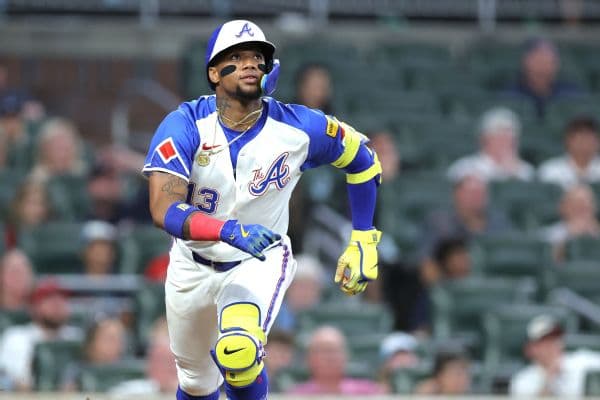
The Atlanta Braves have officially signaled the beginning of a new chapter in their storied history, announcing the launch of BravesVision, a dedicated television network that will serve as the team’s local broadcast home starting with the 2026 MLB season. This move marks a significant departure from the traditional regional sports network (RSN) model and places the Braves among a growing group of professional sports franchises taking direct control of their media rights and distribution strategies.
The Birth of BravesVision: A New Home for Atlanta Baseball
On Tuesday, the Braves organization confirmed that BravesVision will be the primary destination for fans to catch the action. The network is slated to air approximately 140 regular-season games per year, providing comprehensive coverage of the team as they navigate the rigorous 162-game MLB schedule. The remaining games will continue to be broadcast through Major League Baseball’s national media partners, ensuring that the Braves remain a fixture on the national stage while solidifying their local presence.
The decision to launch BravesVision comes at a time of immense transition within the sports media industry. For years, the Braves were a cornerstone of the Bally Sports South and Bally Sports Southeast lineups. However, the instability surrounding the RSN landscape, driven largely by the financial struggles of Diamond Sports Group, has prompted several MLB teams to seek more stable, long-term solutions for their local broadcasts. By establishing their own network, the Braves are insulating themselves from the volatility of third-party providers.
A Strategic Shift in the MLB Media Landscape
The launch of BravesVision is not just a win for the organization; it is a strategic move designed to enhance fan engagement and maximize revenue. By owning the network, the Braves gain full control over advertising sales, production quality, and distribution deals. This model has been successfully implemented by other major market teams, such as the New York Yankees with the YES Network and the Boston Red Sox with NESN. However, the Braves’ approach is particularly noteworthy given their massive geographical footprint, which spans across several states in the Southeast.
Historically, the Atlanta Braves have always been pioneers in the world of sports broadcasting. During the 1970s, 80s, and 90s, the team became "America’s Team" thanks to their presence on TBS, a national superstation owned by Ted Turner. That era allowed the Braves to build a massive, nationwide fan base that persists to this day. While the BravesVision model is focused more on local and regional distribution, it carries that same spirit of innovation and self-reliance that has defined the franchise for decades.
What Fans Can Expect from the 2026 Transition
While the 2025 season will proceed under existing broadcast arrangements, the 2026 launch of BravesVision will bring several changes to how fans consume Braves content. The organization has emphasized that their goal is to make the games as accessible as possible. This likely means a multi-platform approach that includes:
- Traditional Cable and Satellite: Partnerships with major providers to ensure the channel is available in standard sports packages.
- Direct-to-Consumer (DTC) Streaming: A potential standalone app or subscription service for cord-cutters within the Braves' home territory.
- Enhanced Production: Total control over the broadcast allows for specialized pre-game and post-game shows, as well as original programming featuring Atlanta Braves players and coaches.
By controlling 140 games, BravesVision will be able to offer a consistent viewing experience with familiar voices and high-production values. The team is expected to invest heavily in modernizing the broadcast experience, potentially incorporating advanced analytics and unique camera angles that provide a deeper look into the game.
The Future of Regional Sports Networks
The Braves are joining a wave of teams across the MLB, NBA, and NHL that are reclaiming their local rights. The "RSN bubble" has forced teams to rethink how they reach their local audiences. In many cases, this has led to a hybrid model where games are broadcast on free-to-air local television or through team-owned digital platforms. The BravesVision announcement suggests that the Braves believe a dedicated, team-branded network is the best way to serve their specific market.
For the MLB, this move is another sign that the league is moving toward a more fragmented but team-centric media future. Commissioner Rob Manfred has previously discussed the idea of a centralized MLB streaming service, but individual team efforts like BravesVision show that high-value franchises still see immense worth in managing their own local identity.
Conclusion: A Major Win for Braves Country
As the 2026 season approaches, the excitement surrounding BravesVision is sure to grow. For the millions of fans who comprise "Braves Country," the assurance of a dedicated home for 140 games provides peace of mind in an era of digital uncertainty. The Atlanta Braves have once again proven that they are leaders both on the field and in the front office, securing their future and ensuring that the "Tomahawk Chop" will be seen clearly by fans for years to come.
Stay tuned to Sport Syntax for more updates on the rollout of BravesVision and further developments in the evolving world of MLB broadcasting.
Sources & Original Reporting