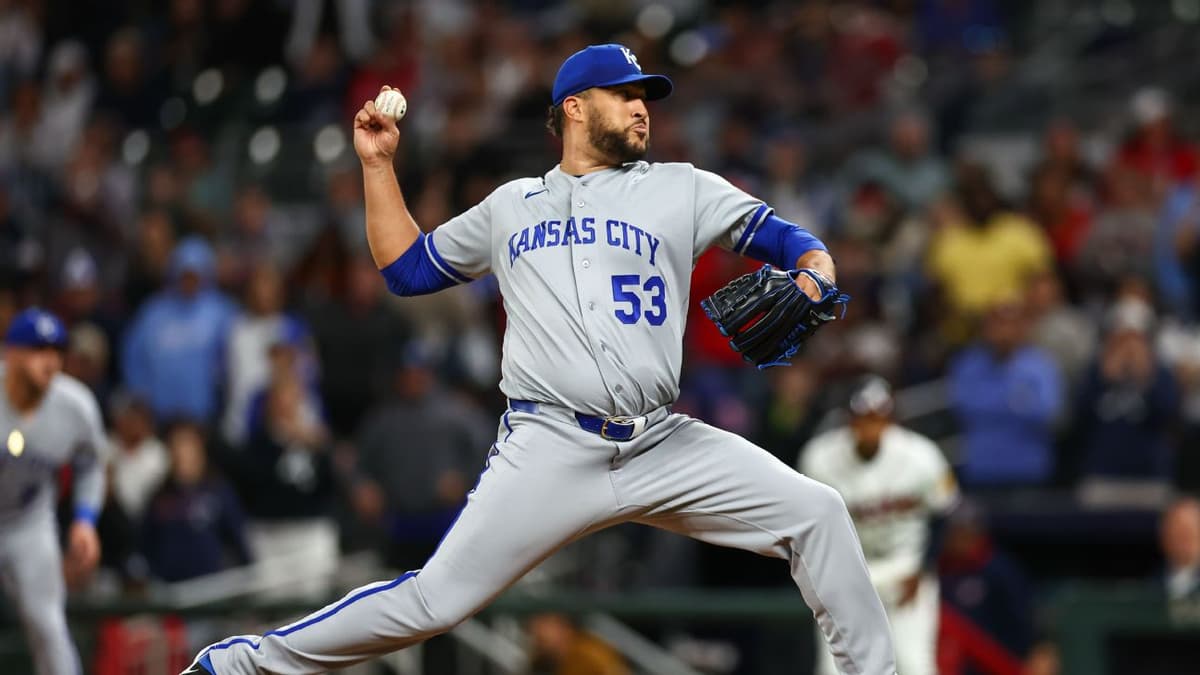
History was made on Wednesday night at Globe Life Field, but it wasn't just the scoreline that caught the attention of baseball fans across the country. In a definitive 8-3 victory for the visiting team, the Baltimore Orioles robot umpire call became the first instance in Major League Baseball history where the Automated Ball-Strike (ABS) system determined the final out of a game. This milestone moment coincided with an equally improbable personal achievement for pitcher Albert Suárez, who recorded his first major league save in nearly a decade.
A Historic Finish via the Baltimore Orioles Robot Umpire Call
The transition toward automated officiating reached a fever pitch in the bottom of the ninth inning. With the Orioles leading the Texas Rangers 8-3, the tension in the stadium was high, not because of a potential comeback, but because of the precision of the modern game. As the final pitch crossed the plate, the Baltimore Orioles robot umpire call signaled a strike that ended the contest, marking the first time the so-called "robot umpire" has officially ended an MLB game.
The Automated Ball-Strike system, which has been under rigorous testing in the minor leagues and various MLB scenarios, was the ultimate arbiter in Arlington. For the Rangers, it was a cold reminder of the unforgiving nature of a digitized strike zone. For the Orioles, it was a validation of a dominant performance that saw them control the pace from the early innings. The call was immediate and indisputable, leaving no room for the traditional arguments with home plate umpires that have defined the sport for over a century.
Albert Suárez Ends a Nine-Year Wait
While the technology might have stolen the headlines, the human element of the game was represented by the veteran presence of Albert Suárez. Stepping onto the mound to close out the game, Suárez was not just looking for three outs; he was looking to close a chapter of his career that had remained open for nine years. By securing the final out, Suárez earned his first major league save since the 2017 season, a testament to his longevity and perseverance in a league that often favors youth.
Suárez’s journey back to the high-leverage moments of a major league bullpen has been anything but linear. After nearly a decade between saves, his performance on Wednesday provided the Orioles with the stability they needed to put away the defending champions. He navigated the Rangers' lineup with poise, relying on a mix of veteran savvy and the confidence of a pitcher who has seen every iteration of the game—from human-only officiating to the current hybrid model.
Orioles Offense Overpowers the Rangers
The 8-3 final score was reflective of a Baltimore offense that clicked into gear early and never looked back. The Orioles' lineup pressured the Rangers' pitching staff from the opening frame, utilizing a combination of power and disciplined plate appearances. By the time the Baltimore Orioles robot umpire call occurred in the ninth, the result felt inevitable, though the Rangers did manage to put up a fight in the middle innings.
Key contributors for the Orioles ensured that the pitching staff had a comfortable cushion to work with. The victory moves Baltimore further up the standings as they continue to prove themselves as a powerhouse in the American League. Conversely, the Rangers struggled to find consistency on the mound, allowing the Orioles to build a lead that proved insurmountable even before the historic final strike was called.
The Future of MLB Officiating
The implications of Wednesday’s game extend far beyond a single win or loss in the standings. The successful implementation of a game-ending ABS call suggests that MLB is moving closer to a future where the human element of ball-and-strike counting is entirely supplemented by technology. While traditionalists may lament the loss of the "art" of framing and umpire psychology, the Baltimore Orioles robot umpire call demonstrates the league's commitment to objective accuracy.
As the season progresses, players and managers will have to continue adjusting to a strike zone that does not fluctuate based on the count, the hitter, or the atmosphere of the stadium. For one night in Texas, the technology worked exactly as intended, providing a clear, albeit historic, conclusion to a hard-fought battle between two of the league's most competitive franchises. The Orioles leave Texas with a win, a piece of history, and a rejuvenated Albert Suárez ready for the next challenge.
Sources & Original Reporting