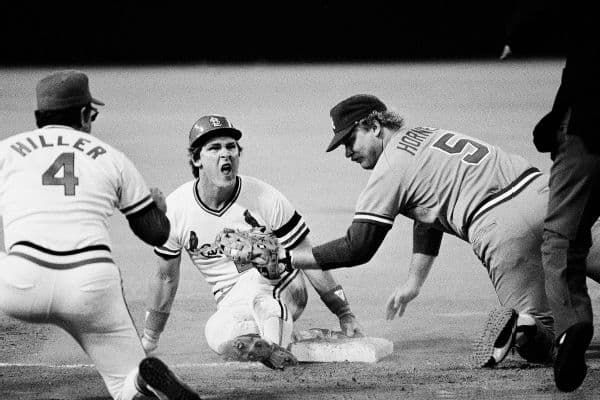
The baseball world is mourning the loss of a true power-hitting icon. Bob Horner, the legendary Atlanta Braves third baseman and former No. 1 overall draft pick, has passed away at the age of 68. Known for his immense strength and a swing that defined an era of Braves baseball, Horner remains one of the few players in history to jump directly from the collegiate ranks to the Major Leagues without spending a single day in the minor leagues.
A Historic Debut and Rookie of the Year Honors
Bob Horner’s entry into professional baseball was nothing short of cinematic. After a stellar collegiate career at Arizona State University, the Atlanta Braves selected him with the first overall pick in the 1978 MLB Draft. In a move that is almost unheard of in the modern era, Horner skipped the minor leagues entirely and was inserted directly into the Braves' starting lineup.
On June 16, 1978, in his very first Major League game, Horner proved he belonged on the big stage by hitting a home run off Hall of Fame pitcher Bert Blyleven. That debut set the tone for a remarkable season where he hit .266 with 23 home runs in just 89 games. His immediate impact earned him the National League Rookie of the Year award, beating out future Hall of Famer Ozzie Smith.
The Rare Feat: Hitting Four Home Runs in One Game
While Horner was a consistent power threat throughout his career, he is perhaps best remembered for a historic performance on July 6, 1986. During a game against the Montreal Expos at Atlanta-Fulton County Stadium, Bob Horner became the 11th player in MLB history to hit four home runs in a single game.
Despite Horner's incredible individual display of power, the Braves famously lost the game 11-8, making Horner one of only two players (along with Ed Delahanty) to hit four home runs in a losing effort. This feat remains one of the rarest achievements in sports, as only 18 players in the history of Major League Baseball have ever accomplished it.
A Legend of the Arizona State Sun Devils
Before he was a star in Atlanta, Horner was a foundational figure for the Arizona State Sun Devils. His collegiate career is often cited as one of the greatest in the history of the sport. In 1977, he helped lead Arizona State to a College World Series championship and was named the MVP of the tournament.
In 1978, Horner was the recipient of the inaugural Golden Spikes Award, which is given annually to the best amateur baseball player in the United States. His dominance at the college level changed the way scouts viewed collegiate power hitters, paving the way for future stars to be fast-tracked to the majors.
Legacy and Impact on the Atlanta Braves
During his nine seasons with the Atlanta Braves, Horner was a cornerstone of the franchise alongside greats like Dale Murphy. Though his career was occasionally hampered by injuries, his production when healthy was elite. He finished his ten-year MLB career (which included a final season with the St. Louis Cardinals and a stint in Japan with the Yakult Swallows) with 218 home runs, 685 RBIs, and a career batting average of .277.
Horner’s legacy is defined by his raw power and the fear he struck into opposing pitchers. He was a three-time 20-home run hitter and reached the 30-home run mark three times, including a career-high 35 long balls in 1980. Beyond the statistics, he represented a bridge for the Braves organization, providing star power during the transition into the team's successful run in the following decades.
The passing of Bob Horner marks the loss of a player who accomplished things few others ever will. From skipping the minors to joining the most exclusive home run club in history, Horner’s impact on the game of baseball will not be forgotten.
Sources & Original Reporting


