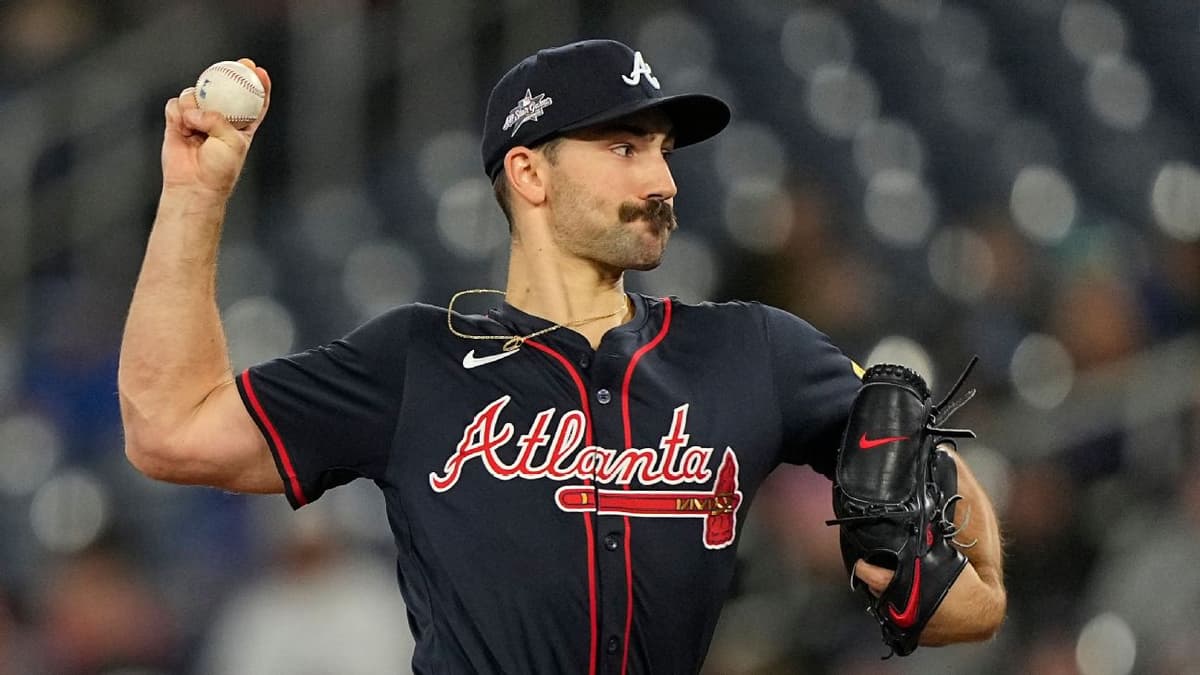
The Atlanta Braves' championship aspirations have hit a significant hurdle before the first pitch of the regular season has even been thrown. In a move that sends shockwaves through the National League, the team announced that ace right-hander Spencer Strider will begin the season on the injured list after being diagnosed with an oblique strain. This development represents a major setback for a rotation that was already under intense scrutiny heading into the spring training stretch.
Spencer Strider Sidelined: The Details of the Injury
According to team reports, Spencer Strider felt discomfort during a recent bullpen session, leading to diagnostic testing that confirmed the strain. Oblique injuries are notoriously fickle for pitchers, as the core muscles are essential for the high-velocity rotational force required to deliver a major league fastball. By placing him on the injured list now, the Braves are clearly prioritizing long-term health over a few early-season starts, but the absence of their strikeout leader leaves a massive void at the top of the staff.
Strider has quickly established himself as one of the most dominant forces in Major League Baseball. Known for his high-octane fastball and devastating slider, he has been the engine behind the Braves' defensive strategy. Losing a pitcher of his caliber—especially one who consistently challenges for the league lead in strikeouts—forces the Braves to recalibrate their approach to the first month of the season and beyond.
Impact on the Atlanta Braves Starting Rotation
With Spencer Strider unavailable for the opening weeks, the pressure shifts significantly to the remaining members of the Braves' rotation. The team will look to veterans and newly acquired talent to bridge the gap. The current outlook for the rotation includes:
- Max Fried: The left-handed stalwart will likely take over the Opening Day responsibilities and serve as the de facto ace in Strider's absence.
- Chris Sale: The veteran southpaw, acquired in the offseason, now becomes an even more critical piece of the puzzle. His health and performance will be under the microscope.
- Charlie Morton: The ageless wonder continues to provide stability, but the team will need him to eat significant innings early on.
- Reynaldo Lopez: Expected to transition back to a starting role, Lopez's versatility will be tested immediately as he moves up the depth chart.
The fifth spot in the rotation is now an open competition. Candidates such as Bryce Elder, who earned an All-Star nod in 2023, and top prospect AJ Smith-Shawver are the primary names to watch. The Braves' depth, which was considered a strength entering the spring, is being tested much earlier than anticipated.
Managing the Recovery Timeline
The typical recovery time for a Grade 1 oblique strain can range from three to six weeks, while more severe strains can sideline a player for two months or more. The Braves have not yet specified the grade of Strider's strain, but the decision to start him on the injured list suggests a cautious approach. For a pitcher who relies so heavily on explosive power and leg drive, ensuring the core is 100% healed is paramount to preventing a compensatory injury elsewhere, such as the elbow or shoulder.
The Braves' medical staff will likely implement a progressive throwing program once the initial inflammation subsides. Fans can expect a series of side sessions and potentially a brief minor league rehab assignment before Strider is cleared to rejoin the big league club. In the interim, the Atlanta offense, led by Ronald Acuña Jr. and Matt Olson, will need to provide plenty of run support to take the pressure off a reshuffled pitching staff.
The Road Ahead in the National League East
The National League East remains one of the most competitive divisions in baseball. With the Philadelphia Phillies and New York Mets always looming, every game in April and May carries weight. While the loss of Spencer Strider is a blow, the Braves have historically shown an ability to overcome adversity. Their front office, led by Alex Anthopoulos, has built a roster with enough internal options to weather a short-term loss, provided the rest of the staff remains healthy.
For fantasy baseball managers and Braves fans alike, the focus now turns to the daily injury reports. The hope in Atlanta is that this is merely a minor speed bump in what is expected to be another deep postseason run. However, in the high-stakes world of MLB, any injury to a premier arm like Strider’s is a story that will dominate the headlines until he returns to the mound.
Sources & Original Reporting