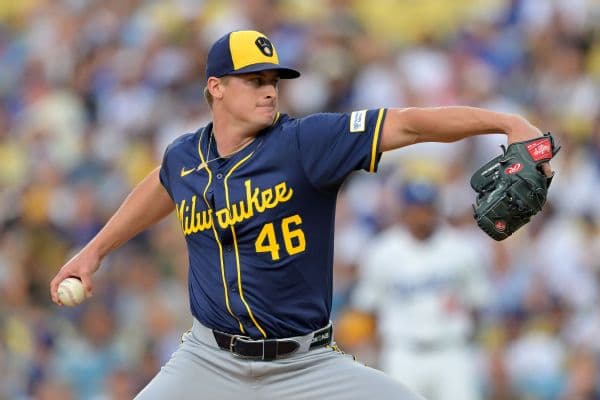
The Milwaukee Brewers’ pitching depth has been dealt a significant blow as right-hander Quinn Priester is scheduled to undergo season-ending thoracic outlet surgery. The news, which marks a difficult turn in the pitcher's tenure with Milwaukee, comes with a recovery timeline that will keep him off the mound for the foreseeable future as he addresses a persistent physical setback that has hampered his performance in the 2026 season.
Understanding the Diagnosis and Recovery Timeline
According to official team reports, Priester will undergo a procedure to address thoracic outlet syndrome (TOS), a condition that involves the compression of nerves or blood vessels in the space between the collarbone and the first rib. For professional pitchers, this diagnosis is often particularly challenging, as it can cause numbness, weakness, and a noticeable loss of velocity in the throwing arm. By opting for the operation now, the Brewers hope to resolve these issues permanently and allow the right-hander to return to his peak form.
The surgery is expected to sideline Priester for approximately eight to 10 months. Given the timing of the intervention in June, the 25-year-old will not only miss the remainder of the current campaign but will also face a rigorous rehabilitation process that stretches deep into the 2027 season. This timeline ensures that the Brewers will have to look toward their internal depth to fill the void in their pitching staff for the remainder of the year and the early stages of the next.
Impact on the Milwaukee Brewers Pitching Staff
The loss of Priester is a setback for a Milwaukee Brewers organization that has built a reputation for its ability to develop and maximize the potential of young arms. Priester, a former first-round draft pick, has been a key project for the Brewers' coaching staff since arriving in Wisconsin. His absence removes a versatile arm from the active roster—one that the team hoped could provide stability either in the starting rotation or as a bulk-inning reliever during the heat of a summer pennant race.
With the right-hander officially out of the picture for the rest of the year, Milwaukee will likely lean more heavily on its Triple-A depth and veteran swingmen. The Brewers' "pitching lab" philosophy relies on having a steady stream of talent available to navigate the long MLB season, and losing a player with Priester's pedigree tests the elasticity of their roster. The front office may now need to be more aggressive in evaluating external options or promoting top prospects to ensure the bullpen and rotation remain stabilized through the final months of play.
A Look at Priester’s Tenure in Milwaukee
Quinn Priester’s journey with the Brewers began nearly two years ago when he was acquired from the Pittsburgh Pirates in July 2024 in exchange for infielder Isaac Coffey. Since joining the organization, the 25-year-old has worked to find consistency at the big-league level. The Brewers saw Priester as a pitcher with significant untapped potential, possessing a mid-90s fastball and a suite of breaking pitches that the organization believed could be optimized within their developmental system.
During his time in Milwaukee, Priester has shown flashes of the talent that made him a top prospect. However, the physical symptoms associated with thoracic outlet syndrome may explain some of the hurdles he faced regarding command and stamina over the past several months. The decision to undergo Quinn Priester thoracic outlet surgery represents a commitment to his long-term health over immediate availability, ensuring he can pitch pain-free in the future.
The Road to Recovery and Future Outlook
The recovery process for this specific surgery is notoriously demanding for MLB pitchers. It typically involves an initial period of complete rest to allow the surgical site to heal, followed by a gradual physical therapy program designed to restore range of motion and strength in the shoulder and neck area. Only after several months of successful rehabilitation can a pitcher begin a structured throwing program, which then requires a lengthy ramp-up period to return to game-ready intensity.
While the recovery window of eight to 10 months is substantial, Priester’s age remains a factor in his favor. At 25 years old, he has the time to complete a full recovery and still contribute to the Brewers' long-term plans. The goal for the organization is to have him back at full strength by the middle of the 2027 season, provided there are no setbacks during his rehabilitation stages. Historically, many pitchers have successfully returned from TOS surgery, though the road back requires immense patience and precision.
Next Steps for the Organization
In the immediate term, the Brewers must pivot to manage the loss of a key depth piece. The organization has historically been successful in finding value in unexpected places, and they will need to do so again. Fans can expect the team to utilize their minor league affiliates to bridge the gap, while the coaching staff focuses on maintaining the health of the remaining active pitchers.
While the news of the season-ending surgery is a difficult development for both the player and the franchise, the focus now shifts entirely to Priester’s recovery. The Brewers remain committed to his future, and the hope is that this procedure will finally allow the right-hander to reach his ceiling as a primary Major League contributor in the years to come.
Sources & Original Reporting