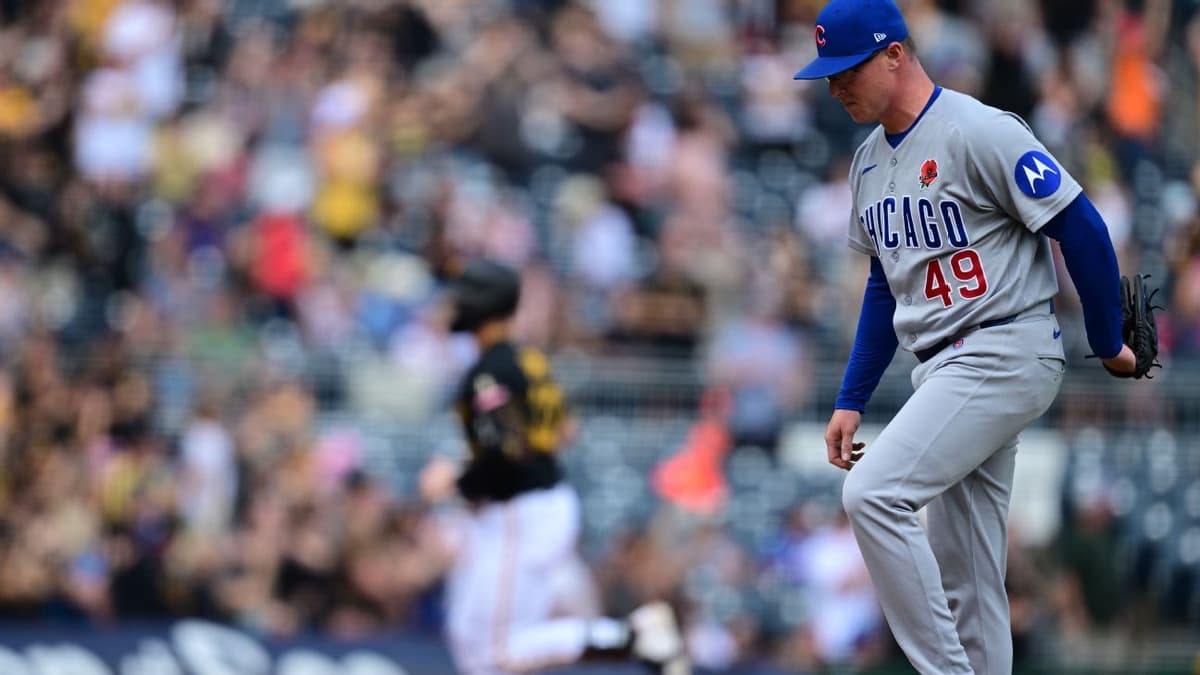
The Chicago Cubs are currently navigating a historic and baffling stretch of baseball that has left the league stunned. Following a narrow 2-1 defeat at the hands of the Pittsburgh Pirates on Monday, May 25, 2026, the North Siders have officially recorded the Chicago Cubs ninth straight loss. While losing skids are an unfortunate reality of the 162-game grind, this particular slide has cemented the team's place in the record books alongside a legendary predecessor, highlighting a season defined by unprecedented volatility.
A Historic Paradox: From Winning Streaks to a Nine-Game Skid
The 2026 Chicago Cubs season has become a study in statistical extremes. By dropping their ninth consecutive game on Monday, the Cubs have joined a very exclusive and unenviable club. They are now one of only two teams in the MLB expansion era (which began in 1961) to record multiple 10-game winning streaks and a nine-game losing streak in the same season. The only other team to accomplish this statistical anomaly is the 2017 Los Angeles Dodgers.
This "dubious mark" underscores the incredible inconsistency of the Cubs' performance this year. Earlier this spring, the team looked like an unstoppable juggernaut, stringing together two separate double-digit winning streaks that propelled them to the top of the standings. However, the current Chicago Cubs ninth straight loss has effectively erased that momentum, creating a season profile that is rarely seen in professional baseball history. To reach such dizzying highs and frustrating lows before the end of May is a feat that defies traditional baseball logic.
The Pirates Edge Out Cubs in Low-Scoring Affair
Monday's contest against the Pittsburgh Pirates was a microcosm of the Cubs' recent struggles at the plate. In a narrow 2-1 defeat, the Chicago offense failed to provide enough support for a pitching staff that kept them within striking distance throughout the afternoon. Despite the close score, the inability to manufacture runs during high-leverage situations has been a recurring theme throughout this nine-game slide.
The Pirates' pitching staff managed to navigate the Cubs' lineup with precision, limiting the North Siders to just one run on a handful of hits. For a team that previously dominated opponents during their two 10-game winning streaks, the sudden lack of offensive production is a stark contrast. The loss to Pittsburgh not only extended the streak but also underscored the difficulty the Cubs are having in finding ways to win close, defensive-minded games. Even when the pitching is elite, the bats have remained silent, leaving the team stuck in a cycle of narrow defeats.
Comparing the Cubs to the 2017 Dodgers
To understand the rarity of this situation, one must look back at the 2017 Los Angeles Dodgers. That Dodgers team is widely remembered as one of the most dominant regular-season squads in recent memory, yet they suffered a similar mid-season collapse that baffled the baseball world. In 2017, the Dodgers endured an 11-game losing streak—part of a larger 1-16 stretch—after having dominated the league for the first four months of the season. Like the current 2026 Cubs, they had already secured significant winning streaks earlier in the campaign.
The comparison offers a bit of a silver lining for Cubs fans, as that 2017 Dodgers team eventually corrected their course in time for the postseason and reached the World Series. However, the immediate concern for Chicago is stopping the current bleeding before the Chicago Cubs ninth straight loss turns into double digits. The statistical rarity of having such high highs and low lows in a single season is a testament to the unpredictable and often cruel nature of the sport, where momentum can vanish in an instant.
Statistical Breakdown of the Chicago Cubs Ninth Straight Loss
During this nine-game stretch, several key areas have faltered for the Chicago roster, leading to their current predicament. The data reveals a team that has fundamentally changed its identity over the last two weeks.
The Collapse of Run Production
The Cubs have struggled to score more than three runs in the majority of these nine losses, a far cry from their offensive outbursts earlier this spring. During their 10-game winning streaks, the team averaged over six runs per game, but that number has plummeted to fewer than two during the current skid.
Pitching Support and the Margin for Error
While the starting rotation has largely kept games close—exemplified by Monday's 2-1 scoreline—the margin for error has become non-existent. Without run support, every mistake by a pitcher or a fielder is magnified, leading to a mounting sense of pressure in the dugout.
Regression in Clutch Hitting
The team's batting average with runners in scoring position has plummeted compared to the data recorded during their two 10-game winning streaks. The Cubs are currently leaving an average of eight runners on base per game, failing to deliver the timely hits that defined their early-season success.
Looking Ahead: Can Chicago Break the Cycle?
As the Cubs prepare for the remainder of their series against the Pirates and look toward their upcoming schedule, the pressure to snap the streak is mounting. Matching the 2017 Dodgers for this dubious mark is a historical curiosity, but it is not a record any clubhouse wants to hold. The focus in the locker room must now shift back to fundamental baseball: solid starting pitching, timely hitting, and reliable relief work.
The Chicago Cubs ninth straight loss serves as a wake-up call for a roster that has already shown it has the talent to be elite. Whether they can recapture the form that led to their two 10-game winning streaks remains to be seen, but for now, they remain tied to the 2017 Dodgers in one of the strangest statistical seasons in MLB history. With most of the season still ahead of them, the Cubs have time to ensure this skid is a footnote rather than the defining story of 2026.
Sources & Original Reporting


