The landscape of Major League Baseball has been irrevocably changed by the arrival of Shohei Ohtani, but according to Chicago Cubs manager Craig Counsell, the league's attempts to accommodate the superstar have created an uneven playing field. In a recent series of pointed remarks, Counsell labeled the current MLB roster rules regarding the Los Angeles Dodgers’ pitching staff as "bizarre," suggesting that the defending National League MVP is receiving "special consideration" that benefits his team beyond his individual performance on the field.
The 14-Pitcher Loophole: A 'Bizarre' Advantage
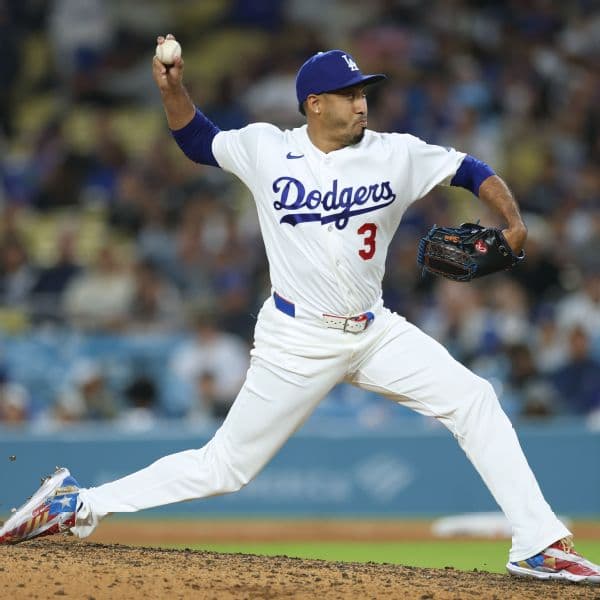
At the heart of the controversy is a specific roster allowance that permits the Los Angeles Dodgers to carry 14 pitchers on their active roster, rather than the standard 13-pitcher limit enforced for the rest of the league. This exception is directly tied to Ohtani’s status as a designated two-way player. While Ohtani is currently focusing on his offensive output as he recovers from elbow surgery, his classification allows the Dodgers to manipulate their bullpen depth in a way that other managers, including Counsell, find inherently unfair.
"It's bizarre," Counsell told reporters when asked about the roster configuration. "I don't know how else to put it. It’s a rule that’s in place for one person, and it gives one team a clear advantage in how they manage their pitching staff every single day." For a manager like Counsell, who is known for his tactical use of the bullpen, seeing a direct rival granted an extra arm is a significant point of contention.
Understanding the MLB Roster Rules for Two-Way Players
To understand Counsell's frustration, one must look at the technicalities of the MLB roster rules. In 2020, MLB introduced a limit on the number of pitchers a team could carry to prevent teams from cycling through endless relief arms and slowing down the pace of play. Most teams are strictly capped at 13 pitchers on a 26-man roster.
However, the "Ohtani Rule" was created to encourage the development of two-way players. Under this rule, a player who qualifies as a two-way player does not count toward the 13-pitcher cap. Because Shohei Ohtani met the historical requirements for this designation (pitching at least 20 Major League innings and starting at least 20 games as a position player/DH with at least three plate appearances in a single season), the Dodgers are permitted to carry 13 other pitchers alongside him.
The rub for Counsell and the Chicago Cubs is that Ohtani is not currently pitching. While he occupies the DH spot, his designation still grants the Dodgers that 14th roster spot for a traditional pitcher, effectively giving them a deeper bullpen than any other team in baseball.
Counsell Argues for Competitive Parity
Counsell’s primary argument centers on the idea of competitive parity. By allowing the Dodgers to carry an extra specialist or a long-relief arm, the league is inadvertently helping Los Angeles manage workloads and navigate injuries more effectively than their opponents. In a long 162-game season, an extra arm in the bullpen can be the difference between a rested closer and a blown lead in September.
"When you’re talking about 'special consideration,' that’s exactly what this is," Counsell noted. "We all play by the same set of rules, or we’re supposed to. When the rules are bent to accommodate a specific player’s unique talents, it has a ripple effect on the entire roster construction of that team."
The Impact on the Chicago Cubs and the National League
The Chicago Cubs are currently in the thick of a competitive National League race, where every roster spot is scrutinized. Counsell, who moved from Milwaukee to Chicago in a high-profile off-season jump, is well-aware of how much value a single roster spot holds. The ability to carry a 14th pitcher would allow the Cubs to perhaps keep a young prospect in the majors longer or protect a veteran arm coming off the injured list.
As the Dodgers continue to dominate headlines with Ohtani’s historic offensive season, the underlying structural advantages provided by the league office are becoming a major talking point among MLB executives and managers. Whether the league will revisit these MLB roster rules in the next Collective Bargaining Agreement remains to be seen, but for now, the "bizarre" advantage remains firmly in Los Angeles.
Key Takeaways from the Roster Debate
- Shohei Ohtani's two-way designation allows the Dodgers to carry 14 pitchers, while other teams are limited to 13.
- Cubs manager Craig Counsell believes this creates an unfair tactical advantage for Los Angeles.
- The rule was intended to promote two-way play but is currently benefiting the Dodgers while Ohtani is strictly a DH.
- The debate highlights the tension between MLB's desire to market superstars and the need for league-wide competitive balance.
Sources & Original Reporting