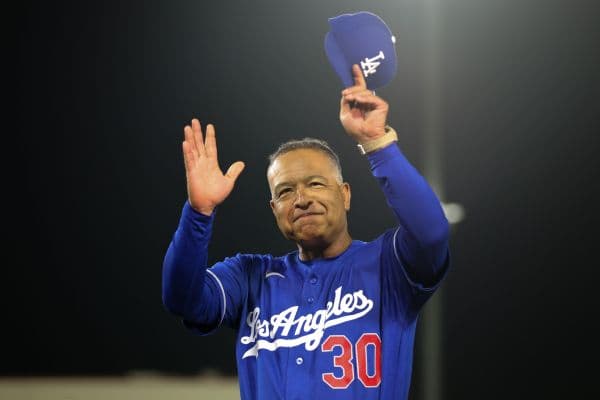
In the storied history of Major League Baseball, few milestones signify sustained excellence quite like the 1,000-win mark for a manager. On Tuesday night at the Oakland Coliseum, Dave Roberts didn't just join that exclusive club—he broke the door down. Following the Los Angeles Dodgers' commanding 9-3 victory over the Oakland Athletics, Roberts officially became the fastest manager in MLB history to reach 1,000 career wins.
A Milestone Victory in Oakland
The historic win came in typical Dodgers fashion, with a balanced offensive attack and clinical execution. The 9-3 win over the Athletics provided the perfect backdrop for Roberts to secure his place in the record books. While the players celebrated the victory on the field, the significance of the moment resonated throughout the organization. Reaching 1,000 wins is a testament to longevity, but reaching it faster than any other skipper in the history of the sport highlights the unprecedented run of success the Dodgers have enjoyed since Roberts took the helm in 2016.
The Dodgers' offense surged early, ensuring that Roberts wouldn't have to wait another day to claim the record. By the time the final out was recorded, the focus shifted from the box score to the man in the dugout who has guided Los Angeles through one of the most successful decades in franchise history.
Breaking the Speed Record for 1,000 Wins
To understand the magnitude of Dave Roberts 1,000 wins, one must look at the names he surpassed. The previous record-holders were legendary figures who defined their eras of baseball. Roberts managed to eclipse those marks by maintaining a winning percentage that has rarely dipped during his tenure. Since his first game as manager, Roberts has benefited from a star-studded roster, but his ability to manage personalities, navigate high-pressure postseason chases, and adapt to the evolving analytical landscape of the game has been the X-factor.
Key factors contributing to his record-breaking pace include:
- Consistent Regular Season Dominance: Under Roberts, the Dodgers have routinely won 90 to 100+ games per season.
- Divisional Control: Dominating the NL West has provided a steady stream of victories necessary to climb the all-time ladder quickly.
- Roster Management: Successfully integrating superstars like Mookie Betts, Freddie Freeman, and Shohei Ohtani into a cohesive winning culture.
The Roberts Era: A Decade of Excellence
When Dave Roberts was hired prior to the 2016 season, he inherited a team with high expectations but a long championship drought. Over the last nine seasons, he has led the Dodgers to numerous NL West titles, multiple World Series appearances, and a World Championship in 2020. His 1,000th win is a cumulative reflection of that relentless pursuit of victory.
Critics often point to the Dodgers' high payroll, but managing a team with the highest expectations in baseball brings a unique set of pressures. Roberts has managed to keep the clubhouse unified through injuries, slumps, and the intense media spotlight of Los Angeles. His positive demeanor and tactical flexibility have made him a mainstay in a profession known for high turnover.
What 1,000 Wins Means for the Dodgers' Legacy
For the Los Angeles Dodgers, this milestone reinforces their status as the gold standard of modern baseball operations. Roberts reaching 1,000 wins faster than any other manager is as much an organizational achievement as it is a personal one. It validates the front office's decision to stick with Roberts through the ups and downs of the postseason, proving that stability at the top leads to historic results.
As the 2024 season progresses, Roberts and the Dodgers are focused on more than just regular-season records. While 1,000 wins is a moment to celebrate, the ultimate goal remains another World Series trophy. However, for one night in Oakland, the baseball world stopped to recognize the incredible efficiency and success of the man leading the Blue Crew.
With 1,000 wins now in the rearview mirror, Roberts joins a list of managerial greats, but his unique pace suggests that he may climb much higher on the all-time wins list before his career in Los Angeles is over. For now, he stands alone as the quickest to ever reach the millennial mark.
Sources & Original Reporting