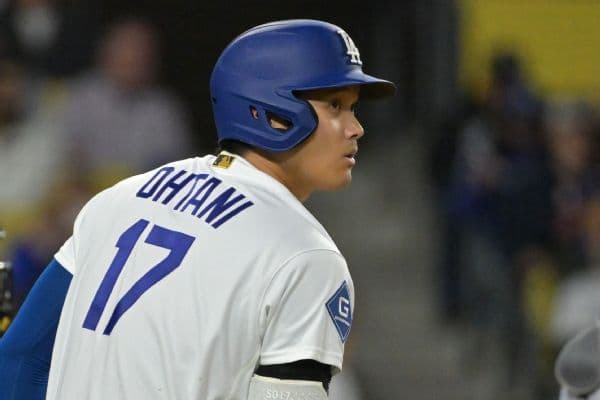
The Los Angeles Dodgers are in the midst of a historic season, but the management of their most prized asset, Shohei Ohtani, remains a delicate balancing act. During Tuesday night's game, a notable shift occurred that caught the attention of fans and analysts alike: Ohtani took the mound to start the game but was not included in the Shohei Ohtani lineup as a hitter. This decision, while surprising to some who are used to his two-way dominance, is part of a broader, more flexible strategy implemented by manager Dave Roberts to ensure the superstar remains healthy and productive throughout the entire campaign.
Dave Roberts Explains the "Read and React" Philosophy
Manager Dave Roberts was quick to address the omission after the game, providing insight into the team's evolving approach to Ohtani’s workload. Roberts emphasized that the primary goal is to ensure Ohtani makes every scheduled start on the mound, which is the cornerstone of the Dodgers' rotation strategy. "His goal is to make every start, and so with that, there has to be some compromise and some openness to kind of read and react," Roberts told reporters. This "read and react" strategy suggests that the Dodgers are moving away from a static, everyday role for Ohtani when he pitches, instead opting to monitor his physical state in real-time.
The "compromise" Roberts mentioned is a crucial component of this plan. In previous seasons, Ohtani has often insisted on hitting every day, even when he was the starting pitcher. However, the Dodgers’ medical and coaching staffs are prioritizing longevity over individual game statistics. By allowing Ohtani to focus solely on his pitching duties on certain days, the team believes they can reduce the overall strain on his body, particularly his arm and back, which are under immense pressure during a high-velocity pitching outing. This approach allows the team to pivot based on how Ohtani feels during his pre-game warmups and his recovery from previous appearances.
Protecting the Dodgers' Greatest Asset and the Shohei Ohtani Lineup
The decision to alter the Shohei Ohtani lineup on his pitching days is a testament to the Dodgers' commitment to their $700 million investment. Ohtani is not just a player; he is a generational talent and the cornerstone of the franchise's championship aspirations. Roberts noted that the physical toll of being a two-way player is unprecedented in the modern era, and the team must be proactive rather than reactive to signs of fatigue. By resting his bat on days he pitches, the Dodgers are effectively giving Ohtani a "half-day" of rest, despite him being active on the mound.
This strategy also takes into account the intensity of the National League West race. The Dodgers need Ohtani’s arm to be at its best during the stretch run and into the postseason. If skipping a few dozen at-bats over the course of the season ensures that Ohtani is available for every pitching turn, the front office views that as a winning trade-off. The openness to "read and react" means that if Ohtani feels 100% and the situation demands it, he could still hit while pitching in the future, but it will no longer be the default expectation for every start.
The Physical Demands of Two-Way Dominance
To understand why this change is necessary, one must look at the sheer volume of work Ohtani undertakes. A typical starting pitcher focuses almost exclusively on recovery and film study between starts. Ohtani, conversely, spends those intermediate days taking high-intensity batting practice and participating in games as a designated hitter. When he pitches, he is often throwing over 90 pitches, many of which exceed 98 miles per hour. Adding the stress of sprinting to first base or swinging with maximum effort four or five times a game creates a workload that is statistically an outlier in sports science.
Roberts explained that the team is looking at both the "micro" and "macro" levels of Ohtani’s health. On a micro level, they monitor his velocity, spin rates, and recovery time between innings. On a macro level, they look at his season-long fatigue markers and overall energy levels. If any of these indicators suggest a dip, the first adjustment is likely to be his presence in the batting order on pitching days. This allows the Dodgers to keep his elite arm in the rotation without risking a total physical breakdown before the playoffs begin.
Impact on Team Depth and Strategy
While the Shohei Ohtani lineup is certainly more formidable with him in it, the Dodgers are uniquely positioned to handle his occasional absence from the plate. With a roster featuring stars like Mookie Betts, Freddie Freeman, and Teoscar Hernandez, the Los Angeles offense remains one of the most potent in Major League Baseball. Roberts has the luxury of using the DH spot to give other players a break from the field, which can actually benefit the team's overall defensive health in the long run.
- Workload Management: Reducing the number of high-stress events Ohtani participates in per week to prevent chronic injury.
- Rotational Consistency: Ensuring the pitching staff has its ace available for every turn to maintain a stable bullpen.
- Offensive Flexibility: Allowing other hitters to cycle through the DH position to stay fresh during long road trips.
A Long-Term Vision for Success
Ultimately, the Dodgers’ management of Shohei Ohtani is about one thing: winning a World Series. Dave Roberts and the coaching staff are looking past the regular-season box scores and focusing on the month of October. The "compromise" of Tuesday night is a small detail in a much larger narrative of player preservation. As Ohtani continues to "read and react" to his own body’s signals, the Dodgers will continue to support him with a flexible, data-driven approach that prioritizes his availability when the stakes are highest.
Fans may miss seeing Ohtani hit home runs on the same nights he strikes out ten batters, but the long-term health of the superstar is the ultimate priority for the organization. As Roberts concluded, the goal is to keep Ohtani on the field and on the mound for the long haul, ensuring that the most talented player in baseball history can continue to perform at his peak during the Dodgers' quest for another title.
Sources & Original Reporting