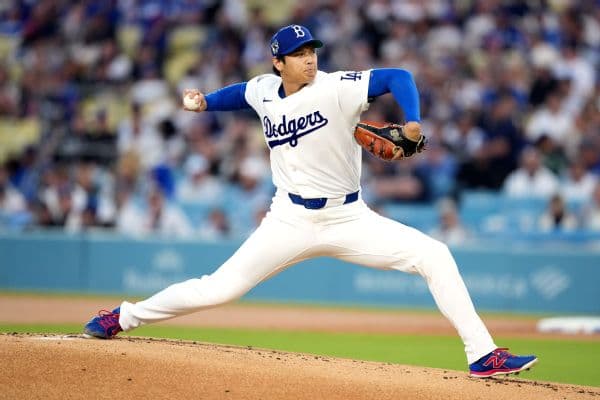
The Los Angeles Dodgers are navigating uncharted territory as they integrate the most unique talent in baseball history back into a two-way role. While fans were thrilled to see Shohei Ohtani return to the mound and the top of the lineup on Wednesday night, a significant strategic shift may be on the horizon. Dodgers manager Dave Roberts has confirmed that the team is open to the possibility of resting Ohtani from his designated hitter duties during Shohei Ohtani pitching starts to better manage his physical toll.
A Strategic Shift in Workload Management
Managing a player of Ohtani’s caliber requires a delicate balance between maximizing his impact and ensuring his long-term health. Following his return to the mound, the conversation in the Dodgers' dugout has shifted toward sustainability. While Ohtani has famously handled both pitching and hitting duties simultaneously for years, Roberts indicated that the team is prioritizing his recovery and efficiency over traditional ironman expectations.
During his tenure with the Los Angeles Angels, Ohtani eventually moved away from the "off-days" before and after pitching, becoming a permanent fixture in the lineup regardless of his status on the mound. However, the Dodgers, currently eyeing a deep postseason run and protecting a massive long-term investment, are looking at Shohei Ohtani pitching starts through a different lens. If the physical demand of pitching deep into games affects his offensive output or vice versa, the team is prepared to let him focus on one discipline for the day.
The Physical Toll of the Two-Way Role
The primary driver behind this potential change is the sheer physical exhaustion associated with elite-level pitching. Shohei Ohtani is coming off a major elbow procedure that kept him off the mound for the entirety of the previous season. While his offensive production remained historic during that time, the act of pitching requires a different level of explosive energy and recovery.
By keeping Ohtani out of the lineup during certain Shohei Ohtani pitching starts, the Dodgers hope to mitigate the risk of soft-tissue injuries and fatigue-related mechanical breakdowns. Roberts noted that while Ohtani was back in the lineup Wednesday, the team will remain flexible based on how the superstar feels on a start-by-start basis. This "wait and see" approach allows the training staff to monitor his metrics in real-time and make adjustments before fatigue turns into a setback.
Leveraging the Dodgers' Deep Roster
One reason the Dodgers can even consider resting a bat as potent as Ohtani’s is the incredible depth of their roster. Unlike previous situations where Ohtani was the sole engine of his team's offense, the Dodgers boast a lineup filled with All-Stars and MVP candidates like Mookie Betts and Freddie Freeman.
When Ohtani takes a seat on the bench during his pitching starts, the Dodgers have the luxury of rotating other high-level players into the DH spot or shifting their defensive alignment without a catastrophic drop in production. This depth provides a safety net that allows the organization to prioritize Ohtani’s arm when he is on the mound, ensuring he can give the team six or seven high-quality innings without the added stress of four or five high-leverage plate appearances.
Looking Ahead: The Postseason Factor
The ultimate goal for Dave Roberts and the Dodgers front office is to have Ohtani at 100% capacity when October arrives. The regular season is viewed as a marathon, and the management of Shohei Ohtani pitching starts is a key component of that marathon strategy. If resting him during his starts in May and June leads to a fresher, more dominant pitcher in the World Series, the team views that as a necessary trade-off.
Ohtani himself has always been a proponent of playing every day, but he has also expressed his commitment to the team's collective success. As the season progresses, the frequency of these rest days will likely depend on his performance on the mound and his recovery speed between starts. For now, the Dodgers are keeping all options on the table to protect their most valuable asset.
Sources & Original Reporting


