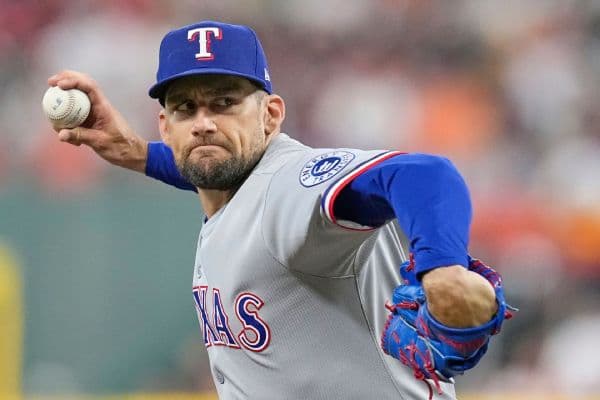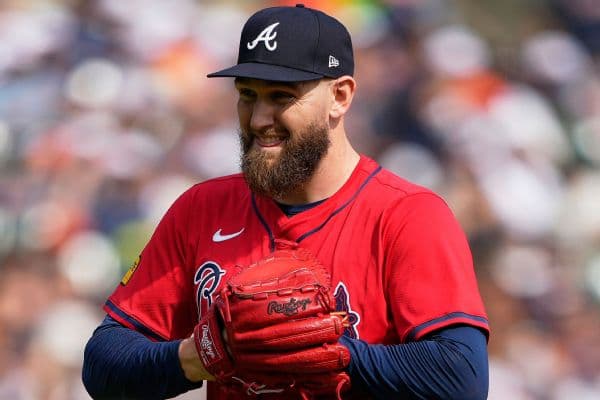
The business side of Major League Baseball took center stage on Friday as the Atlanta Braves and left-handed reliever Dylan Lee moved forward with their Dylan Lee salary arbitration hearing. In a sport where multi-million dollar contracts are the norm, the two sides find themselves separated by a relatively slim margin of $200,000, yet neither side was able to reach an agreement before the case landed in front of an arbitration panel.
The Financial Gap: $2.2 Million vs. $2 Million
During the hearing held on Friday, Lee’s representatives argued for a 2026 salary of $2.2 million. On the other side of the table, the Braves management countered with an offer of $2 million. While the difference might seem minor in the context of a Major League payroll, the outcome of this Dylan Lee salary arbitration case is significant for both the player’s career earnings trajectory and the team’s meticulous budget management.
In the MLB arbitration system, there is no middle ground. A panel of three independent arbitrators listens to arguments from both the player's agency and the team's front office. After evaluating the evidence—which typically includes player performance, service time, and comparable salaries across the league—the panel must choose one of the two figures submitted. They cannot suggest a compromise of $2.1 million; it is a winner-take-all scenario that often creates a tense atmosphere between a franchise and its talent.
Dylan Lee’s Role in the Atlanta Bullpen
Since joining the Atlanta Braves, Dylan Lee has established himself as a reliable high-leverage option for manager Brian Snitker. The left-hander has been a vital component of a bullpen that has consistently ranked among the best in the National League. His ability to neutralize left-handed hitters while remaining effective against righties has made him a versatile tool in the Braves' pitching arsenal.
Lee’s journey to this arbitration hearing is a testament to his value. For a pitcher who once worked his way through the minor league ranks to become a World Series contributor, the move toward a multi-million dollar salary represents a significant milestone. The Braves, however, are known for their disciplined approach to contract negotiations, often sticking to their internal valuations even when the gap is relatively small.
Understanding the MLB Arbitration Process
The Dylan Lee salary arbitration case is part of a larger cycle of hearings that take place every February. Players become eligible for arbitration after reaching a certain amount of service time (typically three years), allowing them to negotiate salaries that exceed the league minimum but fall short of true free-agency market rates.
The "File-and-Trial" Philosophy
The Braves are one of several MLB teams that often employ a "file-and-trial" strategy. This means that once the deadline for exchanging salary figures passes without a deal, the team stops negotiating and prepares to go to a hearing. This approach is designed to encourage players to sign before the exchange date, though it occasionally leads to hearings like the one Lee attended on Friday.
- Player Request: $2.2 Million
- Team Offer: $2.0 Million
- The Difference: $200,000
- The Deciding Factor: Recent performance and league-wide comparables.
Impact on the Braves' 2026 Roster
While $200,000 is a small fraction of the Braves' total luxury tax payroll, every dollar counts for a team looking to remain competitive in a crowded National League East. The Braves have several core players signed to long-term extensions, and managing the arbitration raises for their supporting cast is essential for maintaining roster depth.
For Lee, a victory in the hearing would not only result in a higher 2026 salary but would also raise the baseline for his future arbitration years. If he continues to perform at a high level, this $200,000 difference could compound into significantly higher earnings in the final years of team control. A decision from the three-person panel is expected shortly, which will officially set Lee's salary for the upcoming campaign and allow the focus to shift back to the diamond as Spring Training approaches.
Sources & Original Reporting