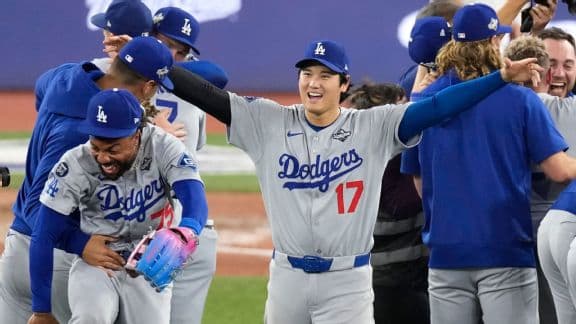
With the crack of the bat and the smell of fresh-cut grass just around the corner, baseball fans everywhere are gearing up for the 2026 season. But for many, the real competition happens off the field in the digital dugouts of online leagues. Whether you are a seasoned veteran or a complete novice looking to join your first league, mastering Fantasy Baseball 101 is the first step toward securing a championship trophy. Fantasy baseball is often considered the "marathon" of fantasy sports, requiring endurance, strategy, and a deep understanding of MLB statistics over a grueling 162-game schedule.
Choosing the Right League Format
Before you can start scouting players, you need to understand the environment you’ll be competing in. Fantasy baseball leagues generally fall into two primary scoring categories: Rotisserie (Roto) and Head-to-Head (H2H). Choosing the right one depends on how much time you can commit and what kind of competitive experience you prefer.
- Rotisserie: In a Roto league, teams are ranked from first to last in specific statistical categories (such as Home Runs, ERA, and Batting Average). Points are awarded based on your rank in each category, and the team with the most total points at the end of the season wins. This format rewards consistency and a well-balanced roster.
- Head-to-Head: This format mimics traditional sports schedules. You face off against a different opponent each week. You can play H2H Categories (winning the most categories that week earns you a win) or H2H Points (where stats are assigned point values, similar to fantasy football). This is often preferred by casual players for its weekly excitement and playoff structure.
Mastering the Fantasy Baseball 101 Draft
The draft is the most critical day of the fantasy season. There are two main ways to build your team: the Snake Draft and the Salary Cap Draft. In a snake draft, the order reverses each round to ensure fairness. In a salary cap draft, every player is up for bid, and managers must manage a virtual budget to fill their roster, allowing everyone a fair shot at top-tier stars like Shohei Ohtani or Aaron Judge.
To succeed in your 2026 draft, preparation is essential. You should arrive with a clear ranking of players, but remain flexible as the draft unfolds. If the league starts a "run" on starting pitchers early, you might find incredible value in elite outfielders. Understanding positional scarcity—the idea that some positions (like catcher or shortstop) have fewer high-quality options than others—is a cornerstone of any successful draft strategy. Don't be afraid to reach for a top-tier talent at a thin position early in the draft.
Managing Your Roster: Navigating the Long Season
Drafting a great team is only half the battle. Because the MLB season is so long, active management is what separates the winners from the losers. This involves three main components: the waiver wire, trades, and daily lineup adjustments. Unlike fantasy football, where you might only check your team once or twice a week, fantasy baseball requires daily attention to maximize your stats.
The waiver wire is where you find "free agent" players who weren't drafted. This is crucial for replacing injured stars or catching a hot prospect who just got called up from the minor leagues. Successful managers check the wire daily to find incremental improvements for their squad. Additionally, trading is a vital tool. If your team is leading the league in home runs but struggling with saves, finding a trade partner who needs power and has an extra closer can be a win-win scenario. Always look for "buy low" opportunities—players who are underperforming their career averages but are likely to bounce back over time.
Key Statistics to Track in 2026
Standard "5x5" leagues typically track five hitting stats and five pitching stats. For hitters, these are usually Batting Average (AVG), Home Runs (HR), Runs Batted In (RBI), Runs Scored (R), and Stolen Bases (SB). For pitchers, the standard categories are Wins (W), Strikeouts (K), Earned Run Average (ERA), Walks plus Hits per Innings Pitched (WHIP), and Saves (SV).
However, modern leagues are increasingly adopting "advanced" stats to better reflect player value. You might see On-Base Percentage (OBP) replace Batting Average, or Quality Starts (QS) replace Wins. Make sure you know your league’s specific scoring settings before the draft begins, as they will drastically change how you value certain players. For example, a high-strikeout pitcher with a high ERA is more valuable in a points league than in a Roto league where they might hurt your team's overall ERA standing.
Conclusion: The Path to a Championship
The secret to winning at fantasy baseball isn't just knowing the most about the sport; it’s about consistency and adaptability. Checking your lineup daily, monitoring the injury report, and staying active in the trade market are the hallmarks of a champion. As we head into the 2026 MLB season, use this Fantasy Baseball 101 foundation to build a powerhouse team. Remember, the season is a marathon, not a sprint—stay engaged, keep an eye on the waiver wire, and enjoy the ride through October.
Sources & Original Reporting