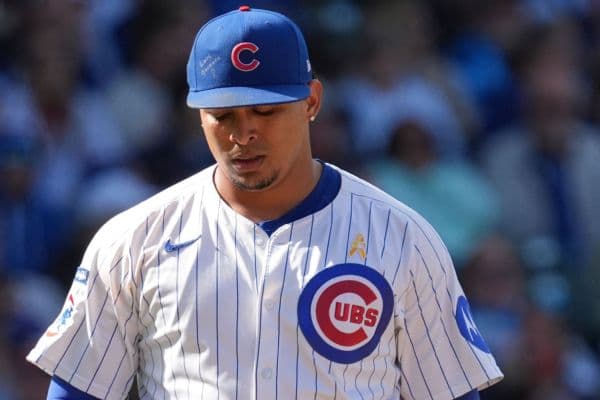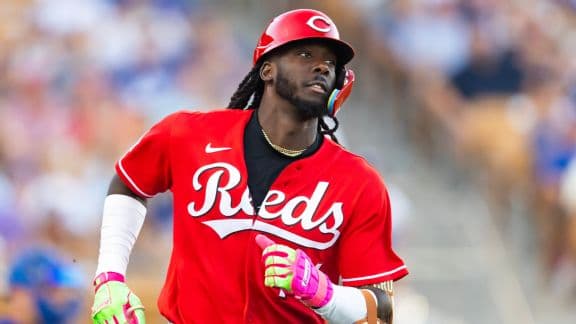
The foundation of a championship-winning season is often laid within the first twenty minutes of your draft. As managers prepare for the upcoming season, the fantasy baseball draft strategy 2026 landscape has become increasingly defined by how you navigate the first two rounds. In a 10-team format, the talent density is high, making the margin for error razor-thin. To help managers find the optimal start, ESPN fantasy experts Tristan H. Cockcroft and Eric Karabell have broken down the ideal outcomes for every single draft position.
The Importance of the Fantasy Baseball Draft Strategy 2026
In a 10-team league, every roster is going to look like an All-Star team. The key to a successful fantasy baseball draft strategy 2026 is not just about drafting the best available player, but ensuring your first two picks provide a balanced statistical floor. Cockcroft and Karabell emphasize that while the first round provides your anchor, the second round is where you define your team's identity, whether you are chasing elite speed, high-volume strikeouts, or a balanced power-average profile.
Because the talent is so condensed in smaller leagues, missing on a top-20 pick can be devastating. The goal is to exit the first two rounds with two players who are virtually guaranteed to provide elite production, rather than gambling on high-upside players with significant injury histories or playing time concerns. The experts suggest that the "perfect" draft start is one that leaves you flexible for the middle rounds.
Breaking Down the Strategy by Draft Slot
Your specific draft position dictates your level of aggression and the specific player archetypes you should target. Cockcroft and Karabell have identified three distinct zones in a 10-team snake draft, each requiring a unique tactical approach to maximize value.
Early Positions: Capitalizing on the Elite Tier (Picks 1-3)
For those lucky enough to land a top-three selection, the strategy is straightforward but vital. At the number one spot, the goal is to pair a generational talent with a reliable second-round anchor. According to the experts, the "perfect" start from the top spot involves securing a five-category contributor who can provide 30+ home runs and significant stolen base upside, then following up at the 20th overall pick with a high-end starting pitcher or a premier infielder to stabilize the batting average.
- Pick 1: The consensus top-tier superstar (e.g., Ronald Acuña Jr. or Bobby Witt Jr. types).
- The Turn (Pick 20): A focus on stabilizing a secondary category like ERA/WHIP or elite RBI production.
Positions two and three follow a similar logic, though the second-round choice becomes more about reacting to the run on pitching. If the top-tier arms are flying off the board, Karabell suggests pivoting to a high-floor outfielder to ensure your hitting core remains elite. The objective is to pair your superstar with a player who has a high probability of finishing as a top-15 talent.
The Middle Ground: Balancing Value and Need (Picks 4-7)
The middle of the draft is often considered the most difficult place to build a fantasy baseball draft strategy 2026 because you are frequently at the mercy of the managers at the ends of the snake. Cockcroft notes that picks 4 through 7 are ideal for managers who want to see how the board develops before committing to a specific statistical category.
The ideal outcome here involves taking the best available hitter in the first round—likely a powerhouse corner infielder or a versatile outfielder—and then looking for a "workhorse" pitcher in the second round. The experts suggest that in a 10-team league, securing one of the top five starting pitchers by the end of the second round is a winning move for those drafting in the middle slots. This ensures you aren't left chasing wins and strikeouts when the elite pitching tier evaporates in the third and fourth rounds.
The Turn: Dominating the 8-10 Spots
Drafting at the back end of the first round offers a unique advantage: the ability to execute a "double-tap" strategy. When drafting at the 10th spot, you have the 10th and 11th picks back-to-back, allowing you to corner a specific market or grab two elite players who would normally be top-8 talents.
Karabell and Cockcroft highlight that the perfect start from the 10th position often involves taking one elite pitcher and one elite hitter. This balanced approach prevents you from being forced to "reach" for a specific category during the long wait between your second and third-round picks. By securing a legitimate ace and a 30-homer threat at the turn, you create a flexible roster that can adapt to any trend that emerges in the middle rounds. Managers at the turn should look to exploit the preferences of those drafting in the early slots.
Expert Takeaways for a Perfect Draft
Regardless of where you sit in the draft order, the experts agree on a few universal truths for the 2026 season. These principles should guide your decision-making beyond just the first two rounds to ensure a cohesive roster construction.
Prioritizing the Statistical Floor
In 10-team leagues, don't take massive risks in the first two rounds. Reliability is king. With so much talent available, there is no reason to draft a player with significant question marks regarding their health or role. Cockcroft and Karabell emphasize that your first two picks should be "set it and forget it" players who provide a steady stream of stats without requiring constant roster management.
Navigating Pitching Volatility and Scarcity
While "waiting on pitching" is a common mantra, the 2026 landscape rewards those who grab at least one elite starter in the first 25 picks. The gap between the top-tier aces and the mid-rotation arms has widened, making it more difficult to find consistent ERA and WHIP help in the later rounds. Additionally, keep an eye on the drop-off at second base and shortstop. If a premier option at a thin position is available at the 2/3 turn, the experts recommend taking it to gain a positional advantage over your league mates.
By following the blueprints laid out by Cockcroft and Karabell, fantasy managers can enter their drafts with the confidence that their first two picks will provide the necessary leverage to dominate their league from start to finish. Success in 2026 isn't just about who you draft, but where and how you pair your elite talents.
Sources & Original Reporting