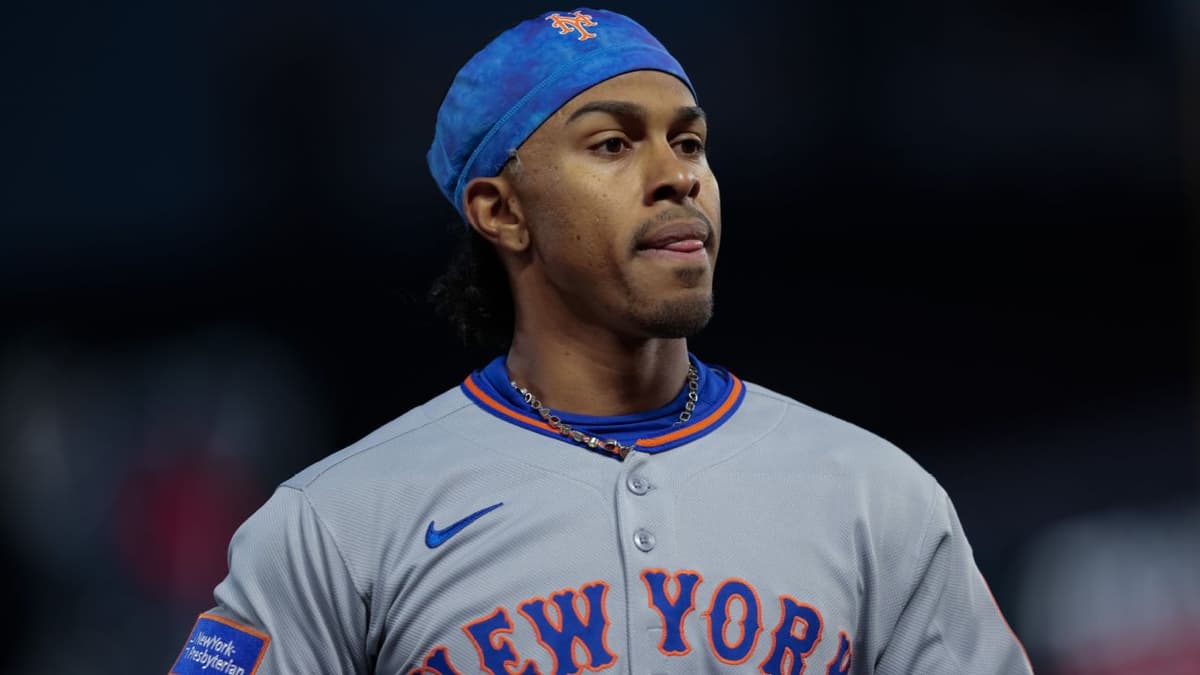
The New York Mets’ preparations for the 2026 season have hit an unexpected snag. Manager Carlos Mendoza confirmed that superstar shortstop Francisco Lindor has opted to undergo Francisco Lindor’s hamate bone surgery to address a persistent stress reaction in his left hand. The decision follows a period of discomfort that failed to resolve with conservative treatment, prompting the club and player to prioritize a definitive surgical solution before the regular season gets into full swing.
Understanding the Procedure and Recovery Timeline
A stress reaction in the hamate bone—a small, hook-shaped bone located on the pinky side of the wrist—is a common yet frustrating injury for professional hitters. The vibration and pressure from the knob of the bat during a swing frequently lead to these types of orthopedic issues. While a stress reaction is not a full fracture, it often serves as a precursor to one, making the decision for surgery on his hamate bone a proactive measure to ensure long-term stability.
Historically, the recovery for a hamate procedure involves a period of rest followed by a progressive strengthening program. Most MLB players are able to return to competitive action within six to eight weeks, though regaining full "home run power" can sometimes take a bit longer as the grip strength returns to 100 percent. For the Mets, the timing is critical as they aim to have their captain back in the lineup for the heart of the summer stretch. By opting for the hamate procedure now, Lindor and the medical staff are looking to minimize the time he misses during the regular season.
The Impact on the 2026 Mets Roster
While losing a player of Lindor’s stature is never ideal, the 2026 New York Mets are better positioned to handle such a void than in previous years. Following the departure of Pete Alonso in free agency after the 2025 season, the front office was aggressive in reshaping the team's core. The addition of superstars like Juan Soto and Marcus Semien has provided the Mets with a deep, high-octane roster that can withstand the temporary loss of a key contributor.
The presence of Soto in the heart of the order and Semien’s veteran leadership in the middle infield ensures that the Mets remain a formidable offensive force. This revamped lineup was designed to be resilient, and the early-season test provided by Francisco Lindor’s hamate bone surgery will serve as the first real evaluation of that depth. The ability to surround the remaining stars with elite talent is a testament to the club's commitment to winning in 2026.
Bo Bichette’s Positional Shift
The most immediate tactical change resulting from Lindor's surgery involves Bo Bichette. Coming into the 2026 season, Bichette was the projected starting third baseman, a move intended to maximize the team's defensive range across the infield. However, with Lindor sidelined, Bichette will move back to his natural position of shortstop to anchor the middle of the diamond.
Bichette, a focal point of the Mets' current infield configuration, brings veteran experience and an All-Star pedigree to the position. While the team had hoped to see him stabilize the hot corner, his familiarity with shortstop provides a seamless transition during Lindor's rehabilitation. The ability to shift a player of Bichette's caliber back to his original position highlights the roster construction strategies employed by the front office to mitigate the impact of injuries to key stars.
Carlos Mendoza’s Third Season at the Helm
This situation serves as an early test for Carlos Mendoza, who is now entering his third season as the manager of the Mets. After being hired in late 2023 and navigating the 2024 and 2025 seasons with significant success, Mendoza has earned a reputation for steady leadership in the face of adversity. His management of the lineup during Lindor’s absence will be crucial in maintaining the team's position in a competitive NL East.
Mendoza noted that while the team will miss Lindor’s daily presence on the field, the focus remains on the "next man up" philosophy. The Mets have built a culture of resilience over the last two seasons, and with a powerhouse roster featuring Soto, Semien, and Bichette, the clubhouse remains optimistic about their early-season prospects despite the news regarding the hamate procedure.
Key Takeaways for the Mets
- Strategic Timing: Performing the surgery now aims to have Lindor healthy for the most critical months of the 2026 season.
- Internal Solutions: Bo Bichette moves from third base back to his natural shortstop position to cover Lindor’s absence.
- Deep Roster: The 2026 acquisitions of Juan Soto and Marcus Semien provide the offensive insurance needed to weather this injury.
- Managerial Stability: Carlos Mendoza’s experience entering his third year provides a steady hand for the clubhouse.
The Mets will likely provide further updates on Lindor’s specific rehabilitation milestones in the coming weeks. For now, the focus shifts to the training staff and the depth of the 2026 roster as they prepare for the challenges ahead.
Sources & Original Reporting