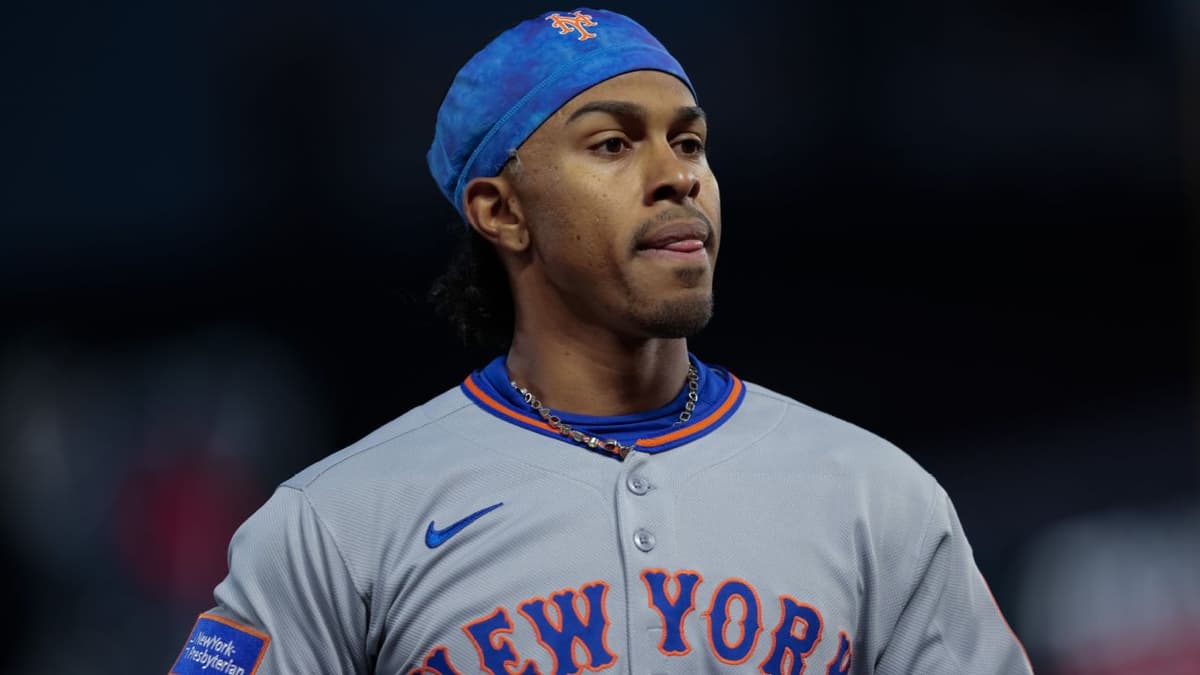
For decades, the concept of the team captain has been a revered tradition in Major League Baseball, particularly for a franchise like the New York Mets that has seen legendary figures like Keith Hernandez and David Wright wear the metaphorical 'C.' However, the era of formal captaincy in Queens appears to be over. Owner Steve Cohen recently made headlines by declaring that there will never be another Mets team captain under his ownership, and the team's most prominent leader, Francisco Lindor, is fully on board with the decision.
The End of the Mets Team Captain Tradition
The role of a captain in baseball is often more symbolic than functional, yet it carries immense weight in the eyes of fans and the media. The Mets have only had four official captains in their history: Keith Hernandez, Gary Carter, John Franco, and David Wright. Since Wright retired following the 2018 season, the position has remained vacant, leading to constant speculation among the Flushing faithful about who might be next in line to lead the squad.
Steve Cohen, known for his modern approach to team management and his willingness to break from traditional norms, has officially closed that door. Cohen's stance is rooted in the belief that leadership should be a collective responsibility rather than a title bestowed upon a single individual. By removing the formal title, Cohen aims to foster a clubhouse environment where every veteran and rising star feels empowered to speak up and lead by example without the hierarchy of a designated captain.
Francisco Lindor Embraces the No-Captain Policy
As the longest-tenured player currently on the roster, Francisco Lindor was the most natural candidate for the role if Cohen had chosen to continue the tradition. However, Lindor expressed a deep respect for the owner's decision, noting that the absence of a formal Mets team captain does not diminish the quality of leadership within the clubhouse. Lindor, who has become the face of the franchise since his arrival in 2021, believes that respect is earned through daily actions rather than a patch on a jersey.
Lindor’s perspective is telling of the current culture within the Mets organization. "I respect it. I like it," Lindor said regarding Cohen's stance. The shortstop emphasized that the team's focus should remain on winning and supporting one another, rather than worrying about internal hierarchy. For Lindor, the goal is to create a cohesive unit where everyone holds each other accountable, a philosophy that aligns perfectly with Cohen’s vision for a championship-caliber organization that prioritizes results over optics.
Leadership by Committee in the Modern MLB
The shift away from a single captain reflects a broader trend across professional sports. While some leagues maintain strict captaincy protocols, MLB teams have increasingly moved toward a "leadership by committee" approach. This is particularly evident in the 2026 Mets clubhouse. Following the departures of former mainstays Pete Alonso and Brandon Nimmo, the leadership dynamic has evolved into a shared responsibility among the remaining veterans.
In the current clubhouse, players like Marcus Semien and Jorge Polanco have emerged as vital veteran voices serving alongside Lindor. By not naming one person as the definitive captain, the Mets are encouraging a diverse range of voices to contribute to the team's direction. This approach also alleviates the immense pressure that often accompanies the captaincy in a high-intensity market like New York. Being the captain means being the primary spokesperson for the team during both winning streaks and slumps; by distributing that responsibility, the Mets allow their stars to focus on their performance while still maintaining a strong, unified presence.
Why Steve Cohen’s Vision Matters
Steve Cohen’s refusal to name a captain is more than just a personnel decision; it is a statement about the kind of organization he wants to build. Since taking over the team, Cohen has prioritized data-driven decision-making, state-of-the-art facilities, and a culture of excellence. He views the traditional captaincy as an outdated concept that doesn't necessarily translate to success on the field in the 21st century.
For fans who grew up watching David Wright lead the team, the lack of a captain may feel like a loss of tradition. However, if the results on the field continue to trend upward, the "no-captain" policy will likely be viewed as a masterstroke in modern management. With Francisco Lindor leading the charge—title or no title—the Mets are signaling that they are more concerned with the name on the front of the jersey than the imaginary 'C' on the chest.
The Future of Leadership in Queens
As the Mets move forward into a new era, the focus remains squarely on building a sustainable winner. Lindor’s endorsement of Cohen’s policy provides a level of stability and buy-in that is crucial for any clubhouse. While there may never be another official Mets team captain, the leadership within the organization has never been more apparent. As long as Lindor and his veteran teammates like Semien and Polanco continue to prioritize collective success over individual accolades, the Mets are well-positioned to compete at the highest level for years to come.
Sources & Original Reporting