In a move that has sent shockwaves through the South Side of Chicago, Hall of Famer Frank Thomas has officially filed a civil lawsuit against the Chicago White Sox, Nike, and Fanatics. The legal action, centered on the alleged unauthorized use of his likeness, marks a significant conflict between the greatest hitter in franchise history and the organization where he spent the vast majority of his legendary career.
Allegations of Unauthorized Likeness Use
The Frank Thomas lawsuit against the White Sox alleges that the team, along with apparel giants Nike and Fanatics, utilized Thomas’s name, number, and likeness without his permission during the promotion and sale of the team's "City Connect 2.0" uniform collection last season. According to the filing, Thomas claims that his identity was leveraged to drive commercial interest and merchandise sales for the new line of apparel without a valid licensing agreement in place.
The core of the dispute rests on the "Right of Publicity," a legal doctrine that prevents the commercial use of an individual's name or image without their expressed consent. Thomas, known affectionately as "The Big Hurt," remains one of the most marketable figures in Chicago sports history, and his legal team argues that the defendants profited from his brand equity while bypassing the necessary compensation and authorization protocols.
The Role of Nike and Fanatics in the Suit
While the White Sox are the primary entity associated with the player, the inclusion of Nike and Fanatics as defendants highlights the complex nature of modern sports merchandising. As the official uniform provider and the primary retail distributor for Major League Baseball, both companies were instrumental in the production and sale of the City Connect 2.0 gear.
The lawsuit suggests a multi-layered failure in the licensing process, alleging that:
- Nike incorporated elements identifying Thomas into the design and marketing materials for the collection.
- Fanatics facilitated the mass retail distribution of products that Thomas claims infringed upon his intellectual property.
- The White Sox authorized or encouraged the use of Thomas’s legacy to bolster the launch of the specific jersey line.
The Business of MLB City Connect Uniforms
The MLB City Connect program, launched by Nike in 2021, has become a massive revenue stream for the league and its individual clubs. These uniforms are designed to celebrate the culture and history of each team's home city, often featuring unique color schemes and logos that differ significantly from traditional home and away kits. For the White Sox, the "City Connect" brand has been particularly successful, with the original "South Side" Gothic-script jerseys becoming some of the best-selling items in the league.
The second iteration of the program, referred to as City Connect 2.0, was intended to build on that momentum. By involving franchise icons like Frank Thomas in the promotional rollout, teams can bridge the gap between older generations of fans and new consumers. However, Thomas’s filing suggests that this bridge was built without his legal consent, turning a marketing strategy into a legal liability.
A Rift Between "The Big Hurt" and the South Side
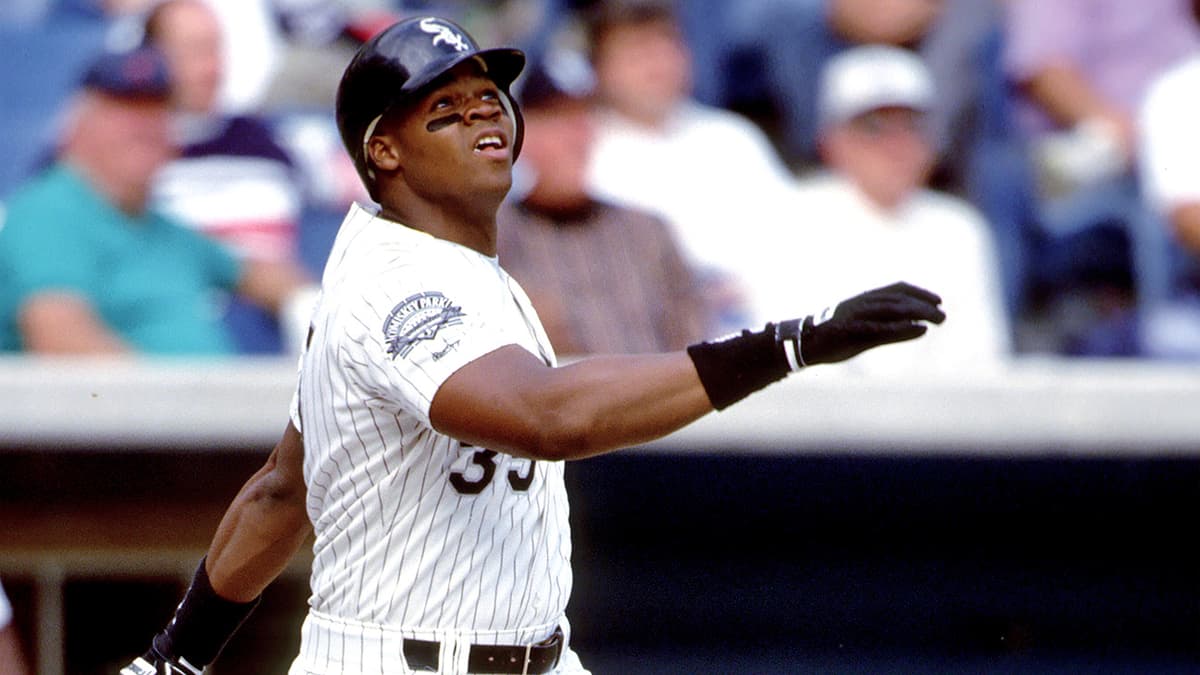
Frank Thomas is more than just a former player for the White Sox; he is a cornerstone of the franchise's identity. During his 16 seasons in Chicago (1990–2005), Thomas secured two American League MVP awards, four Silver Sluggers, and five All-Star selections. He retired as the franchise leader in home runs, doubles, and RBIs, and his No. 35 was retired by the club in 2010. A statue of his likeness currently stands at Guaranteed Rate Field.
This lawsuit represents a rare and public fracture in what has historically been a respectful relationship between the player and the front office. While retired stars often serve as ambassadors for their former teams, this legal action underscores the importance of protecting individual branding rights in an era where vintage and legacy merchandise sales are at an all-time high.
Legal Implications and Next Steps
The civil suit seeks unspecified damages and a permanent injunction against the further unauthorized use of Thomas’s likeness. For the Chicago White Sox, Nike, and Fanatics, the case could set a precedent regarding how retired players' identities are managed within league-wide marketing campaigns. If the case proceeds to trial, it may force a closer look at the standard licensing agreements between MLB and its former players.
As of now, the defendants have not released a comprehensive public statement regarding the specifics of the litigation. The sports world will be watching closely to see if a settlement is reached or if "The Big Hurt" will take his case all the way to a courtroom victory.
Sources & Original Reporting