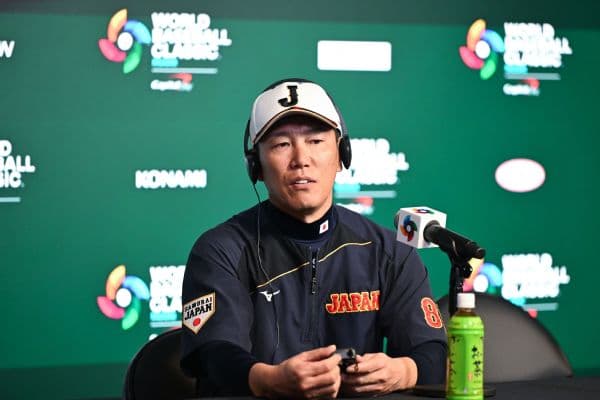
In a move that has sent shockwaves through the international baseball community, Japan manager Hirokazu Ibata steps down from his position following the national team's unexpected exit from the World Baseball Classic. The announcement came shortly after Japan suffered a grueling 8-5 loss to Venezuela in the quarterfinal round held in Miami, Florida. The defeat marks a premature end for a squad that many considered the favorite to repeat as champions, especially given a roster bolstered by some of the biggest names in Major League Baseball.
The Heartbreak in Miami: Japan vs. Venezuela
The quarterfinal matchup between Japan and Venezuela was one of the most anticipated games of the tournament, but it ended in disappointment for the Samurai Japan faithful. Playing at loanDepot park in Miami, the Japanese squad struggled to contain a potent Venezuelan offense that eventually secured an 8-5 victory. Despite the high-stakes environment and the presence of elite talent on the field, Japan was unable to mount a late-inning comeback, leading to their earliest exit in recent tournament history.
For Japan, a nation that prides itself on tactical precision and dominant pitching, the five runs allowed were a testament to the strength of the Venezuelan lineup. The loss effectively ended Japan's hopes of defending their 2023 title and set the stage for a major leadership transition within the organization. Hirokazu Ibata, who has been at the helm of the national team, wasted little time in addressing his future following the final out of the contest.
Hirokazu Ibata Steps Down as National Team Manager
Following the conclusion of the game, Hirokazu Ibata confirmed his intention to resign as the manager of the Japanese national team. Taking full responsibility for the quarterfinal exit, Ibata expressed that the team's performance did not meet the high standards expected of Samurai Japan. His tenure, while marked by the successful integration of young talent and veteran leadership, will ultimately be remembered for this challenging finish in the World Baseball Classic.
Ibata’s decision to step down highlights the immense pressure associated with managing the Japanese national team. In Japan, baseball is more than just a sport; it is a point of national pride. The expectations for the WBC are nothing short of a championship, and falling in the quarterfinals is viewed as a significant underachievement for a program of this caliber. Ibata noted that a new direction was necessary for the team as they look toward future international competitions, including the next Olympic cycle and the following WBC.
Star-Studded Roster Falls Short
The disappointment of the exit is compounded by the fact that Japan featured a roster of unprecedented depth. Leading the way were Los Angeles Dodgers superstars Shohei Ohtani and Yoshinobu Yamamoto. The presence of these two generational talents was expected to provide Japan with an insurmountable advantage. Throughout the tournament, the spotlight remained firmly on the Dodgers duo, whose every move was analyzed by fans across both Japan and the United States.
- Shohei Ohtani: Remained a focal point of the offense and a symbol of the team's global reach.
- Yoshinobu Yamamoto: Anchored a pitching staff that, until the quarterfinal, had shown flashes of dominance.
- Team Chemistry: Despite the individual brilliance of the MLB stars, the collective effort fell short against a disciplined Venezuelan squad.
The failure to advance despite having the world’s most recognizable baseball icons has led to a period of reflection for the Japanese baseball federation. While Shohei Ohtani and Yoshinobu Yamamoto performed at high levels, the single-elimination format of the WBC quarterfinals proved to be an unforgiving environment where one difficult game can erase weeks of preparation.
What Lies Ahead for Samurai Japan?
With Hirokazu Ibata stepping down, the search for a new manager will begin immediately. The Japanese National Team program will look to identify a leader who can navigate the complexities of managing both domestic NPB stars and high-profile MLB players. The goal remains the same: to return to the pinnacle of international baseball and restore the dominance that Japan has historically enjoyed.
The loss to Venezuela and the subsequent managerial vacancy mark the end of a specific era for the team. As the players return to their respective club teams—including the heavy contingent of stars heading back to the Major Leagues—the focus for the national federation will shift to rebuilding the coaching staff. The legacy of this tournament will serve as a motivator for the next iteration of Samurai Japan as they prepare for the 2026 World Baseball Classic and beyond.
Sources & Original Reporting


