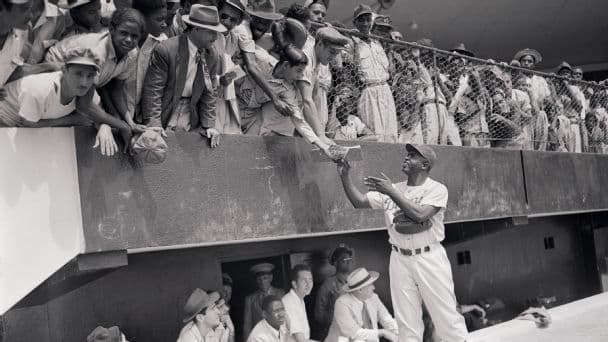
Every year on April 15, Major League Baseball pauses to reflect on a moment that transcended the diamond and altered the course of American history. As we celebrate Jackie Robinson Day 2026, the weight of Robinson’s contribution to the game remains as significant as ever. When Robinson stepped onto Ebbets Field in 1947, he didn’t just break a color barrier; he dismantled a century of exclusion and set a new standard for courage in professional sports.
The Significance of Jackie Robinson Day 2026
Today, across every stadium in the country, every player, manager, and umpire is wearing the iconic number 42. This tradition, which began in 2004 and became a league-wide requirement on this day in 2009, serves as a visual reminder of the man who paved the way for the diverse, global talent pool that defines modern baseball. Jackie Robinson Day 2026 is not merely a nostalgia trip; it is a vital recognition of the ongoing work required to ensure the game remains inclusive and accessible to all.
Robinson’s legacy is often viewed through the lens of his statistics—a .313 career batting average, an MVP award, and a World Series title—but his true impact lies in his resilience. Facing systemic racism, death threats, and isolation from teammates, Robinson maintained a level of poise that allowed his talent to speak louder than the vitriol directed toward him. By doing so, he opened the doors for generations of athletes of color to follow in his footsteps.
From the Negro Leagues to the Brooklyn Dodgers
To understand the depth of Robinson’s impact, one must look back at his roots in the Negro Leagues. Before joining the Brooklyn Dodgers, Robinson was a standout for the Kansas City Monarchs. The Negro Leagues were not just a secondary option; they were a powerhouse of talent and innovation, home to some of the greatest players the game has ever seen who were denied the opportunity to play in the Major Leagues solely because of the color of their skin.
When Dodgers General Manager Branch Rickey sought a player to integrate the league, he wasn’t just looking for the best athlete; he was looking for a man with the internal fortitude to endure the inevitable backlash without retaliating. Robinson’s transition from the Monarchs to the Dodgers' minor league affiliate in Montreal, and finally to Brooklyn, marked the beginning of the end for the segregated era of baseball. His success ultimately led to the integration of all MLB teams, though the process was slow and fraught with challenges.
A Lasting Impact on the Game and Society
The legacy of Jackie Robinson extends far beyond the baseline. He was a pioneer of the Civil Rights Movement, using his platform to advocate for social justice and economic equality long after his playing days ended. In 2026, MLB continues to honor this aspect of his life through various community initiatives and the Jackie Robinson Foundation, which provides scholarships and leadership development for minority youth.
The integration of baseball served as a catalyst for the broader integration of American society. By proving that Black and white players could compete together and excel on the national stage, Robinson challenged the foundations of Jim Crow-era prejudices. His presence on the field forced fans to confront their own biases and helped shift the cultural landscape of the United States.
How MLB Honors the Legacy Today
In addition to the retirement of his number across the entire league—the only player to receive such an honor—MLB has dedicated Jackie Robinson Day 2026 to highlighting the connection between the historical Negro Leagues and the current state of the game. Efforts to incorporate Negro League statistics into the official MLB record books have further solidified the importance of acknowledging the full history of the sport.
- Uniform Tributes: All personnel wear the number 42 with no names on the back, symbolizing unity and the shared debt the game owes to Robinson.
- Community Outreach: Teams host youth clinics and educational seminars to teach younger generations about the hardships Robinson faced.
- Negro League Recognition: Special ceremonies honor the surviving players of the Negro Leagues and their families.
As we look at the rosters of 2026, filled with stars from across the globe, it is impossible to ignore that this reality was made possible by one man’s refusal to accept the status quo. Jackie Robinson remains baseball’s greatest change agent, a figure whose courage continues to inspire every time a young player picks up a glove.
Sources & Original Reporting