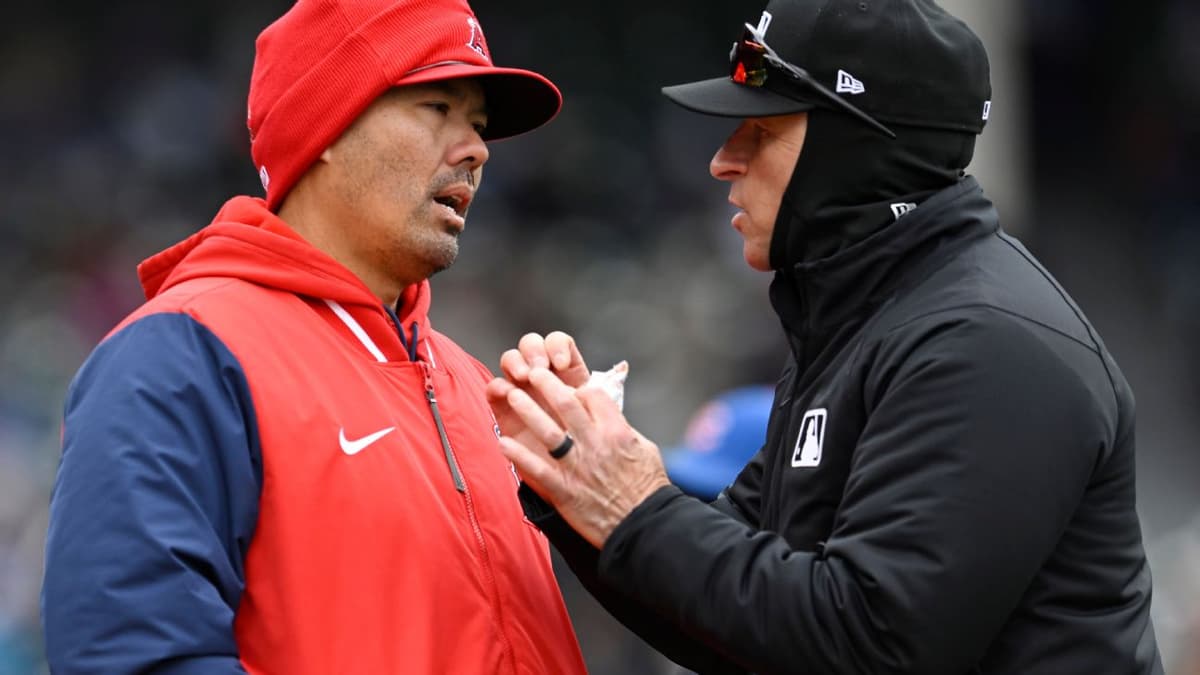
In the high-stakes environment of Major League Baseball, every second counts—not just for the players on the field, but for the managers in the dugout. During a recent matchup against the Chicago Cubs, Los Angeles Angels manager Kurt Suzuki learned this lesson the hard way. In a pivotal moment that could have shifted the momentum of the game, a potential Kurt Suzuki Angels challenge was denied by the umpiring crew because the first-year skipper exceeded the allotted time to request a review.
The incident serves as a stark reminder of the rigid procedural requirements that govern modern baseball. Since the implementation of various pace-of-play initiatives, the window for a manager to decide whether to challenge a call has shrunk significantly. For Suzuki, who is navigating his inaugural season at the helm of the Halos, the procedural hiccup highlights the steep learning curve associated with transitioning from a veteran player to a major league manager.
The 15-Second Rule: A Costly Lesson for Kurt Suzuki
According to MLB’s official replay regulations, a manager has exactly 15 seconds to decide whether to challenge a play. This clock begins the moment the initial call is made on the field. During the game against the Cubs, the Angels’ dugout appeared to be in communication with their video replay room—a standard practice for all 30 teams—but the signal to the home plate umpire came just moments too late.
The crew chief ruled that the time limit had expired, effectively locking in the call on the field and preventing the Angels from potentially overturning a play that they believed was incorrect. In the modern era, where games are often decided by a single baserunner or a bang-bang play at the plate, losing the ability to challenge due to a timing error can be a frustrating setback for any club.
For the Kurt Suzuki Angels challenge to be valid, the manager must hold up a hand to alert the umpires that they are considering a challenge, then provide a definitive "yes" or "no" before the 15-second timer concludes. In this instance, the delay in communication or decision-making resulted in the umpires moving forward with the game, leaving the Angels without recourse for the play in question.
The Mechanics of a Modern MLB Replay Challenge
To understand why this error occurred, one must look at the complex coordination required for a successful challenge. When a controversial play happens, the following sequence must occur within seconds:
- The manager looks to the bench coach or a designated staff member.
- The staff member is on a direct headset with the team’s video replay coordinator, who is monitoring multiple camera angles in real-time.
- The coordinator must quickly relay whether there is "clear and convincing evidence" to overturn the call.
- The manager must then signal the umpire before the 15-second clock expires.
This process is designed to prevent long delays and keep the game moving, but it places immense pressure on first-year managers like Suzuki. While veteran managers have grown accustomed to this rhythm over the last decade of expanded replay, those new to the role must develop a sixth sense for the timing required to beat the clock.
A Rookie Manager’s Learning Curve
Kurt Suzuki is no stranger to the nuances of baseball, having spent 16 seasons as a standout catcher in the Major Leagues. Known for his high baseball IQ and leadership behind the plate, Suzuki was a natural choice for a managerial role. However, managing the game from the dugout involves administrative responsibilities that are vastly different from the physical demands of catching.
The denial of the Kurt Suzuki Angels challenge is a growing pain that many rookie managers face. Navigating the communication bridge between the video room and the field is a skill that requires practice. In the heat of a game against a competitive opponent like the Chicago Cubs, the margin for error is razor-thin. This incident will likely serve as a foundational experience for Suzuki as he continues to refine his late-game management and procedural efficiency.
Looking Ahead for the Los Angeles Angels
As the Angels continue their season, the focus remains on consistency and execution. While the denied challenge against the Cubs was a missed opportunity, it provides a clear takeaway for the coaching staff regarding the urgency of the replay process. In a league where the "Pace of Play" is a primary focus for Commissioner Rob Manfred, the umpires have shown little leniency for managers who hesitate.
The Angels will look to bounce back from this procedural error, ensuring that their communication lines are tightened for future close calls. For Kurt Suzuki, every game is an opportunity to gain the experience necessary to lead the Angels back to postseason contention. As he settles into his role, avoiding these types of timing violations will be crucial in maximizing the team's chances of success on the field.
Sources & Original Reporting