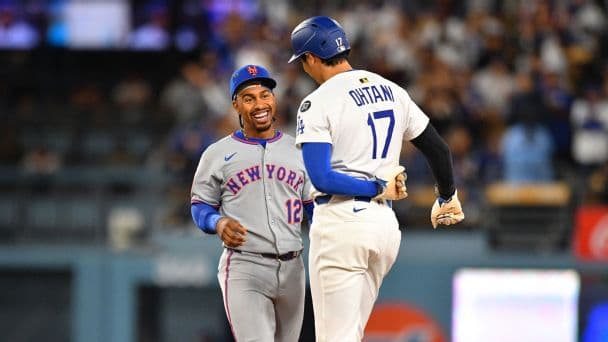
When the New York Mets and Los Angeles Dodgers take the field this week, the spectacle will extend far beyond the diamond. This isn't just a high-stakes matchup between two National League powerhouses; it is a collision of the two most expensive rosters ever assembled in the history of professional sports. As the 2026 season unfolds, the series represents a never-seen-before level of financial commitment, showcasing MLB's biggest payrolls in a single series that could redefine the league's economic landscape for years to come.
The Financial Giants of the National League
For years, the Los Angeles Dodgers and the New York Mets have been the primary protagonists in the story of Major League Baseball's escalating economy. However, the 2026 season has pushed those boundaries into uncharted territory. This week's series marks the first time two teams with such astronomical salary commitments have faced off, creating a high-stakes environment where every pitch is backed by millions of dollars in investment.
The New York Mets and the 'Steve Cohen Tax'
The New York Mets, under the ownership of Steve Cohen, have remained steadfast in their pursuit of a championship through aggressive free-agent acquisitions and massive contract extensions. By consistently operating well above the competitive balance tax (CBT) thresholds, the Mets have signaled that they are willing to pay a premium for top-tier talent. This strategy has led to what many in the industry call the "Steve Cohen Tax," a series of escalating penalties designed to curb runaway spending.
Despite these penalties, the Mets' 2026 roster remains a testament to Cohen's philosophy: spend at the highest levels to secure the highest probability of success. By absorbing the highest tax surcharges in the league, the Mets have built a roster that features elite veteran leadership and a rotation of proven starters, ensuring they remain at the top of the list when discussing MLB's biggest payrolls.
The Dodgers’ Strategy of Strategic Deferrals
On the other side of the field, the Los Angeles Dodgers have combined their massive financial resources with a sophisticated front-office approach. While their total financial commitment rivals that of the Mets, their method of roster building involves a mix of record-breaking long-term deals and strategic deferrals. This allows them to maintain a flexible yet elite roster while staying competitive within the league's tax structure.
The Dodgers’ ability to sign multiple superstars to contracts with significant future payouts has become a hallmark of their organization. This approach ensures that while their current luxury tax hit is manageable, the total value of the talent on the field remains staggering. When these two philosophies meet, it provides a fascinating look at how the wealthiest organizations in the sport choose to deploy their capital differently to achieve the same goal: dominance.
Redefining MLB's Biggest Payrolls in 2026
The sheer scale of the spending on display this week is difficult to overstate. We are no longer talking about payrolls in the $200 million range; the 2026 figures for these two clubs have pushed into a realm that was once considered impossible. This series highlights the growing divide between the league's financial elite and the rest of the field, as both the Mets and Dodgers continue to leverage their market size to secure the most sought-after players in the game.
The Widening Gap in Baseball Economics
The economic landscape of 2026 shows a clear stratification within Major League Baseball. Several factors have contributed to this record-breaking payroll clash:
- The Luxury Tax Impact: Both teams are operating deep within the highest tiers of the CBT, paying significant surcharges that are redistributed among lower-spending teams.
- Strategic Talent Acquisition: The ability to absorb massive contracts via trade or free agency has allowed these two teams to corner the market on "blue-chip" talent.
- Market Dominance: Being located in the nation’s two largest media markets allows these teams to generate the revenue necessary to sustain such high levels of spending year after year.
As MLB's biggest payrolls continue to climb, the conversation surrounding a potential salary cap or more stringent spending restrictions is likely to intensify. This series serves as a case study for the current system's capabilities and its potential limits.
Star Power and Roster Depth
The financial investment is reflected in the sheer volume of elite talent present in both dugouts. From perennial MVP candidates to Cy Young winners, the rosters for the Mets and Dodgers are essentially "super-teams." This week's series isn't just about the money; it's about the elite level of play that such money buys. When you have two teams that can afford to have $20 million-a-year players coming off the bench or pitching in middle relief, the margin for error becomes razor-thin.
Roster Depth and the 'Super-Team' Model
The Dodgers’ ability to sustain excellence is rooted in their depth. Even when injuries strike their high-priced stars, their payroll allows them to maintain a level of talent that most teams cannot replicate. Their developmental pipeline, funded by their massive revenues, ensures that they are never truly "rebuilding," only "retooling."
Meanwhile, the Mets have focused on building a rotation and a lineup that can overpower opponents through sheer veteran experience and proven performance. This clash of titans is a testament to the fact that in modern baseball, while money doesn't guarantee a World Series trophy, it certainly provides more paths to get there. The 2026 season has proven that for these two clubs, the floor for success is much higher than for the rest of the league.
The Economic Future of Major League Baseball
As the baseball world watches this historic series, the focus remains on how these two organizations will navigate the future. With more stars reaching free agency and the cost of elite pitching continuing to rise, the payrolls seen in this Mets-Dodgers matchup might soon become the new standard for teams with championship aspirations. The "big-money baseball" era is fully upon us, and this week is its most prominent showcase to date.
Whether this level of spending is sustainable for the league as a whole remains a point of contention among owners and fans alike. However, for the fans in New York and Los Angeles, the focus is simple: winning. With the highest stakes and the highest salaries in the game, every inning of this series carries the weight of a billion-dollar industry.
Sources & Original Reporting