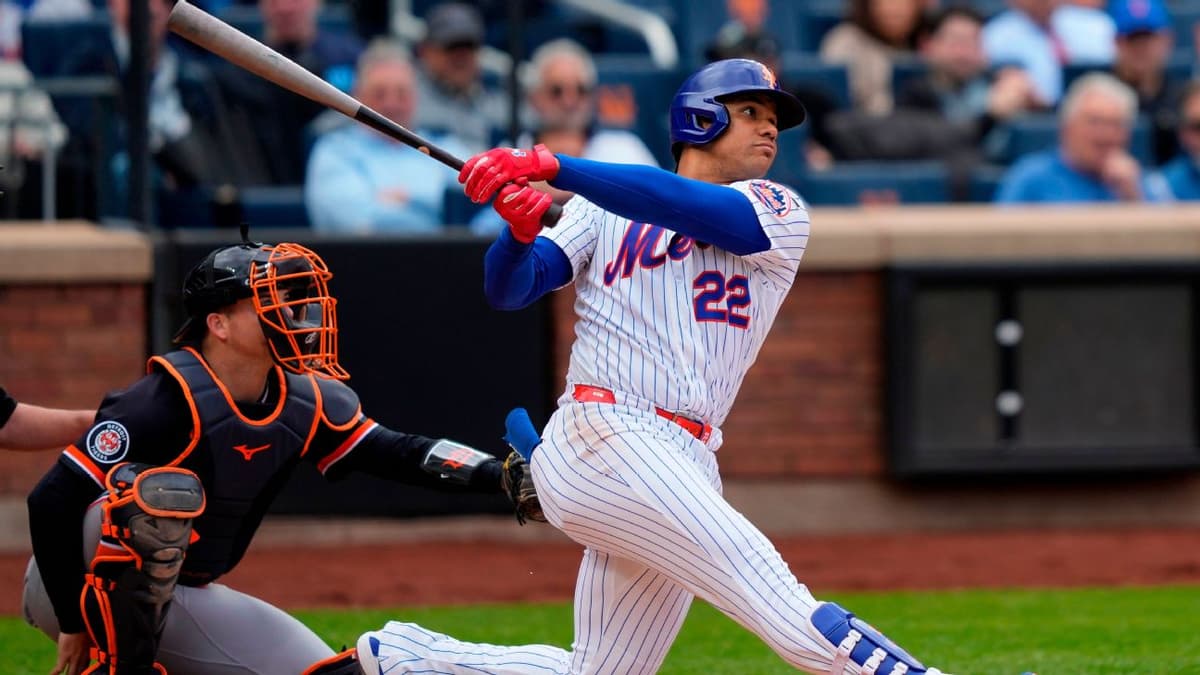
The New York Mets faced a significant hurdle in their series finale against the Miami Marlins as star outfielder Juan Soto misses Sunday's game due to a sudden illness. The news came as a surprise to fans and analysts alike, as Soto was originally included in the starting lineup before being removed just a short time before the first pitch at Citi Field. For a team looking to solidify its standing in the National League, losing a cornerstone player at the eleventh hour presents a unique set of challenges that test the resilience of the entire clubhouse.
A Late Lineup Scratch at Citi Field
The decision to remove Juan Soto from the lineup was made late in the afternoon on Sunday, catching many off guard. According to team reports, the star slugger began experiencing symptoms of an undisclosed illness during his pre-game routine. While the Mets had hoped he would be able to power through the discomfort and take his usual spot in the order, the medical staff ultimately determined it was best for him to sit out the contest to recover and prevent any further complications. This level of caution is standard for a franchise cornerstone, but the timing left the coaching staff scrambling to adjust.
Losing a player of Soto's caliber is never ideal, especially in the midst of a competitive divisional series. The New York Mets have relied heavily on his presence in the heart of the order throughout the season, and his absence forced the coaching staff to make quick, last-minute adjustments to both the batting order and the defensive alignment for the series finale against Miami. The late-breaking nature of the news meant that the replacement player had very little time to mentally prepare for the start, a common but difficult scenario in the high-pressure environment of Major League Baseball.
Analyzing the Impact of the Juan Soto Illness
Whenever a superstar like Juan Soto is sidelined, the ripple effect is felt throughout the entire roster. Soto, known for his elite plate discipline and game-changing power, provides a level of protection for the hitters around him that is nearly impossible to replicate. With the Juan Soto illness keeping him off the field, the Marlins' pitching staff faced a significantly different Mets lineup on Sunday than they had originally prepared for.
Testing the Team's Lineup Depth
The Mets were forced to rely on their bench depth to fill the void in the outfield and the middle of the order, testing the team's "next man up" philosophy. Without Soto’s name on the card, the manager had to bridge the gap by elevating hitters who typically occupy lower spots in the order. This shift not only changes the dynamic of the first few innings but also impacts how the opposing manager utilizes their bullpen late in the game.
Shifting Offensive Production Responsibilities
Soto’s ability to get on base and drive in runs is a cornerstone of the Mets' offensive strategy. In his absence, other veterans and established starters had to step up to provide the necessary spark. The lack of Soto’s high-walk rate and extra-base hit potential means the remaining hitters must be more aggressive in manufacturing runs through situational hitting and savvy baserunning, rather than relying on the long ball or a bases-clearing double from their star outfielder.
Managing Necessary Defensive Adjustments
The late scratch required a reshuffling of the outfield, moving utility players into positions to cover the ground usually patrolled by the Gold Glove-caliber outfielder. While the Mets have several versatile players capable of playing multiple positions, losing a primary starter in the outfield can lead to communication issues or slight delays in reaction time during pivotal defensive plays. Ensuring that the defensive unit remained cohesive without their regular right fielder was a top priority for the coaching staff during the pre-game transition.
The Importance of the Series Against the Marlins
This weekend’s series against the Miami Marlins carries significant weight for the New York Mets as they look to maintain their position in the National League standings. Every game matters in the long marathon of an MLB season, and divisional matchups are particularly crucial for tie-breaking scenarios and late-season momentum. Missing a key contributor like Soto in a series-deciding game puts additional pressure on the pitching staff to be nearly perfect, as the margin for error on the scoreboard becomes much thinner.
The Marlins have shown they can play the Mets tough, and without Soto to contend with in the batter's box, Miami's pitchers were able to approach the rest of the Mets' hitters with a different level of aggression. The Mets' ability to navigate these types of mid-season obstacles is often what defines a championship-caliber team. Resilience in the face of sudden lineup changes is a trait the Mets have worked hard to cultivate this year, and Sunday's game served as a litmus test for that mental toughness.
Looking Ahead: Soto’s Recovery and Return
While the New York Mets have not provided a specific timeline for his return, illnesses of this nature are typically handled on a day-to-day basis. The team is likely being cautious with their franchise cornerstone, ensuring he is 100% healthy before returning to the daily grind of the MLB schedule. With a busy schedule of games ahead, the priority remains Soto's long-term health and availability for the critical summer stretch. The medical team will continue to monitor his symptoms to ensure he is fit to travel and compete without risk of a relapse.
For now, the Mets will focus on the players available and look to find ways to manufacture runs without their leading man. Fans will be keeping a close eye on the team's injury report over the next 24 hours for any updates regarding Soto's status for the upcoming series. Stay tuned to Sport Syntax for the latest updates on this developing story and all things New York Mets baseball.
Sources & Original Reporting