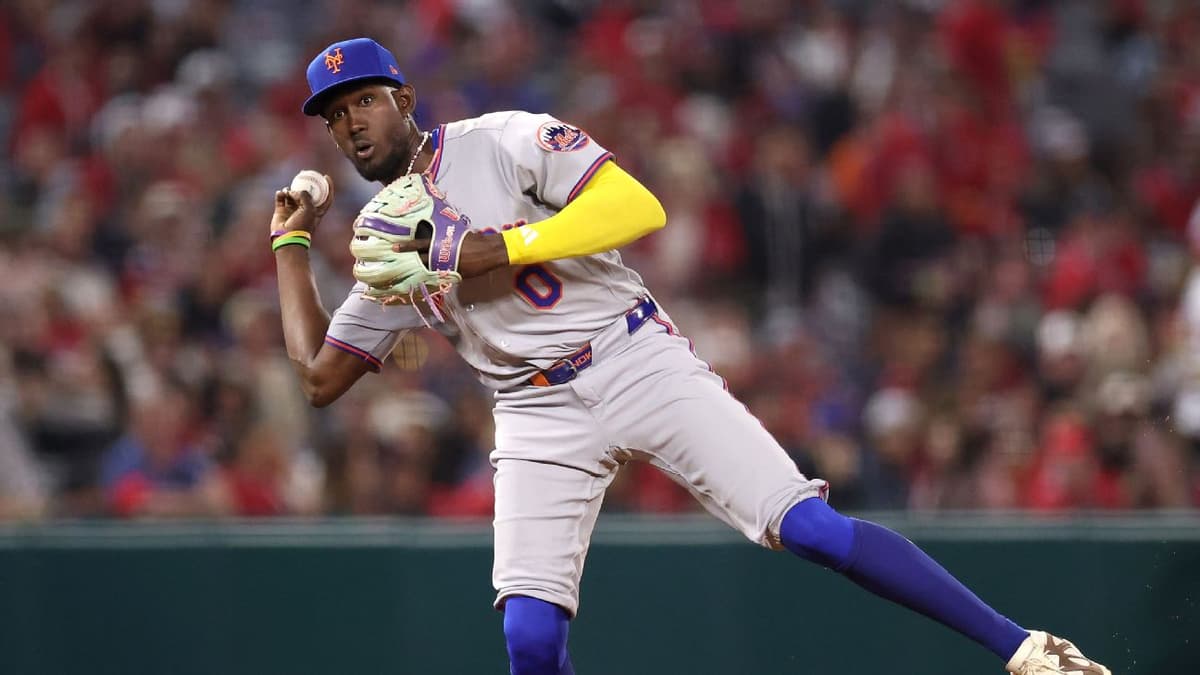
The New York Mets find themselves at a critical crossroads early in the season as health concerns continue to reshape their starting lineup. On Sunday, the organization confirmed that they will officially place infielder Ronny Mauricio on the Injured List following a significant hand injury sustained during Saturday's action. With the Ronny Mauricio injury sidelining a key piece of their infield puzzle, the Mets' front office and coaching staff are now forced to evaluate their internal options, including the potential move of star infielder Bo Bichette to the shortstop position.
Analyzing the Impact of the Ronny Mauricio Injury
The incident that led to this roster move occurred during Saturday’s matchup against the Los Angeles Angels. During the game, Ronny Mauricio suffered a fractured left thumb, an injury that was confirmed through medical imaging following the contest. A thumb fracture is a particularly difficult setback for a young hitter, as it directly impacts grip strength and the ability to control the bat through the zone. The Mets have not yet released a specific timeline for his return, but an IL stint is the necessary first step in his recovery process.
Mauricio had been viewed as a high-upside contributor for the Mets this season, offering both power potential and defensive flexibility. His absence leaves a void in the middle of the infield that the team must now address with urgency. For a club that has already dealt with various health issues across the roster, losing Mauricio’s athleticism and switch-hitting bat is a significant blow to their depth.
Bo Bichette Under Consideration for Shortstop
With a vacancy now at one of the most important positions on the field, manager Carlos Mendoza and the Mets' leadership are weighing their options. The most prominent scenario currently being discussed involves moving Bo Bichette to shortstop. While Bichette has the versatility to play multiple spots, the Ronny Mauricio injury has expedited the need for a reliable, veteran presence at the six-spot.
Evaluating Bichette’s Defensive Range
Bo Bichette brings a wealth of experience to the diamond, and his ability to handle the speed of the game at shortstop is a primary reason the Mets are considering this shift. Moving Bichette to shortstop would allow the Mets to keep a premier talent in a high-leverage defensive position while they navigate the loss of Mauricio. The coaching staff is reportedly looking at how this move would affect the overall range of the infield, ensuring that the team remains defensively sound behind their pitching staff.
The Strategic Benefit of the Move
By considering Bichette for the shortstop role, the Mets are attempting to maintain offensive continuity. Rather than bringing up a defensive specialist from the minor leagues who might struggle at the plate, shifting Bichette allows the Mets to keep their most productive bats in the lineup. This internal shuffle is a tactical response to a roster that is currently described as "injury-plagued," requiring the team to maximize the talent they have available on the active roster.
Navigating an Injury-Plagued Roster
The decision to potentially move Bichette comes at a time when the Mets are already stretched thin. The organization has had to deal with a revolving door of players due to various ailments, and the loss of Mauricio is the latest hurdle in a season defined by physical setbacks. Managing these challenges requires not just talent, but a high level of organizational resilience.
Maintaining Infield Synergy
One of the primary concerns with any mid-season position change is the impact on infield chemistry. Shortstop and second base must work in tandem, especially regarding double-play pivots and coverage on stolen base attempts. If the Mets proceed with Bichette at shortstop, the focus during pre-game drills will likely shift toward building that rapport with the rest of the infielders to minimize defensive lapses.
Impact on Offensive Production
The Mets’ lineup relies on a balance of power and contact, and Mauricio’s absence removes a switch-hitting threat that provided flexibility against both right-handed and left-handed pitching. To compensate, the Mets will need increased production from their core veterans. The move to put Bichette at shortstop is as much about keeping his bat in a rhythm as it is about his glove, ensuring the team doesn't lose momentum in the National League standings.
Looking Ahead for the Mets
As the Mets officially process the paperwork for Mauricio’s IL stint, the focus shifts to the duration of his absence and the effectiveness of the team's defensive adjustments. The Ronny Mauricio injury is a reminder of how quickly a team's plans can change over the course of a 162-game season. For now, the Mets will rely on their depth and the potential versatility of Bo Bichette to bridge the gap.
The coming days will reveal if the Mets commit fully to Bichette at shortstop or if they continue to explore other roster configurations. Regardless of the final decision, the team's ability to adapt to these injuries will be the defining factor in their pursuit of a postseason berth. Fans will be watching closely to see how the new-look infield performs under the pressure of a mounting injury list.
Sources & Original Reporting


