The 2026 MLB season has officially ushered in a new era of officiating, and the ABS system (Automated Ball-Strike) is already the primary talking point across the league. After years of testing in the minor leagues, the challenge-based version of the automated strike zone made its highly anticipated regular-season debut this past weekend. From the Boston Red Sox to the Houston Astros, every club had to navigate the high-stakes learning curve of a system that allows players to instantly appeal an umpire's call. As the dust settles on the first weekend of play, the results have been a mix of tactical brilliance and head-scratching errors.
The Gold Standard: The Best Challenges of Opening Weekend
The transition to the ABS system requires more than just a good eye; it requires a strategic partnership between the pitcher, catcher, and the dugout. During the opening series, the Toronto Blue Jays and Milwaukee Brewers stood out for their discipline. The most successful challenges were those that corrected high-leverage mistakes, such as a 3-2 count with runners in scoring position. In these moments, catchers who didn't chase every borderline call but instead waited for the 'egregious' misses saw the highest success rates.
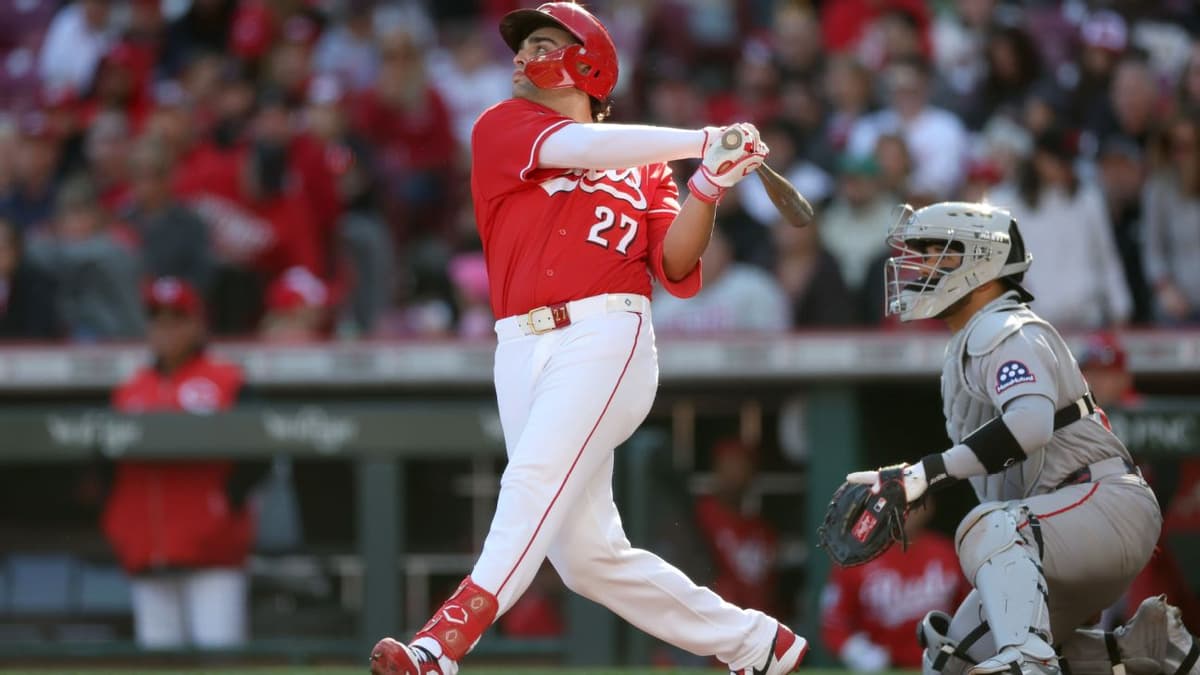
One of the standout moments involved the Cincinnati Reds, where a perfectly timed challenge overturned a potential walk into a critical strikeout. This highlighted the primary benefit of the technology: ensuring that the most pivotal moments of the game are decided by the actual flight of the ball rather than human error. The Kansas City Royals also demonstrated a keen understanding of the system, using their challenges sparingly but effectively to keep their pitchers in favorable counts.
Growing Pains: The Worst Challenges of the Weekend
On the flip side, the first weekend of the ABS system featured several 'awards' for the worst uses of the new technology. Several teams, including the Oakland Athletics and the Seattle Mariners, fell victim to 'frustration challenges.' These occur when a player or pitcher is unhappy with a previous call and burns a challenge on a pitch that was clearly outside the zone. Data from the first three days suggests that challenges on pitches at the bottom of the zone—the most difficult for human umpires to call consistently—were the most frequently lost by players.
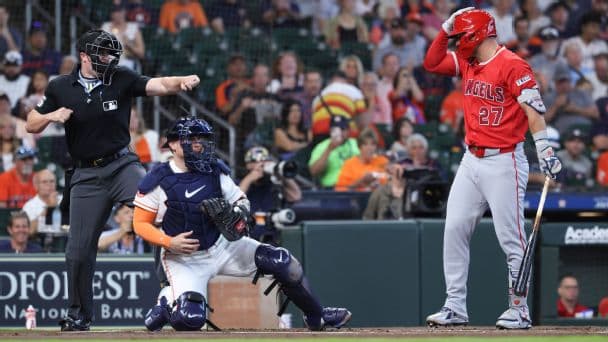
The Los Angeles Angels also experienced some early-season friction, with a few challenges coming in situations where the leverage was too low to justify the risk. Because teams are limited in the number of unsuccessful challenges they can make, wasting one in the early innings on a non-critical count proved to be a tactical blunder for several managers. These instances served as a stark reminder that while the technology is flawless, the human strategy behind using it is still very much a work in progress.
Team-Specific Trends and Tactical Adjustments
The Houston Astros and Boston Red Sox appeared to have the most refined internal systems for relaying information to the field. Many teams are now employing 'challenge coordinators' who monitor the live ABS feed and signal to the dugout. The speed of these challenges was impressive, often taking less than 15 seconds to resolve, which addressed early concerns about the ABS system slowing down the pace of play. However, the Seattle Mariners found themselves in a few awkward positions where the communication between the catcher and the bench was not fast enough, leading to missed opportunities to challenge clear misses.
The Impact on Pitching Strategy
Pitchers are already beginning to adjust their approach. With the ABS system providing a definitive map of the strike zone, pitchers who live on the edges—like those on the Milwaukee Brewers staff—are finding that 'framing' by catchers is becoming less relevant during challenged pitches. The focus is shifting toward pure accuracy. Hitters, meanwhile, are learning that they can no longer be 'rung up' on pitches that catch the shadow of the plate if they have a challenge remaining.
The Verdict on the Automated Ball-Strike System
While there were certainly some awkward moments, the consensus from the first weekend is that the ABS system is performing exactly as intended. It provides a safety net for the most important calls in the game while maintaining the traditional feel of the home plate umpire for the majority of the contest. The 'best' challenges were those that righted a clear wrong, while the 'worst' were those born of emotion rather than evidence. As the 2026 season progresses, expect teams to become much more analytical in how they deploy their challenges, turning the automated strike zone into a chess match between the dugout and the data.
Sources & Original Reporting