The Major League Baseball offseason is often defined by the "Hot Stove"—a whirlwind of high-priced free-agent signings, blockbuster trades, and the relentless pursuit of the next superstar. For fans, a busy winter is a sign of ambition, a promise that the coming summer will be filled with wins. However, as we examine the MLB 2026 offseason strategy adopted by several top-tier organizations, a different narrative is emerging: sometimes, the best move a front office can make is no move at all.
While the allure of a headline-grabbing acquisition is undeniable, historical data and recent trends suggest that roster continuity is a far more reliable predictor of success than January spending sprees. Teams like the Philadelphia Phillies and the Atlanta Braves have built sustained periods of excellence not by reinventing themselves every December, but by trusting the core they have assembled. As the 2026 season approaches, the league is divided between those looking for a quick fix and those doubling down on stability.
The MLB 2026 Offseason Strategy: Splash vs. Reality
It is easy to understand why fanbases clamor for big moves. When a team like the New York Yankees or Los Angeles Dodgers lands a generational talent, it creates an immediate sense of momentum. However, the 2026 winter approach for many successful clubs is shifting toward a more measured philosophy. The reason? Roster churn often comes with a steep learning curve and a lack of clubhouse chemistry that can derail a season before it even begins.
Consider the following factors that favor continuity over constant change:
- Defensive Familiarity: Infielders who have played hundreds of games together develop an unspoken shorthand that prevents errors and optimizes shift efficiency.
- Pitching Staff Cohesion: Catchers who understand the nuances of their starting rotation can call better games, leading to lower ERAs and fewer blown leads.
- Clubhouse Culture: Established leaders provide stability during the inevitable slumps of a 162-game season.
How Different Organizations Approach the 2026 Winter
The league is currently seeing a divergence in how front offices manage their rosters. While some teams view the winter as a time for radical transformation, others see it as a period for surgical refinement.
The Philadelphia Phillies and the "Run It Back" Model
The Philadelphia Phillies have become a primary example of the "run it back" philosophy. Rather than chasing every available big-name pitcher or shortstop, Dave Dombrowski’s front office has focused on keeping their core intact. By prioritizing long-term extensions for their own stars rather than venturing into the volatile free-agent market, the Phillies have maintained a high floor of performance. This offseason blueprint isn't just about sentimentality; it’s about risk management. When a team knows exactly what they are getting from their veteran leaders, they can better identify the small, incremental upgrades needed at the trade deadline.
The New York Yankees: Balancing Star Power and Roster Depth
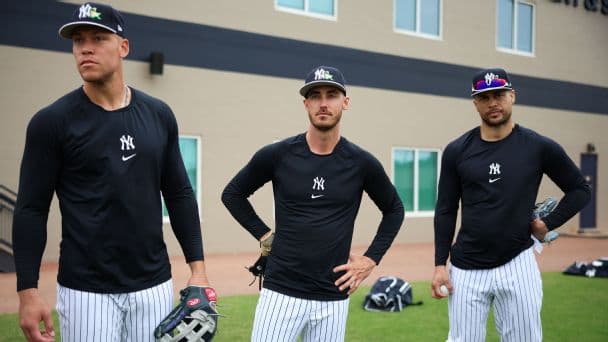
On the other side of the spectrum, the New York Yankees often find themselves in a unique position where the demand for a massive haul is constant. With high-profile players like Aaron Judge anchoring the lineup, the pressure to surround them with even more talent is immense. However, the Yankees have also seen the benefits of continuity, particularly in their bullpen and defensive alignments. The challenge for the Bronx Bombers—and teams like the New York Mets and San Diego Padres—is determining when a "busy winter" becomes a distraction. Adding a new superstar is great for jersey sales, but if it comes at the expense of the depth pieces that win games in August, the trade-off may not be worth it.
Small Market Teams and the Internal Growth Blueprint
It isn't just the big spenders who are looking at continuity. Teams like the Baltimore Orioles, Cleveland Guardians, and Milwaukee Brewers have utilized a strategy of internal development to remain competitive. For these organizations, 2026 roster management usually involves trusting their farm systems rather than expensive veterans. The Arizona Diamondbacks and Detroit Tigers are also following this path. By allowing their young cores to grow together, they are creating a sense of unity that can often overcome the raw statistical advantages of more expensive rosters.
The Long-Term Impact of Roster Cohesion
As we look toward the start of the season, the data continues to suggest that teams with the least amount of turnover often perform best in the early months of the schedule. This stability allows coaching staffs to focus on tactical adjustments rather than basic integration of new personnel. While January spending habits dominate the headlines, the quiet work of maintaining a clubhouse culture often yields better results in the standings.
Teams like the Houston Astros and Atlanta Braves have proven that a "winning summer" is the result of years of consistency. When players know their roles and trust their teammates, the friction of a long season is significantly reduced. This doesn't mean teams should never sign free agents, but rather that those signings should complement an existing foundation rather than attempt to replace it entirely.
Conclusion: The Verdict on the 2026 Offseason
As Opening Day approaches, the lesson for fans and analysts alike is clear: don't judge a team's potential solely by their transactions list. While a quiet winter might feel like a missed opportunity, it often signals a front office that is confident in its current roster. In the modern era of baseball, where data and chemistry are equally vital, the most successful MLB 2026 offseason strategy might just be the one that keeps the band together and trusts the process already in place.
Sources & Original Reporting


