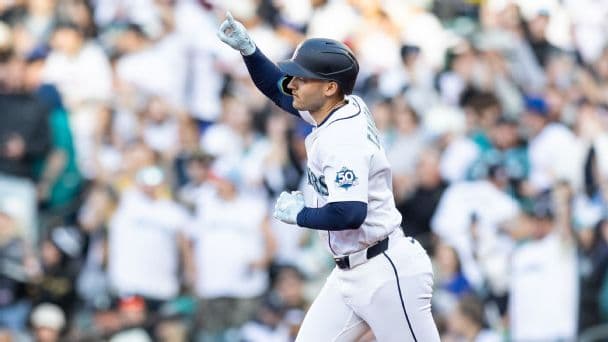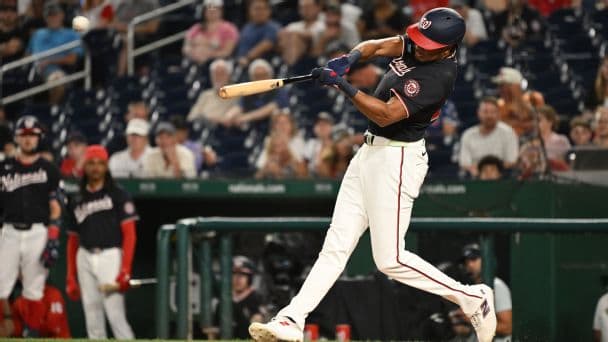
The 2026 Major League Baseball season has arrived with a clear and thunderous message: the lefties are taking over. Across both leagues, southpaw hitters are putting up historic offensive numbers, leaving analysts and fans alike wondering what has changed the landscape of the diamond so drastically. While the talent pool is undeniably deep, a primary catalyst for this shift is the MLB ABS challenge system impact. By providing a technological check on the historically inconsistent "lefty strike zone," the Automated Ball-Strike challenge system is allowing left-handed hitters to dominate at the plate like never before.
The Rise of the Southpaw Slugger
As we move through the 2026 campaign, the league leaderboards are dominated by left-handed names that have become synonymous with power and precision. Shohei Ohtani and Juan Soto continue to lead the charge, but the depth of left-handed talent has reached a fever pitch. Hitters like Yordan Alvarez and Kyle Schwarber are seeing their productivity soar, largely because they no longer have to protect against pitches that fall outside the traditional rulebook definition of a strike.
The numbers across the league tell a compelling story. Left-handed hitters are collectively posting their highest OPS (On-base Plus Slugging) marks in decades. The introduction of the challenge system has provided a vital safety net. When a hitter of Juan Soto’s caliber knows he can challenge a missed call on a borderline pitch, his approach becomes more disciplined. This confidence has led to a league-wide decrease in chase rates among southpaws, forcing pitchers to throw more strikes and, inevitably, more hittable balls.
Solving the Mystery of the "Lefty Strike"
For generations, baseball players and scouts have lamented the existence of the "lefty strike"—a pitch low and away that was frequently called a strike against left-handed batters despite being outside the zone. This phantom call often put hitters in an immediate hole, forcing them to swing at pitches they couldn't drive. The MLB ABS challenge system impact has effectively neutralized this historical disadvantage.
Increased Accuracy and Accountability
Under the 2026 challenge rules, hitters have the power to instantly verify a call. This has forced umpires to tighten their interpretation of the zone. The result is a more rigid, digitized strike zone that doesn't favor the pitcher on those traditional "expanded" edges. For a veteran like Kyle Schwarber, who has a career-long reputation for knowing the zone better than most officials, this technology acts as the ultimate equalizer.
Improved Hitter Confidence
Knowing that a borderline pitch won't automatically result in a strikeout allows lefties to stay patient. This psychological shift is just as important as the physical calls. Hitters are no longer "defensive" with two strikes; they are staying aggressive on pitches they can handle, knowing they won't be victimized by a human error on the corners.
The Next Generation of Left-Handed Stars
The impact of the MLB ABS challenge system is perhaps most visible in the rapid ascent of the league's youngest stars. These players are entering the league with a level of plate discipline that was previously rare for rookies, largely because the technology rewards their eyes.
James Wood and Bryce Eldridge: The New Giants
Physical specimens like James Wood and Bryce Eldridge present a unique challenge for umpires because of their massive frames and long reach. Historically, taller hitters often suffered from inconsistent zones. However, in 2026, Wood and Eldridge have used the challenge system to ensure their large strike zones are strictly maintained. This has allowed them to focus on utilizing their immense raw power rather than worrying about a fluctuating zone.
Munetaka Murakami: The International Powerhouse
The transition from NPB to MLB can be difficult, particularly regarding the adjustment to different officiating styles. Munetaka Murakami has navigated this transition seamlessly. By leaning on the consistency provided by the ABS system, Murakami has been able to translate his legendary Japanese power to the American stage, becoming a cornerstone of his lineup and a nightmare for right-handed pitchers.
Nick Kurtz and Ben Rice: Discipline at the Core
Younger players like Nick Kurtz and Ben Rice have become poster boys for the new era of discipline. Both hitters possess a keen eye, and the ability to challenge missed calls has allowed them to maintain high walk rates early in their careers. By refusing to swing at the "pitcher's pitches" on the black, they are forcing veterans to come into the heart of the plate.
Strategic Shifts on the Mound
As left-handed hitters gain the upper hand, the pitching fraternity is being forced into a radical tactical evolution. The old strategy of "nibbling" at the corners is becoming a liability rather than an asset. When a pitcher attempts to paint the edge and the hitter challenges, a resulting "ball" call can flip the count and put the pitcher in a high-leverage defensive position.
The Death of "Living on the Edge"
Pitchers who previously relied on getting the benefit of the doubt on the outside corner against lefties are finding themselves in 2-0 and 3-1 counts more often. This has led to a noticeable increase in fastballs thrown toward the middle of the plate. Elite hitters like CJ Abrams are capitalizing on this, using their bat speed to turn these forced strikes into extra-base hits.
Increased Volume of Strikes
The data from the 2026 season shows that pitchers are throwing more strikes than ever before. However, the quality of these strikes has changed. Because they can no longer rely on the "lefty strike," pitchers are having to challenge hitters with their best stuff in the zone. This has created a high-octane environment where every at-bat feels like a heavyweight fight, and currently, the lefties are landing the knockout blows.
A Fairer Future for the National Pastime
The 2026 season will likely be remembered as the year the strike zone finally became equal for everyone. The MLB ABS challenge system impact has removed the subjectivity that once plagued left-handed hitters, allowing their natural talent to take center stage. From the veteran dominance of Yordan Alvarez to the exciting potential of James Wood, the southpaw resurgence is a testament to what happens when technology and talent align.
As Major League Baseball continues to embrace these technological advancements, the game evolves into a more precise version of itself. For the left-handed hitters who have long fought against the "phantom strike," the future has never looked brighter—or more productive.
Sources & Original Reporting