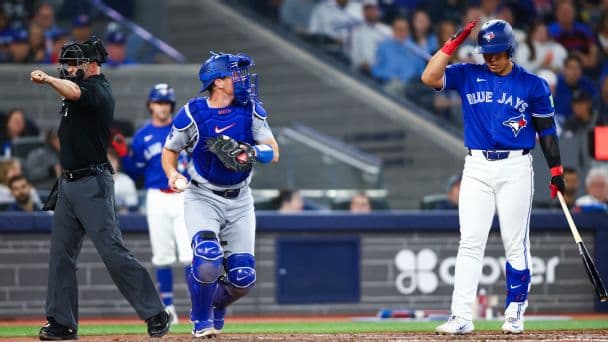
Baseball has long been a game of inches, but those inches are increasingly being measured by lasers rather than the human eye. As Major League Baseball inches closer to a potential league-wide rollout, the MLB automated ball-strike system (ABS) has become the most debated topic in clubhouses from the New York Yankees to the Los Angeles Angels. The transition from traditional umpiring to a challenge-based technological override is fundamentally altering the roles of catchers, pitchers, and hitters alike.
The Mechanics of the MLB Automated Ball-Strike System
The MLB automated ball-strike system, often referred to as the "challenge system," is currently the preferred model over a fully automated strike zone. In this format, the human umpire still calls the game, but pitchers, catchers, and hitters have a limited number of challenges they can trigger per game. When a challenge is issued, the Hawkeye tracking technology determines the result in real-time, displaying the definitive ball or strike call on the stadium scoreboard within seconds.
This hybrid approach seeks to maintain the traditional pace and feel of the game while providing a safety net for egregious missed calls. For teams like the Toronto Blue Jays and Baltimore Orioles, who rely on high-velocity arms and precise painting of the corners, the accuracy of this system is a double-edged sword that rewards precision but punishes those who benefit from a generous "umpire’s zone."
The Catcher’s Dilemma: The Death of Framing?
Perhaps no position is more affected by the MLB automated ball-strike system than the catcher. For decades, the art of "framing"—subtly moving the glove to make a ball look like a strike—has been a billion-dollar skill. Catchers for the New York Mets and Milwaukee Brewers have specifically noted how the challenge system shifts their defensive priorities.
- Framing vs. Blocking: With the automated system providing the final word on challenges, the value of framing may diminish, leading teams to prioritize catchers with elite blocking and throwing abilities.
- Mental Pressure: Catchers are often the ones tasked with deciding whether to burn a challenge, adding a layer of strategic management to their already high-stress workload.
- The Human Element: Many veteran catchers argue that the relationship with the home plate umpire is a vital part of the game’s fabric that technology cannot replicate.
Pitchers and Hitters Seek Consistency
From the perspective of the Chicago Cubs and Pittsburgh Pirates rotations, consistency is the ultimate goal. Pitchers often complain not about a small strike zone, but a moving one. The ABS challenge rule provides a definitive baseline. If a pitcher knows that a high fastball on the black is a strike 100% of the time according to the computer, they can attack that zone with more confidence.
Conversely, hitters from the Chicago White Sox and other clubs are finding that the system eliminates the "reputation calls" often granted to veteran pitchers. A rookie hitter can now challenge a strike-three call from an All-Star closer and get an objective ruling, leveling the playing field in high-leverage moments. However, some players remain concerned that the "robotic" zone doesn't account for the natural movement and physics of a breaking ball that may just clip the very bottom of the zone—a pitch that has traditionally been called a ball.
Strategic Implications and the Road to 2026
As MLB gathers data from the minor leagues and player feedback sessions, the consensus is that the challenge system is the most likely path forward for a 2026 implementation. The strategic use of challenges—saving them for the ninth inning versus using them on a 3-1 count in the second—adds a new layer of gamesmanship to the sport. Managers and bench coaches are already studying data to determine which umpires have the highest discrepancy rates compared to the MLB automated ball-strike system data.
Ultimately, the goal of the ABS is to ensure that the outcome of a game is determined by the players' performance rather than a missed call. While traditionalists may balk at the intrusion of technology, the players are increasingly accepting that in a game defined by razor-thin margins, accuracy is king.
Sources & Original Reporting