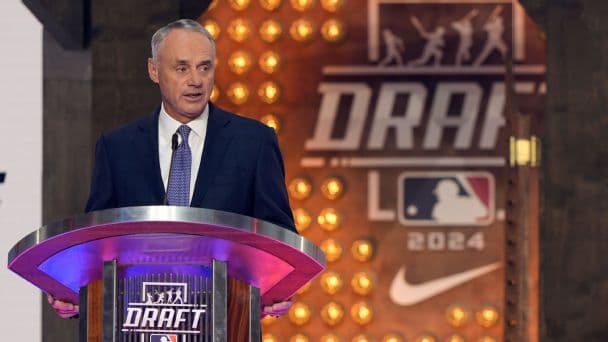
Major League Baseball has submitted a transformative MLB draft overhaul proposal to the Players Association that would fundamentally redefine how professional talent enters the league. According to reports from Jeff Passan and ESPN on June 18-19, 2026, the league is seeking to drastically shrink the size of the draft while implementing strict new eligibility requirements that would effectively end the era of the high school phenom entering the professional ranks directly from graduation.
The Core Components of the MLB Draft Overhaul Proposal
The centerpiece of the league's new vision is a significant reduction in the volume of players selected each year. The MLB draft overhaul proposal calls for a 12-round draft for both domestic and international prospects. This represents a sharp decline from the current 20-round format, continuing a downward trend in total selections that began when the draft was shortened from 40 rounds following the 2019 season.
By limiting the draft to just 12 rounds, the league aims to streamline the minor league system and focus resources on a smaller, more elite pool of prospects. This move would likely result in hundreds of players who would have previously been drafted instead seeking alternative routes into professional baseball, such as independent leagues or extended collegiate careers.
Raising the Eligibility Age: The End of High School Draft Picks
In perhaps the most controversial aspect of the proposal, Major League Baseball is seeking to eliminate high school players from the draft entirely. The league has proposed raising the minimum eligibility age to 20 years old. Under the current system, high school seniors are a primary fixture of the draft, often commanded high signing bonuses to bypass college commitments.
If this proposal is adopted, the path to the majors would shift exclusively through the collegiate ranks or international pipelines for older players. The league's rationale focuses on several key factors:
- Developmental Certainty: Players entering the professional system at age 20 or older generally have more statistical data and physical maturity, reducing the financial risk for franchises.
- Cost Savings: By removing the leverage high school players currently hold with college scholarships, teams can avoid the massive "over-slot" bonuses typically required to sign top-tier teenage talent.
- System Efficiency: The league argues that the college system is better equipped to handle the early developmental years of young players than the lower levels of the minor leagues.
The International Draft and Implementation Timeline
The proposal also addresses the long-standing goal of the league to implement a centralized international draft. While MLB has pushed for this change in several previous collective bargaining cycles, this latest iteration sets a specific target for the future. The implementation for the international draft is slated for 2027 or 2028, rather than an immediate rollout.
This international version would mirror the domestic draft’s 12-round structure. For decades, international prospects—primarily from Latin America—have been signed as amateur free agents. Moving to a draft format would provide the league with more control over the distribution of talent and the total amount of money entering the international market.
Financial Restructuring: The $200 Million Hard Cap
To complement the structural changes, the MLB draft overhaul proposal introduces a rigid financial framework. The league is proposing a hard cap of $200 million for each draft—one for the domestic pool and one for the international pool. This would replace the current "bonus pool" system, which allowed for some flexibility and taxed teams for overages.
A hard cap of $200 million would strictly limit the total expenditure across all 30 teams for their 12 rounds of selections. This move is designed to ensure cost certainty for owners and prevent big-market teams from using financial might to secure extra talent through aggressive spending on late-round or international signings. For the players, however, this represents a firm ceiling on the total amount of money available to incoming talent each year.
Next Steps in Negotiations
As these details emerge, the focus shifts to the Major League Baseball Players Association (MLBPA). The union has historically been protective of amateur earning potential and has resisted the implementation of an international draft. The proposal to raise the draft age to 20 and implement a hard spending cap will likely face significant scrutiny during the negotiation process.
Because these changes would fundamentally alter the amateur baseball landscape, from youth scouting to the collegiate game, the industry will be watching closely as the league and the union discuss these terms throughout the summer of 2026. For now, the proposal stands as the league's most aggressive attempt yet to modernize and economize the player acquisition process.
Sources & Original Reporting