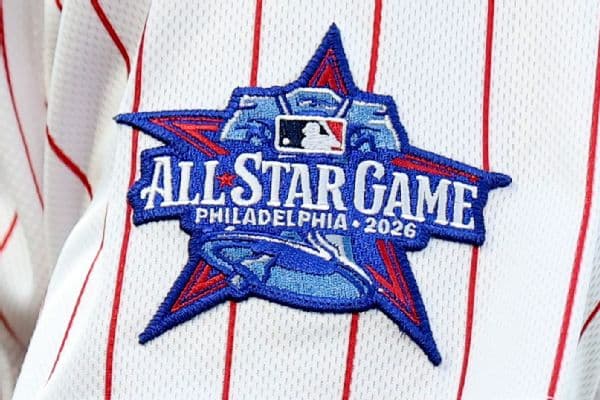
The midsummer classic is getting a major makeover. In a move that signals a return to a more traditional pace for one of baseball's most beloved traditions, Major League Baseball has officially announced that it is eliminating the clock for the upcoming All-Star Home Run Derby. This significant MLB Home Run Derby clock elimination will take effect next month when the stars descend upon Citizens Bank Park in Philadelphia, home of the Phillies.
A Major Shift in the MLB Home Run Derby Format
For the past decade, the Home Run Derby has been defined by the frantic ticking of a countdown timer. Introduced in 2015 to inject a sense of urgency and excitement into the broadcast, the timed format required hitters to launch as many home runs as possible within a set window—usually three minutes in the early rounds and two minutes in the finals. While the format succeeded in creating high-volume home run totals, it often left players physically exhausted and turned the event into a test of endurance rather than a pure display of power.
The decision to move away from the clock represents a pivot in MLB’s philosophy regarding the event. By removing the time constraint, the league aims to restore the "every swing counts" drama that characterized the Derby for decades before the 2015 overhaul. Fans in Philadelphia will now see a contest where the quality of the swing and the majesty of the home run take center stage over the sheer quantity of pitches seen per minute.
Addressing Player Fatigue and Performance
One of the primary drivers behind the MLB Home Run Derby clock elimination is the feedback from the players themselves. Under the timed format, hitters often felt compelled to swing at nearly every pitch, regardless of location, to maximize their time. This led to a rapid-fire approach that was not only grueling for the batters but also for the specialized batting practice pitchers tasked with delivering strikes at a breakneck pace.
By eliminating the clock, MLB is expected to transition back to a system based on a set number of pitches or "outs." This allows players to take a breath, reset their stance, and wait for the perfect pitch to drive into the bleachers. For the fans, this means fewer pop-ups and ground balls born of exhaustion and more of the towering, 450-foot blasts that make the Derby a marquee event on the sports calendar.
Philadelphia’s Citizens Bank Park: A Hitter’s Paradise
The timing of this rule change is particularly interesting given the venue. Citizens Bank Park in Philadelphia is widely regarded as one of the most hitter-friendly environments in the Major Leagues. With relatively short porches and a reputation for the ball carrying well in the summer heat, the "Bank" is the perfect stage for a revamped Home Run Derby.
Philadelphia sports fans are known for their passion and high expectations, and a format that emphasizes massive home runs over a rushed pace is likely to be well-received. The removal of the clock ensures that the atmosphere in the stadium can build organically with every swing, rather than being dictated by a buzzer. Whether it is a hometown hero like Bryce Harper or a visiting slugger, the players will now have the luxury of time to soak in the Philadelphia crowd's energy before launching their next moonshot.
The Evolution of the Home Run Derby
The Home Run Derby has undergone numerous transformations since its inception in 1985. It began as a simple out-based competition before evolving into the bracket-style, timed tournament fans have watched for the last nine years. Recent tweaks, including limits on the total number of pitches per round introduced in 2024, served as a bridge toward this total elimination of the clock.
As MLB prepares for the festivities in Philadelphia, the league is clearly prioritizing the fan experience and the health of its superstars. The new format is expected to include:
- A set number of pitches per round to ensure a fair playing field.
- Strategic timeouts or breaks to allow hitters to recover.
- A continued focus on exit velocity and distance as tiebreakers or bonus criteria.
- A bracket-style tournament that maintains the head-to-head competitive spirit.
The MLB Home Run Derby clock elimination is a bold step backward to move the event forward. By slowing things down, Major League Baseball is actually turning up the intensity, ensuring that every home run hit at Citizens Bank Park is a moment to be savored rather than just another number on a rapidly changing scoreboard.
Sources & Original Reporting