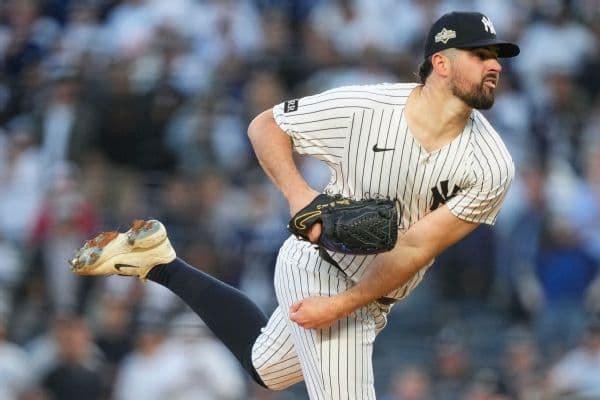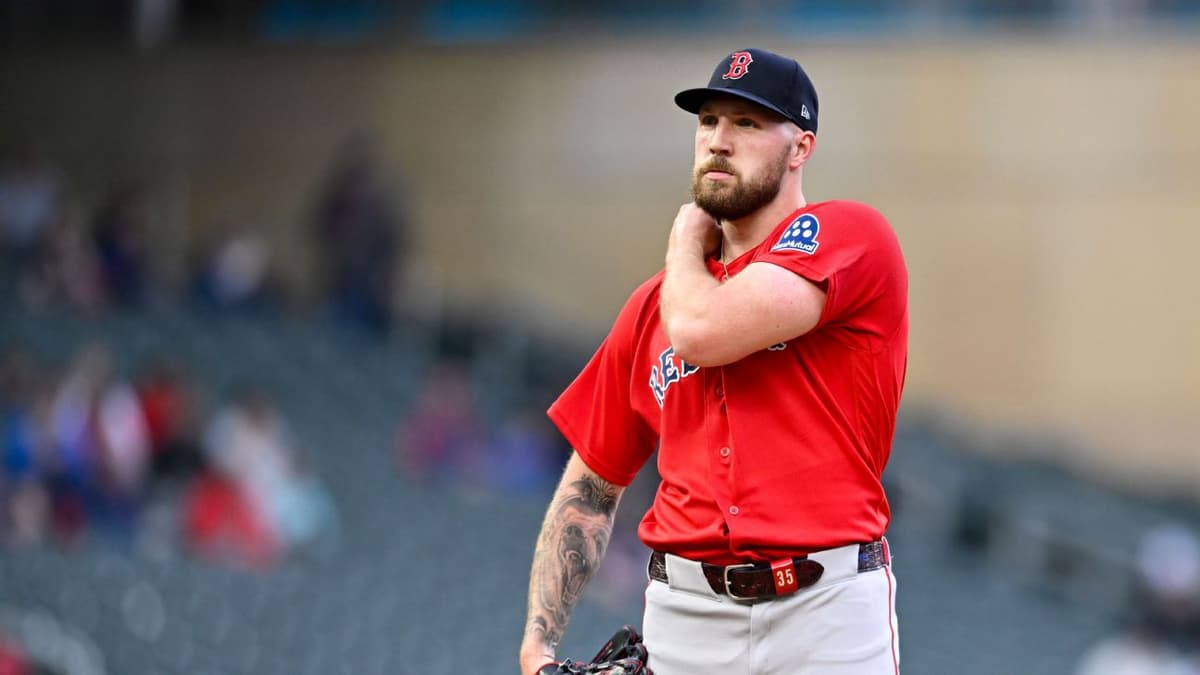
The arrival of April in the major leagues often brings a specific kind of anxiety for fantasy managers. While the weather begins to warm up, some of the biggest names in the game can stay ice-cold at the plate or on the mound. It is a time when MLB fantasy baseball slow starts dominate the conversation in league group chats and on waiver wire boards. However, history and advanced metrics tell us that reacting too quickly to a three-week sample size is the fastest way to ruin a championship-caliber season.
The Psychology of the Small Sample Size
In the world of fantasy sports, context is everything. If a superstar like Josh Naylor or Gleyber Torres goes through a 4-for-30 stretch in the middle of July, it is often dismissed as a minor slump because it is cushioned by months of previous production. In April, however, that same slump represents 100% of the season's data. This creates a distorted reality where managers feel pressured to "do something" to save their season before it even truly begins.
Sticking with slumping superstars requires a disciplined, analytical approach. Instead of obsessing over the "back of the baseball card" stats like batting average or ERA, savvy managers must look at peripheral indicators. Metrics such as exit velocity, hard-hit rate, and walk-to-strikeout ratios often reveal that a player’s underlying skills are still intact, even if the results haven't caught up yet.
Breaking Down the Slumping Superstars
To understand why you should hold steady, we need to look at specific players currently testing the patience of the fantasy community. These athletes represent different archetypes of the early-season struggle, from the young prospect finding his footing to the veteran pitcher dealing with BABIP misfortune.
Pete Crow-Armstrong: The Case for Elite Tools
Pete Crow-Armstrong is perhaps the most polarizing name in fantasy circles right now. Known for his elite defensive capabilities and game-changing speed, his offensive output can be volatile as he adjusts to Major League pitching. When he hits a slump, his batting average can plummet, causing owners to look toward the waiver wire.
However, Crow-Armstrong offers a unique "speed floor" that most players cannot match. Even when he isn't hitting for power or high average, his ability to swipe bases remains a constant threat. Furthermore, because his glove is so valuable to the Cubs' real-world success, his lineup security is virtually guaranteed. In fantasy, playing time is the most important currency, and Crow-Armstrong will have plenty of opportunities to hit his way out of a funk.
Garrett Crochet: K-Rate vs. ERA Volatility
On the pitching side, Garrett Crochet is a prime example of why MLB fantasy baseball slow starts can be deceiving. A high ERA in the first few weeks is often the result of a single "blow-up" inning or an unsustainably high home-run-to-fly-ball ratio. For Crochet, the key is to ignore the runs allowed and focus on the swing-and-miss stuff.
Strikeouts are considered a "sticky" stat, meaning they are a better predictor of future success than ERA or wins. If Crochet is still generating high whiff rates and maintaining his velocity, his ERA will eventually gravitate toward his FIP (Fielding Independent Pitching). Selling low on a high-strikeout arm in April is a mistake that often haunts managers in August.
Josh Naylor: Trusting the Power Profile
Josh Naylor has established himself as a reliable source of RBI and power, but he is a notoriously streaky hitter. When Naylor is "off," he can look lost at the plate, leading to a surge in ground balls and a dip in OPS. But for a veteran with his track record, these cold snaps are simply part of the package.
Naylor’s value often comes in massive bunches. He is the type of player who can hit five home runs in a single week to completely flip a fantasy matchup. If you drop him during a cold April, you are essentially gifting a high-end power source to your rivals just as the weather—and Naylor's bat—begins to heat up.
Gleyber Torres: Banking on the Middle Infield Track Record
Similarly, Gleyber Torres remains a rare commodity: a middle infielder with 25-plus home run potential. While he may struggle with consistency, his career trajectory suggests that the numbers will be there at the end of the 162-game grind. In the modern game, finding reliable production at second base is difficult, making Torres a player you simply cannot afford to give up on early.
Strategies for Navigating MLB Fantasy Baseball Slow Starts
If you find your roster loaded with underperforming stars, the best course of action is often to do nothing at all. However, if the losing weeks are piling up, there are a few tactical moves you can make without sacrificing your long-term ceiling:
- The Bench Stash: If a player is truly killing your weekly average, move them to your bench for a few days. This allows you to stop the bleeding without losing the asset.
- The "Buy Low" Inquiry: Use the panic of others to your advantage. If a rival manager is frustrated with a star player's slow start, this is the perfect time to offer a 2-for-1 trade that nets you the superior talent.
- Check the Schedule: Sometimes a slow start is simply the result of facing elite pitching rotations or playing in cold-weather cities. Look ahead to see if a favorable stretch of games is on the horizon.
Ultimately, fantasy baseball is a marathon, not a sprint. The managers who win championships are not the ones who chase every hot streak on the waiver wire, but the ones who have the fortitude to trust their draft-day evaluations. Those MLB fantasy baseball slow starts you see now will likely be forgotten by the time the All-Star break rolls around.
Sources & Original Reporting