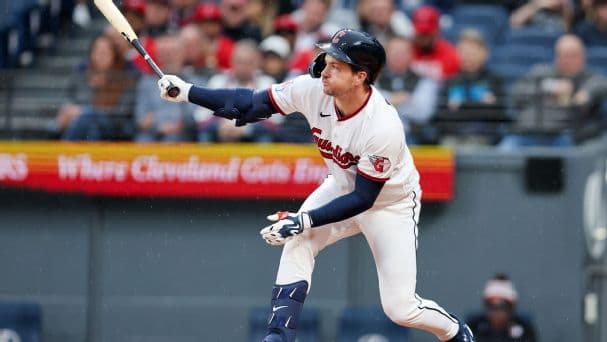
In the modern era of professional baseball, the classic "Mendoza Line"—a .200 batting average—was once the ultimate red line for a position player’s viability. However, as we move through the 2026 season, MLB hitting struggles are reaching a historic tipping point. Several of the league's most prominent names are testing the absolute floor of offensive productivity, forcing managers to weigh the value of an elite glove against a disappearing bat.
The 2026 season has seen a significant shift in how front offices view the bottom of the order. With league-wide strikeout rates remaining high and defensive shifts more optimized than ever, the value of run prevention has skyrocketed. This has led to a fascinating dilemma: how low can a player’s batting average drop before their defensive contributions are no longer enough to justify a starting spot?
The Defensive Specialists: Patrick Bailey and Taylor Walls
Perhaps no player exemplifies the 2026 defensive premium more than Patrick Bailey of the Cleveland Guardians. Despite offensive numbers that would have seen a player demoted a decade ago, Bailey remains a fixture behind the plate. His ability to frame pitches and shut down the running game has made him indispensable to a Guardians pitching staff that leads the league in ERA.
Similarly, the Tampa Bay Rays continue to lean heavily on Taylor Walls. While his batting average has hovered in the mid-.100s for much of the season, his range at shortstop and third base remains among the best in the American League. For the Rays, the calculation is simple: the runs Walls saves with his glove outweigh the lack of production at the plate, especially in a low-scoring environment where every defensive miscue is magnified.
Veteran Slumps and High Stakes: Marcus Semien and Ke'Bryan Hayes
The conversation changes when high-priced veterans and established stars begin to struggle. Marcus Semien, now a key veteran for the New York Mets, has found himself in the midst of one of the most prolonged MLB hitting struggles of his career. Despite the lack of power and a declining on-base percentage, Semien’s leadership and reliable middle-infield defense have kept him in the lineup. The Mets’ coaching staff remains confident that his track record will eventually lead to a turnaround, but the leash is shortening as the postseason race heats up.
In Cincinnati, Ke'Bryan Hayes is facing a similar challenge with the Reds. Known for his perennial Gold Glove-caliber defense at third base, Hayes has seen his offensive output dip significantly in 2026. The Reds find themselves in a difficult position: do they prioritize the defensive stability Hayes provides on the hot corner, or do they sacrifice that security for a bench player with more offensive upside? History suggests that elite defenders like Hayes are given more leeway, but the 2026 season is testing that theory to its limit.
The Youth Movement: Denzel Clarke and Victor Scott II
For younger players like Denzel Clarke of the Athletics and Victor Scott II of the St. Louis Cardinals, the ability to stay in the lineup during a slump often comes down to their secondary tools. Scott II, in particular, has used his elite speed and center-field range to remain a net positive for the Cardinals despite a struggling bat. The ability to impact the game on the basepaths and in the gaps allows these younger players to endure the growing pains of major league pitching.
The Statistical Threshold
- Run Prevention Value: Teams are using advanced metrics to determine if a player's Defensive Runs Saved (DRS) compensates for a sub-.600 OPS.
- Lineup Protection: Managers are more willing to hide a weak hitter in the ninth spot if the top of the order is producing at an elite level.
- Replacement Level: The lack of high-quality offensive depth across the league has made it harder to find suitable replacements who don't represent a massive defensive downgrade.
Milwaukee’s Dilemma with Joey Ortiz
The Milwaukee Brewers are currently navigating this balance with Joey Ortiz. Ortiz has shown flashes of brilliance, but his 2026 campaign has been defined by inconsistency. However, his versatility across the infield makes him a vital piece of the Brewers' defensive strategy. As the league continues to prioritize versatility and run prevention, players like Ortiz find themselves with a longer leash than traditional offensive-first players might have had in the past.
Ultimately, the 2026 season is proving that there is no longer a hard "line" for hitting. Instead, there is a complex, shifting equation of value. As long as a player can prevent more runs than they fail to produce, they will likely find a home in a major league lineup, regardless of how much they might be struggling at the plate.
Sources & Original Reporting


