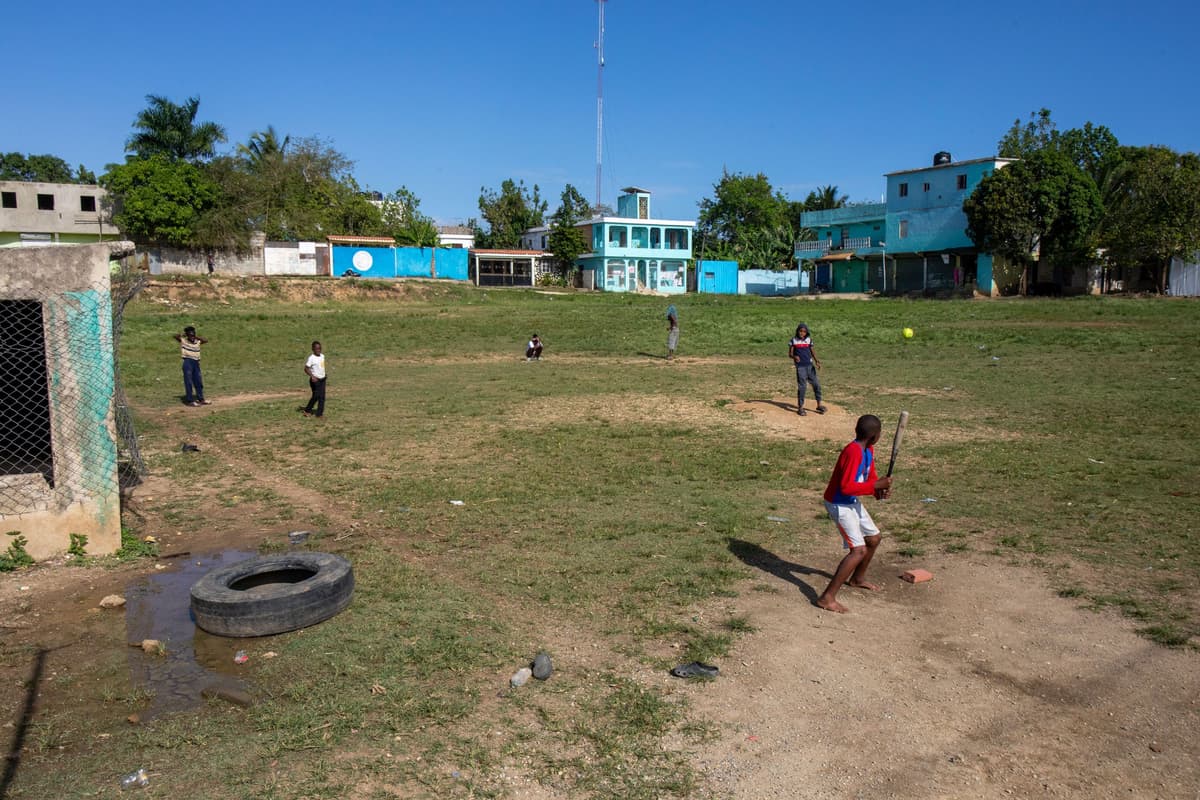
The dream of reaching the Major Leagues has long been a beacon of hope for thousands of young athletes in the Dominican Republic, but that dream is increasingly overshadowed by a nightmare of corruption and tragedy. As the league grapples with systemic failures in its international scouting pipeline, the conversation surrounding a potential MLB international draft has shifted from a mere financial debate to a moral imperative. With the 2026 Collective Bargaining Agreement (CBA) negotiations on the horizon, the push for a centralized system is gaining unprecedented momentum.
The Breaking Point: The Death of Ismael Urena
The urgency for reform reached a fever pitch following the tragic death of 14-year-old Ismael Urena. The teenager, who was training at an academy in the Dominican Republic, died after being injected with veterinary-grade steroids intended for horses. His death served as a gruesome reminder of the lengths to which some trainers, known as buscones, will go to secure a lucrative professional contract for their players.
Urena’s story is not an isolated incident of medical malpractice; it is a symptom of a lawless environment where children are treated as financial commodities. Because MLB currently operates under a system of individual team signings rather than a structured MLB international draft, the pressure to stand out at an increasingly younger age has led to a dangerous culture of performance-enhancing drug use among minors.
A System Built on Broken Promises
The current international signing period is technically governed by rules that prohibit teams from reaching agreements with players before they turn 16. However, it is an open secret in the industry that verbal deals are often made with children as young as 12 or 13. By the time these players reach the legal signing age, the deals are frequently rescinded if the player’s development plateaus or if a cheaper alternative emerges.
These "broken deals" leave teenagers with no education, no professional contract, and often, significant health issues from years of unsupervised training and supplement use. The lack of oversight has also fostered an environment rife with identity fraud, where players' ages and names are falsified to make them more appealing to MLB organizations. The league has attempted to crack down on these practices, but the decentralized nature of the current system makes enforcement nearly impossible.
The Argument for an MLB International Draft
For years, MLB Commissioner Rob Manfred and team owners have advocated for the implementation of an MLB international draft. Proponents argue that a draft would provide a much-needed structure to the chaotic international market. By centralizing the process, the league could theoretically implement better oversight of trainers, mandate medical screenings, and eliminate the illegal early verbal agreements that currently plague the Dominican Republic.
Potential Benefits of a Draft System:
- Transparency: A draft would eliminate the back-room deals currently made with 12-year-olds.
- Player Safety: MLB could enforce stricter medical protocols and drug testing for draft-eligible prospects.
- Cost Control: While a point of contention for players, owners argue a draft would stabilize the skyrocketing bonuses paid to a small handful of top prospects.
- Educational Support: A structured system could include mandates for continued education for players who do not make it to the professional ranks.
Obstacles to Reform in the 2026 CBA
Despite the clear need for change, the path to an MLB international draft is fraught with political hurdles. The MLB Players Association (MLBPA) has historically resisted a draft, viewing it as a mechanism for owners to suppress wages and limit the earning potential of international amateur players. During the last round of CBA negotiations in 2022, the two sides failed to reach an agreement on the draft, leaving the status quo in place.
However, the mounting scandals—including the Urena tragedy and widespread reports of fraud—have changed the optics of the debate. The MLBPA is under increasing pressure to prioritize the safety and long-term well-being of future members over immediate signing bonuses. As the 2026 labor talks approach, the league and the union will have to decide if they can find a middle ground that protects young athletes without stripping them of their economic leverage.
The Path Forward for MLB
The crisis in the Dominican Republic has reached a tipping point where doing nothing is no longer a viable option. Whether the solution is a full MLB international draft or a heavily regulated version of the current signing period, the league faces a reckoning. The focus must shift from finding the next phenom at any cost to ensuring that the path to the Big Leagues is paved with safety and integrity rather than exploitation and tragedy. As the baseball world looks toward 2026, the stakes have never been higher for the children chasing their dreams in the Caribbean.
Sources & Original Reporting