The intersection of professional sports and social initiatives has once again taken center stage as MLB Commissioner Rob Manfred addressed internal communication failures within the San Francisco Giants organization. In a formal letter sent to Missouri Senator Josh Hawley, Manfred acknowledged that the Giants did not properly inform their players of their right to opt out of wearing rainbow-themed apparel during the team’s recent Pride Night festivities.
The controversy stems from an incident earlier this month when the Giants hosted their annual Pride Night at Oracle Park. While the event was intended to celebrate the LGBTQ+ community, it became a point of contention when questions arose regarding player participation and the league's uniform policies. The situation has prompted a closer look at how Major League Baseball manages social themed events and the autonomy granted to individual athletes.
A Breakdown of the Giants' Pride Night Communication
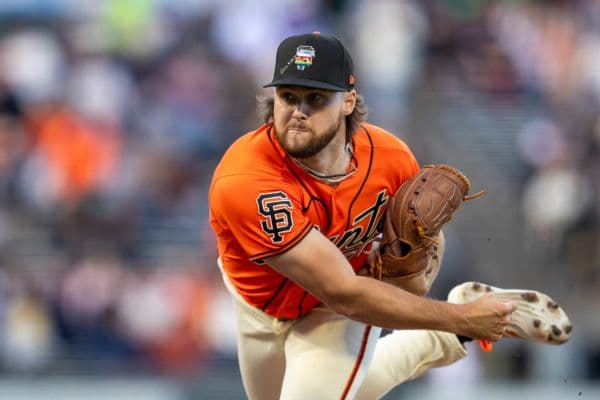
According to the letter penned by MLB Commissioner Rob Manfred, the San Francisco Giants failed to provide clear guidance to their roster regarding the choice to wear Pride-themed caps. Manfred stated that the club's communication to its players was "not clear" in explaining that they were allowed to decline wearing the commemorative gear based on personal or religious objections.
This lack of clarity became evident when pitcher Landen Roupp was seen wearing a standard Giants cap rather than the rainbow-themed version during the event. The discrepancy sparked immediate questions from the media and fans alike, eventually leading to political inquiries regarding the league's enforcement of uniform standards during themed nights. Manfred’s admission suggests that while the league has a framework for these events, the execution at the club level in San Francisco fell short of expectations.
Understanding MLB's Uniform Policy and Player Rights
To understand why this communication lapse is significant, one must look at the evolution of MLB's uniform policies. Following various controversies in previous seasons involving themed jerseys and patches, Major League Baseball issued a memo in 2023 to all 30 clubs. This directive was designed to standardize how teams handle commemorative uniforms.
The 2023 policy established several key points for MLB franchises:
- Teams are permitted to host Pride Nights and other community-focused events.
- Clubs may use themed logos on scoreboards, stadium signage, and promotional materials.
- Players cannot be mandated to wear specialized uniforms or patches that conflict with their personal or religious beliefs.
- Standardized on-field uniforms are encouraged to maintain a consistent brand image across the league.
By failing to communicate these specific rights to the players, the San Francisco Giants inadvertently created a situation where athletes may have felt pressured or were simply unaware of the league-wide protections afforded to them. Manfred’s letter serves as a corrective measure, reinforcing that the league's stance is one of optional participation for players when it comes to social-themed apparel.
The Role of Senator Josh Hawley and Political Pressure
The involvement of Missouri Senator Josh Hawley adds a layer of political scrutiny to the situation. Hawley had previously reached out to the Commissioner’s office to express concerns over whether players were being coerced into participating in social causes against their will. The Senator’s inquiry specifically cited the Giants' Pride Night as a potential example of a team overstepping its bounds.
In response, MLB Commissioner Rob Manfred sought to clarify that the league does not have a policy requiring players to wear Pride gear. The letter to Hawley was a direct attempt to reassure lawmakers and the public that the league respects the individual conscience of its players. However, by admitting the Giants' communication was flawed, Manfred also acknowledged that the implementation of these policies is only as effective as the teams' internal messaging.
The Los Angeles Dodgers, who have also faced their own share of Pride Night-related headlines in recent years, were the Giants' opponents during the series in question. This high-profile matchup further amplified the visibility of the uniform choices made by players on both sides of the diamond.
Impact on the San Francisco Giants and Future Events
For the San Francisco Giants, a franchise known for its deep ties to the local community and its long history of supporting social causes, this communication breakdown is a notable misstep. The organization has traditionally been a leader in inclusivity efforts within professional baseball, making the lack of clarity regarding the Pride caps particularly surprising to industry observers.
Moving forward, the Giants and other MLB clubs will likely face increased pressure to ensure that their internal memos align perfectly with the Commissioner's directives. The goal for the league remains a delicate balance: continuing to support community initiatives and inclusive environments at the ballpark while protecting the individual rights of the athletes on the field.
As the MLB season progresses, the focus will return to the game itself, but the lessons learned from this month’s events in San Francisco will undoubtedly shape how teams approach themed nights for years to come. Clearer communication, as Manfred emphasized, will be the key to avoiding similar controversies in the future.
Sources & Original Reporting