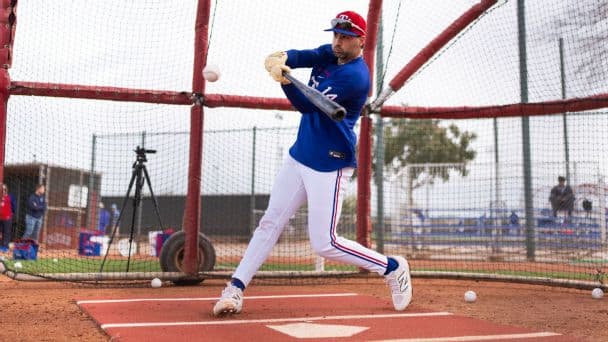
In the modern era of Major League Baseball, the margin between a division title and a missed postseason berth often comes down to the smallest of advantages. As we move through the 2026 season, no role has become more scrutinized or more vital than the MLB pinch hitter. Coming off the bench to face 100-mph fastballs after sitting for three hours is widely considered the hardest job in professional sports, but a new blueprint for success is emerging across the league.
The Evolution of the MLB Pinch Hitter in 2026
The days of the specialist pinch hitter—usually a veteran slugger with limited mobility—are largely behind us. In 2026, the archetype of the successful bench player has shifted toward versatility and explosive preparation. Managers like Skip Schumaker are no longer just looking for a home run threat in the eighth inning; they are looking for players who can bridge the gap between the bench and the high-leverage environment of late-inning play without missing a beat.
The statistical data from the first half of the 2026 season suggests that the most effective pinch hitters share a specific set of traits. It isn't just about raw power anymore. Instead, the focus has shifted toward bat-to-ball skills and the ability to shorten a swing against elite relief pitching. When every reliever coming out of the bullpen is throwing triple digits with a devastating sweeper, the MLB pinch hitter must prioritize contact over a long, looping power stroke.
The Tyler Wade Model: Versatility and Readiness
One of the standout examples of this modern approach is Tyler Wade of the Texas Rangers. Wade has carved out a significant role for himself by mastering the "long and short" of bench production. For the Rangers, Wade represents the ultimate utility tool—a player who can provide defensive stability at multiple positions while maintaining a high level of offensive readiness.
The secret to Wade’s success in 2026 lies in his rigorous mid-game routine. While the starters are on the field, players like Wade are often found in the underground batting cages, utilizing high-tech velocity machines that mimic the specific release points and spin rates of the opposing team's bullpen. This "active bench" philosophy ensures that when the call comes in the seventh or eighth inning, the player isn't just warm; they are already adjusted to the speed of the game.
Strategic Deployment Under Skip Schumaker
As managers refine their late-game tactics, the deployment of the MLB pinch hitter has become a chess match. Skip Schumaker has been at the forefront of this tactical shift, often utilizing pinch hitters earlier in the game than traditional logic would suggest. By identifying high-leverage moments in the fifth or sixth inning, managers can maximize the impact of their bench before the opposing team's "closer" types are even warming up.
Schumaker’s strategy often revolves around three key factors:
- Pitcher Matchups: Analyzing the horizontal and vertical break of the current pitcher versus the bench player's swing path.
- Baserunning Impact: Choosing a pinch hitter who doubles as a threat on the basepaths, such as Tyler Wade, to put immediate pressure on the pitcher.
- Defensive Flexibility: Ensuring the pinch hitter can stay in the game at multiple positions, allowing the manager to maintain tactical flexibility for the final two innings.
The Psychological Edge of the Bench
Beyond the physical mechanics and the data-driven matchups, there is a profound psychological element to being a successful MLB pinch hitter. It requires a specific temperament—the ability to stay mentally locked into the game while physically inactive. The best bench players in 2026 are those who treat every inning as if they are already in the lineup, studying the umpire’s strike zone and the rhythm of the opposing pitcher from the top step of the dugout.
The "secret" to production off the bench is ultimately a combination of high-tech preparation and old-school mental toughness. As the Texas Rangers and other contenders have shown this season, the 26th man on the roster is no longer an afterthought. In 2026, that player is often the difference-maker in the quest for a World Series ring.
Sources & Original Reporting


