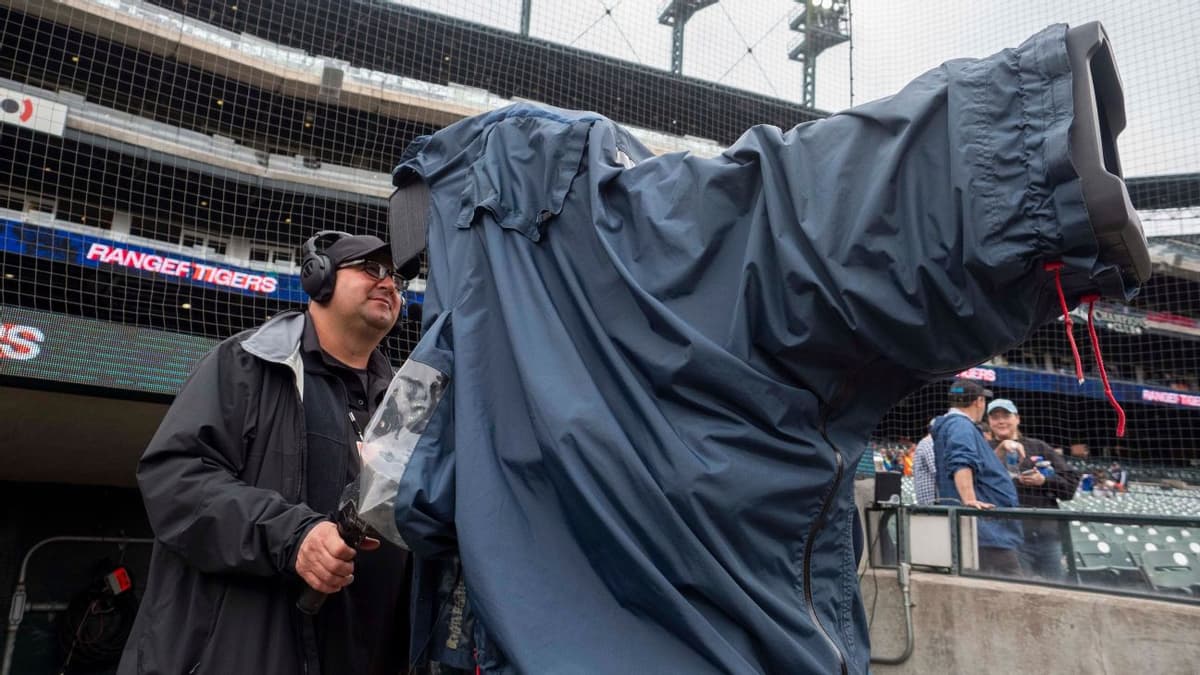
The landscape of regional sports broadcasting is undergoing a seismic shift, and Detroit is the latest city to see a total transformation in how fans access their favorite teams. Major League Baseball has officially announced that it will take over the responsibility to produce and distribute MLB Detroit Tigers local broadcasts for the upcoming season. In a move that signals a growing trend across professional sports, the deal also extends to the NHL’s Detroit Red Wings, marking a rare instance where one league’s production arm will handle the television output for another.
A New Era for MLB Detroit Tigers Local Broadcasts
For decades, the Detroit Tigers were a staple of the regional sports network (RSN) model, primarily appearing on Bally Sports Detroit. However, following the financial restructuring and ongoing bankruptcy proceedings of Diamond Sports Group, the Tigers have opted for a more stable and direct path to their audience. By partnering with Major League Baseball, the Tigers ensure that their games will be produced with the high-quality standards established by MLB’s own media wing.
This transition means that MLB will now oversee everything from the camera angles and graphics to the distribution of the signal to various cable and satellite providers. For the Detroit Tigers, this move provides a level of certainty that has been missing during the recent volatility of the RSN market. MLB has already successfully integrated other teams into this model, including the Arizona Diamondbacks and Colorado Rockies, proving that the league is capable of maintaining a premium broadcast product without a traditional RSN intermediary.
The Ilitch Sports + Entertainment Connection
The decision to move both the Tigers and the Red Wings to MLB-produced broadcasts is rooted in the corporate structure of Detroit sports. Both franchises are owned by Ilitch Sports + Entertainment. By negotiating as a unified front, the Ilitch family has secured a comprehensive solution for their two most prominent winter and summer properties. This consolidated approach allows for a more streamlined production process and a unified viewing experience for fans who follow both the diamond and the ice.
Under this new agreement, MLB will be responsible for the technical production of all local Red Wings games as well. While it may seem unusual for a baseball entity to produce hockey broadcasts, MLB’s media department has long been considered a gold standard in sports technology. This partnership ensures that Red Wings fans will receive the same level of professional coverage as their baseball counterparts, even as the NHL continues to navigate its own regional broadcasting challenges.
Breaking Down the Distribution Model
One of the primary questions for fans is how they will actually watch the games. While the full list of providers and streaming options is expected to be finalized as the season approaches, the MLB-led model typically focuses on maximum reach. This often includes:
- Traditional Cable and Satellite: MLB negotiates directly with providers like Xfinity, DIRECTV, and Spectrum to ensure the channel remains available on standard packages.
- Direct-to-Consumer (DTC) Streaming: This model often includes a standalone streaming option for fans who have cut the cord, allowing them to subscribe directly to a service to watch Tigers and Red Wings games without a cable bundle.
- Improved Accessibility: By removing the middleman of a struggling RSN, the teams can often resolve long-standing carriage disputes that previously blacked out games for large portions of the local market.
What This Means for the Future of Sports Media
The Detroit deal is a significant indicator of where the industry is heading. As traditional RSNs continue to face financial headwinds, leagues are increasingly taking matters into their own hands. By controlling the production and distribution, the MLB and the NHL (via this partnership) can ensure that their intellectual property is protected and that the fan experience remains a top priority. For the Detroit Red Wings, being part of this MLB-led initiative provides a safety net that many other NHL teams are currently seeking.
The move also highlights the power of multi-team ownership groups. Ilitch Sports + Entertainment is leveraging its diverse portfolio to create a sustainable media future. As more teams across the MLB, NBA, and NHL see their local TV contracts expire or dissolve, the "Detroit Model" of league-led production may become the new standard for professional sports broadcasting in North America.
Conclusion
While the technical side of the broadcast is changing, the heart of the coverage remains focused on the fans in Michigan. With MLB at the helm, the Detroit Tigers and Red Wings are positioned to enter a new chapter of television history—one defined by stability, high production value, and broader access. As the MLB season nears, fans can look forward to a seamless transition that keeps the focus where it belongs: on the action taking place at Comerica Park and Little Caesars Arena.
Sources & Original Reporting