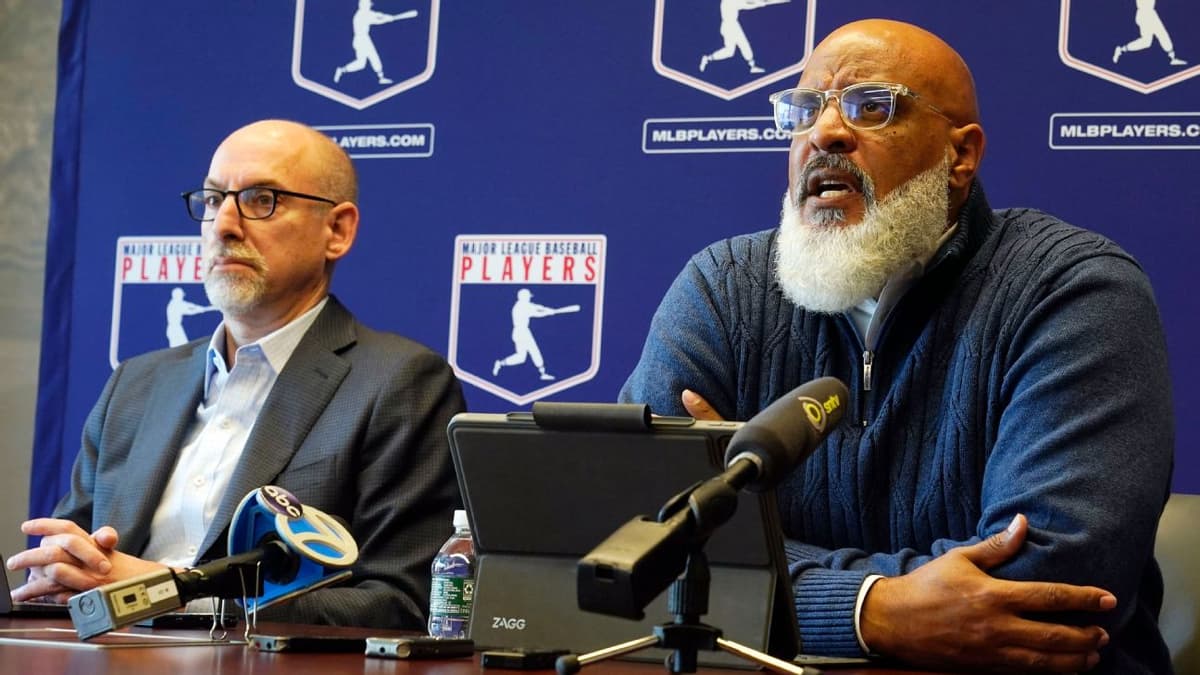
The Major League Baseball Players Association (MLBPA) is currently navigating one of the most turbulent periods in its storied history. Following the sudden and shocking departure of Executive Director Tony Clark amidst a cloud of controversy, the union finds itself at a definitive turning point. For a group that prides itself on solidarity and leverage, the timing could not be more precarious. With the current Collective Bargaining Agreement (CBA) set to expire in the coming years, the MLBPA leadership transition is not just a matter of internal human resources—it is a battle for the future of the sport's labor relations.
The Impact of the Tony Clark Scandal on Union Solidarity
The exit of Tony Clark, the first former player to lead the union, marks the end of an era defined by both significant gains and internal friction. While Clark was instrumental in navigating the 2021-22 lockout, recent reports of financial mismanagement and internal discord have left the membership searching for answers. The "scandal" terminology surrounding his departure suggests a breach of trust that the union must address immediately to prevent a fracture between the executive board and the rank-and-file players.
To rebuild, the MLBPA must first conduct a transparent audit of its recent operations. Players need to know that their dues are being managed with the highest level of fiduciary responsibility. Without this transparency, the union risks losing the very thing that makes it powerful: the unwavering unity of its members. The next leader will inherit a room that needs as much internal healing as it does external negotiation strategy.
Immediate Priorities for the MLBPA Leadership Transition
As the search for a new Executive Director begins, the MLBPA board must decide on the archetype of its next leader. The transition presents an opportunity to move toward a hybrid leadership model that combines the player-first perspective of the Clark era with the rigorous legal and economic expertise of the Donald Fehr or Marvin Miller eras. Key priorities for the interim leadership include:
- Stabilizing Internal Staff: Ensuring that the legal and economic departments remain focused on data collection and player protection during the transition.
- Player Outreach: Increasing communication with clubhouse representatives to gauge player sentiment and address concerns regarding the recent scandal.
- Defining the Search Criteria: Deciding whether the next leader should be a veteran labor lawyer, an economist, or another former player with significant administrative experience.
By focusing on these structural pillars, the MLBPA leadership transition can move from a period of crisis to a period of institutional strengthening.
Strengthening the Union Before the Next Collective Bargaining Agreement
The shadow of the 2026 CBA negotiations looms large over this leadership change. Major League Baseball owners are notoriously unified, and any perceived weakness in the union's front office could be exploited at the bargaining table. The MLBPA has an opportunity to turn this crisis into a catalyst for modernization. This includes upgrading their digital infrastructure for player communication and enhancing their economic modeling to better counter the league's data-driven proposals.
Furthermore, the union must address the growing divide between veteran players and those early in their careers. Issues such as service time manipulation, the competitive balance tax, and minor league integration require a leader who can synthesize diverse interests into a single, cohesive bargaining agenda. The MLBPA leadership transition serves as a deadline for the players to decide exactly what they are willing to fight for in the next round of talks.
The Role of External Experts and Legal Counsel
In the wake of the scandal, there is a strong argument for the MLBPA to bring in outside consultants to oversee the restructuring process. This move would provide an objective perspective on the union's current vulnerabilities and help implement safeguards to prevent future leadership crises. Whether it is hiring a specialized search firm to find the next Executive Director or engaging a forensic accounting firm to clear the air, these steps are essential for restoring the union's reputation among its members and the public.
Ultimately, the strength of the MLBPA has always been its ability to adapt. From the early days of the reserve clause to the modern era of free agency, the union has faced existential threats before. While the loss of Tony Clark is a significant blow, it provides a clean slate. If the players can successfully navigate this MLBPA leadership transition with transparency and strategic foresight, they may find themselves in a stronger position than ever before when they finally sit across the table from the league's owners.
Sources & Original Reporting