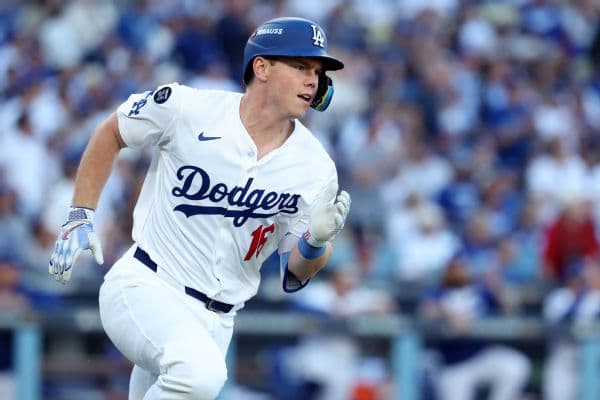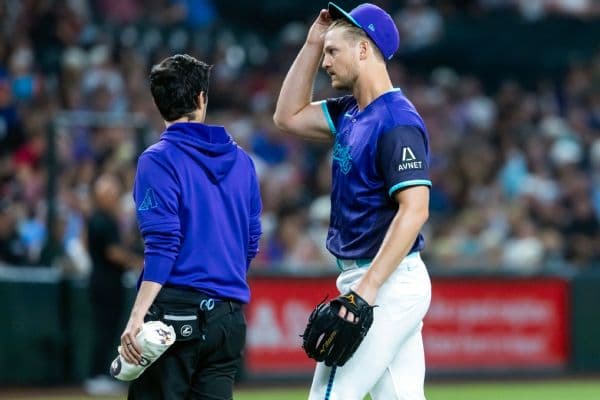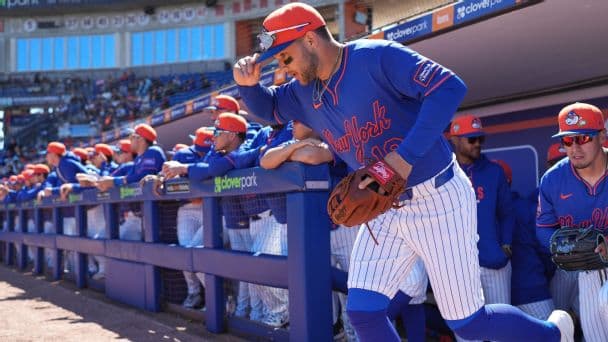
As Spring Training opens for the 2026 season, the atmosphere in Port St. Lucie feels fundamentally different. The New York Mets 2026 makeover is no longer a plan on a whiteboard; it is a reality on the diamond. For the first time in nearly a decade, the roster lacks the familiar faces that defined a generation of Mets baseball. Gone are the franchise cornerstones, replaced by a high-octane collection of superstars and versatile veterans designed to push the organization toward its ultimate goal. Under the leadership of owner Steve Cohen and President of Baseball Operations David Stearns, the Mets have completed one of the most aggressive roster reconstructions in modern MLB history.
The Strategy Behind the New York Mets 2026 Makeover
Transitioning a franchise is never easy, especially when it involves parting ways with fan favorites. The New York Mets 2026 makeover required the difficult decision to say goodbye to the team’s four longest-tenured players: Pete Alonso, Brandon Nimmo, Edwin Diaz, and Jeff McNeil. These four athletes represented the heart of the previous era, providing years of All-Star production and leadership. However, Stearns and the front office recognized that to reach the next level, the team needed a shift in dynamic, defensive versatility, and offensive consistency.
Letting Pete Alonso walk in free agency was perhaps the most polarizing move of the transition. As a homegrown power hitter, Alonso's presence at first base was a constant for the Queens faithful. Similarly, losing Brandon Nimmo in the outfield and the reliable "Flying Squirrel" Jeff McNeil meant losing the team's primary table-setters. The departure of Edwin Diaz also signaled a total rebuild of the high-leverage innings in the bullpen. While these exits were emotional for the fan base, they cleared the necessary payroll and roster space to execute a vision centered on elite contact, speed, and top-of-the-rotation dominance.
A New Core: The Arrival of Juan Soto and Bo Bichette
If the departures defined the start of the winter, the arrivals defined the future. The centerpiece of the New York Mets 2026 makeover is undoubtedly Juan Soto. Landing the generational talent in free agency immediately gives the Mets one of the most feared hitters in the game. Soto’s ability to control the strike zone and provide left-handed power creates a perfect pairing with Francisco Lindor. Lindor, now the elder statesman of the clubhouse, remains the defensive anchor at shortstop and a vocal leader for a locker room full of new faces.
To further bolster the middle of the infield, the Mets secured Bo Bichette. The addition of Bichette provides a high-average, high-energy bat that complements Lindor’s switch-hitting capabilities. With Bichette joining the fold, the Mets have created one of the most offensively gifted infields in the National League. This duo, combined with the veteran presence of Marcus Semien and Jorge Polanco, ensures that the Mets' lineup has no easy outs from top to bottom. Semien and Polanco bring a wealth of postseason experience and tactical flexibility, allowing the Mets to match up effectively against any pitching staff in the league.
Elevating the Outfield and Pitching Staff
The makeover extended well beyond the dirt. With Nimmo gone, the Mets turned to Luis Robert Jr. to provide elite athleticism in the outfield. Robert Jr. brings a combination of Gold Glove-caliber defense and raw power that changes the complexion of the Mets' defense. His ability to cover ground at Citi Field will be crucial for a pitching staff that relies on efficient defense behind them. The outfield depth is further solidified by a rotation of versatile players who can play multiple positions, a hallmark of David Stearns' roster construction.
On the mound, the rotation received a massive boost with the acquisition of Freddy Peralta. Stepping in as a frontline starter, Peralta provides the swing-and-miss stuff the Mets lacked in previous seasons. To support him, the Mets also brought in Luke Weaver, whose resurgence as a versatile arm provides stability to both the rotation and the long-relief roles. Weaver’s ability to eat innings and bridge the gap to the late-inning specialists will be vital over the 162-game grind.
Closing games in the post-Diaz era will fall to a committee approach led by Devin Williams. Known for having one of the most devastating changeups in baseball, Williams stepped into the closer role to provide the late-game security the Mets need to compete in a crowded NL East. The combination of Williams’ strikeout ability and the depth provided by the rest of the revamped bullpen suggests that the Mets have prioritized late-inning efficiency over individual accolades.
Building a Sustainable Contender in Queens
The New York Mets 2026 makeover is a testament to David Stearns’ philosophy of building a "sustained winner." By diversifying the roster and adding players like Juan Soto and Bo Bichette, the Mets have moved away from a top-heavy approach toward a more balanced, athletic, and resilient squad. The 2026 season represents a clean slate—a chance for the organization to establish a new identity that honors the past but is focused squarely on bringing a World Series trophy back to Queens.
As the team gels during Spring Training, the focus remains on chemistry. With so many new faces, the leadership of Francisco Lindor will be more important than ever. The Mets are betting that this blend of superstar talent and veteran savvy will be the formula that finally delivers on the high expectations of the Steve Cohen era. While the goodbyes were difficult, the potential of this new-look roster has fans in Flushing more optimistic than ever before.
Sources & Original Reporting