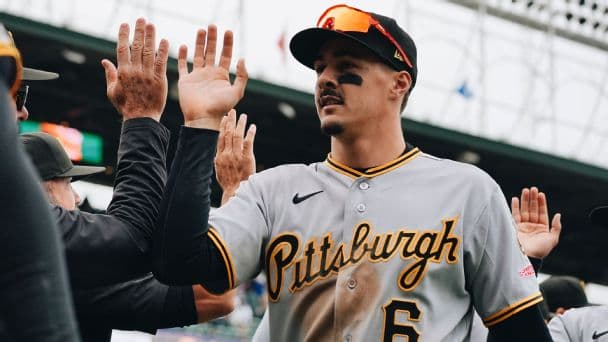
The San Diego Padres’ pitching depth is facing an immediate and significant test early in the season. On Wednesday, the club received discouraging news regarding veteran right-hander Nick Pivetta. Following an MRI to evaluate discomfort in his throwing arm, the Nick Pivetta injury has been diagnosed as a flexor strain in his right elbow, an ailment that will keep him off the mound for the foreseeable future.
The Diagnosis and Timeline for Nick Pivetta
San Diego Padres manager Craig Stammen shared the news with reporters, confirming that the results of the imaging were not what the team had hoped for. According to Stammen, the MRI revealed a strain in the flexor mass, a common but concerning injury for high-velocity pitchers. While the team has not yet set a specific date for his return, the early prognosis suggests a lengthy absence.
Stammen noted that Pivetta will be sidelined for "weeks and maybe months," indicating that the recovery process will involve a period of total rest followed by a gradual throwing program. This timeline effectively removes Pivetta from the rotation for a significant portion of the first half of the season, leaving the Padres to navigate a challenging stretch in the competitive NL West without one of their key arms.
Understanding the Impact of a Flexor Strain
In the world of Major League Baseball, a flexor strain is often viewed with caution. The flexor-pronator muscle group is located on the inside of the elbow and is responsible for stabilizing the joint during the high-stress mechanics of a pitch. When a pitcher suffers a Nick Pivetta injury of this nature, the primary concern is ensuring the strain does not lead to or mask damage to the ulnar collateral ligament (UCL).
By opting for a timeline that spans months, the Padres are prioritizing a conservative recovery path. This approach typically involves:
- Initial shutdown of all throwing activities to allow inflammation to subside.
- Physical therapy to strengthen the forearm and elbow stabilization muscles.
- A structured long-toss program once cleared by medical staff.
- A series of bullpen sessions and live batting practice before a formal rehab assignment.
The Padres' Rotation Moving Forward
Losing a veteran like Pivetta creates a void in a rotation that was built to rely on his durability and strikeout potential. Pivetta, known for his high spin rates and ability to eat innings, was expected to provide stability behind the front-end starters. His absence now forces the Padres’ front office and coaching staff to look toward their internal depth.
With the Nick Pivetta injury confirmed, the spotlight shifts to the team's younger arms and swingmen who may be called upon to fill the vacancy. Manager Craig Stammen and the coaching staff will have to manage the workload of the remaining starters carefully to avoid a cascading effect of fatigue across the staff. The Padres have historically been aggressive in addressing roster needs, but for now, the solution will likely come from within the current clubhouse or the Triple-A affiliate.
A Critical Blow to San Diego's Early Season Momentum
The timing of the injury is particularly difficult as the Padres look to establish themselves in the divisional race. In a division where every win counts, losing a projected starter for "months" puts added pressure on the offense and the bullpen. The Padres have invested heavily in their roster with the expectation of a deep postseason run, and losing Pivetta is a hurdle they did not anticipate this early in the campaign.
As Pivetta begins his rehabilitation process, the team will monitor his progress closely. The "weeks and maybe months" window provided by Stammen suggests that the Padres are prepared for a long road ahead. Fans and analysts alike will be watching for updates on his throwing program as the summer approaches, hoping that the veteran can return to bolster the staff for the stretch run.
Sources & Original Reporting