When you walk into a Major League Baseball clubhouse, you expect to see the tools of the trade: oiled leather gloves, custom-weighted bats, and high-tech recovery equipment. However, in recent years, a new staple has emerged on the tables of the league’s most elite athletes. Between scouting reports and film sessions, stars from the Atlanta Braves, Los Angeles Dodgers, and Milwaukee Brewers are increasingly turning their attention to Pokémon card collecting in MLB. What started as a nostalgic hobby has evolved into a high-stakes obsession that mirrors the intensity of the game itself.
The Ace of Base: Chris Sale’s Passion for Pokémon
The trend of Pokémon card collecting in MLB is perhaps best personified by Chris Sale. The veteran left-hander, known for his devastating slider and intense competitive drive, has found a secondary outlet for his focus in the world of trading cards. Sale isn't just a casual fan; he is a serious collector who understands the nuances of centering, surface quality, and the high-end market for rare cards. In the Atlanta Braves clubhouse, Sale’s interest has helped legitimize the hobby among his peers, proving that even the most seasoned veterans can find joy in the "gotta catch 'em all" mentality.
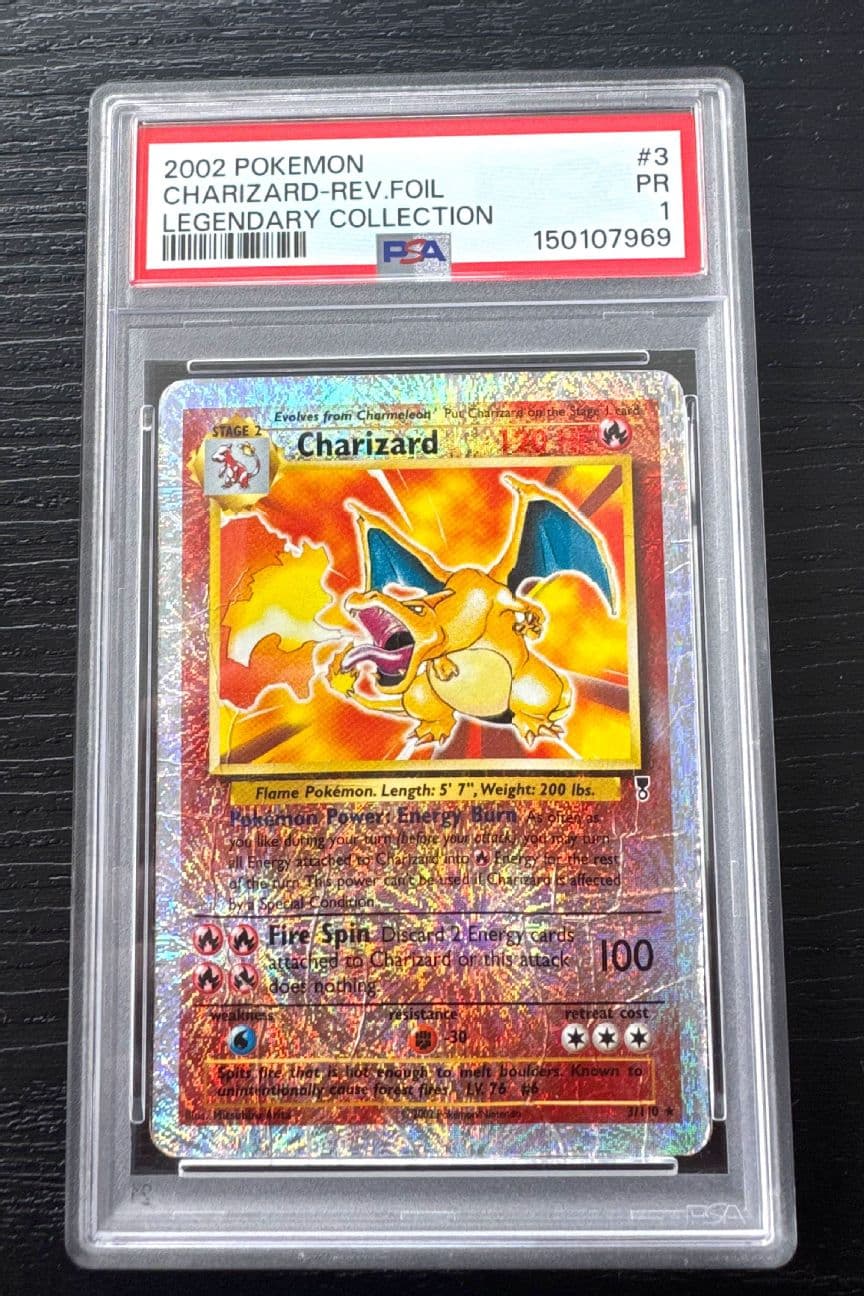
For Sale, the appeal lies in the rarity. Much like hunting for a Cy Young Award, the search for a pristine, high-grade Charizard or a unique "one-of-one" card provides a rush that few other hobbies can match. The camaraderie built over opening packs—often referred to as "ripping"—has become a way for Sale to bond with younger teammates who grew up during the height of the Pokémon craze in the late 1990s and early 2000s. The veteran presence of Sale in the hobby has turned what might have been a quiet pastime into a central part of the team's off-field culture.
The New Guard: Jacob Misiorowski and the Clubhouse Culture
While veterans like Sale lead the way, younger players like Milwaukee Brewers pitching prospect Jacob Misiorowski are the engine driving the current surge. For players like Misiorowski, Pokémon card collecting in MLB is a bridge between their childhood and their professional careers. In the high-pressure environment of professional baseball, where every pitch is scrutinized, the simplicity of trading cards offers a necessary mental break.
Inside the Milwaukee Brewers organization, the hobby has become a social event. It is not uncommon to see players gathered around a table, meticulously inspecting cards and discussing market values. Misiorowski’s involvement highlights how the hobby has permeated every level of the sport, from the minor league bus rides to the major league charter flights. It creates a common language among players, regardless of their position or tenure in the league. The shared excitement of a "big pull" creates a bond that translates to better chemistry on the diamond.
A League-Wide Phenomenon: From the Dodgers to the Braves
The Los Angeles Dodgers and other powerhouse franchises have also seen the rise of Pokémon card collecting in MLB. The clubhouse environment is often a pressure cooker, and the shared interest in collectibles provides a unique way for players to decompress. The hobby has also bled into the way players interact with fans and the broader sports memorabilia market. As professional athletes, these players have a unique perspective on the value of "rookie cards" and "rare inserts," making their transition into Pokémon collecting a natural fit.
The growth of this trend can be attributed to several key factors that resonate with professional athletes:
- Camaraderie: Trading cards fosters interaction between players who might not otherwise spend time together, breaking down the barriers between pitchers and position players.
- Investment: With the market for rare TCG cards reaching six and seven figures, many players view high-grade Pokémon cards as a legitimate alternative investment class.
- Nostalgia: For the millennial and Gen Z demographic that dominates MLB rosters, Pokémon is a core part of their upbringing, providing a sense of comfort and familiarity.
The Psychology of the Chase
Why has Pokémon card collecting in MLB taken such a firm hold? Sports psychologists suggest that the "variable reward" system of opening card packs mimics the highs and lows of a baseball season. The anticipation of what might be in the next pack provides a dopamine hit similar to a walk-off hit or a clutch strikeout. For players who are wired to seek out competition and rewards, the hobby is a perfect match for their personalities.
Furthermore, the physical nature of the cards—the texture, the holographic shine, and the protective slabs—appeals to athletes who spend their lives working with their hands. It is a tactile hobby in an increasingly digital world, allowing players to build something tangible that exists outside the diamond. In the 2026 season, this has become more than just a distraction; it is a vital part of the modern athlete's lifestyle.
Conclusion: A Lasting Clubhouse Tradition
As the 2026 season continues, the presence of Pokémon binders alongside playbooks seems here to stay. Whether it is Chris Sale looking for his next big pull or Jacob Misiorowski sharing his latest find with teammates, the culture of Pokémon card collecting in MLB has added a new layer of personality to the game. It reminds fans that even the biggest stars in the world are, at their core, fans of the chase—whether that’s chasing a championship or a holographic Charizard. As long as there are packs to rip and trades to be made, the Pokémon craze will continue to thrive in the heart of the clubhouse.
Sources & Original Reporting


