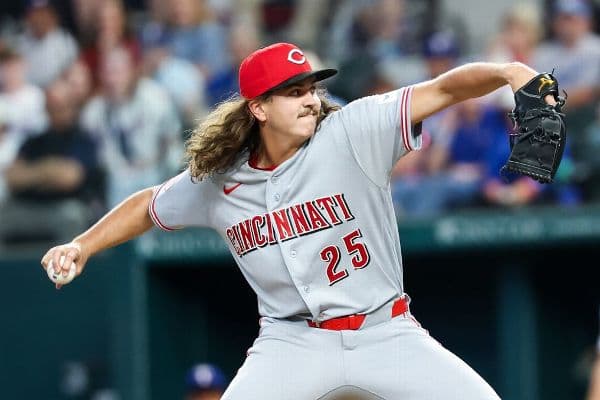
The Cincinnati Reds' rotation concerns deepened on Thursday afternoon at Wrigley Field. During a high-stakes matchup against the Chicago Cubs, promising young right-hander Rhett Lowder was forced to make an early exit, leaving the game in the bottom of the fourth inning due to right shoulder discomfort. The Rhett Lowder injury immediately cast a shadow over the Reds' performance as the team awaits further diagnostic results on their rising star.
The Scene at Wrigley Field: Rhett Lowder Injury Details
The trouble began in the fourth frame when Lowder appeared to lose some of his characteristic command. After a series of pitches that lacked his usual bite, the Reds' medical staff and manager Terry Francona emerged from the dugout to check on the 24-year-old starter. Following a brief conversation on the mound and a few tentative warm-up tosses, it became clear that Lowder could not continue. Francona signaled to the bullpen, officially ending Lowder's afternoon after just 3.1 innings of work.
The team quickly announced that the exit was necessitated by right shoulder discomfort. While the Reds have not yet released the results of initial tests, any shoulder issue for a pitcher of Lowder’s pedigree is a cause for significant concern. To fill the void on the mound, Francona turned to reliever Connor Phillips, who was tasked with navigating the middle innings of a divisional battle that suddenly became much more complicated for the Cincinnati pitching staff.
Terry Francona and the Reds' Rotation Strategy
Since taking over the helm of the Cincinnati Reds, Terry Francona has emphasized the importance of a stable, durable starting rotation. Lowder, a former first-round selection out of Wake Forest, has been a primary beneficiary of this leadership, developing into a reliable arm that the Reds hoped would anchor their staff for years to come. The Rhett Lowder injury disrupts the rhythm Francona has established and puts immense pressure on the rest of the rotation to pick up the slack.
Lowder’s rise through the system has been a bright spot for the organization. Known for his polished delivery and advanced feel for pitching, he has quickly become a fan favorite in Cincinnati. Seeing him walk off the field with the training staff is a difficult blow for a club that is fighting for every win in the competitive NL Central. The focus now shifts from his performance on the mound to his recovery in the training room.
Impact on the Bullpen and Connor Phillips
When a starter exits in the fourth inning, the ripple effect is felt immediately in the bullpen. By calling on Connor Phillips to bridge the gap, the Reds had to pivot their entire game plan. Phillips, who has shown flashes of brilliance but has also battled consistency, was thrust into a high-leverage situation with little notice. The reliance on the relief corps following the Rhett Lowder injury highlights a recurring challenge for modern MLB managers: balancing the need for immediate outs with the long-term health of the bullpen arms.
- Increased Workload: The Reds' bullpen will likely face a heavy workload over the next series as the rotation is reshuffled.
- Roster Moves: Depending on the severity of Lowder's shoulder discomfort, the Reds may need to recall a fresh arm from their Triple-A affiliate.
- Rotation Stability: With Lowder potentially sidelined, the pressure increases on the remaining starters to pitch deeper into games to protect the relief staff.
What Lies Ahead: Evaluation and Recovery
The standard protocol for a Rhett Lowder injury involving shoulder discomfort includes an immediate evaluation by the team's medical experts, likely followed by an MRI to rule out structural damage such as labrum or rotator cuff issues. In the modern era, teams are notoriously cautious with young pitchers, often opting for a stint on the Injured List (IL) to ensure full recovery rather than risking a more severe setback by rushing a return.
For the Reds, the timing is particularly challenging. As they navigate the 2026 season under Francona’s veteran guidance, maintaining a healthy core of young talent is essential for a sustained postseason push. The organization will likely provide an update once the swelling subsides and the imaging results are reviewed by the specialists. Until then, the Reds must find a way to stay competitive without one of their most effective weapons. The baseball world will be watching closely to see how the Reds manage this latest hurdle and whether Lowder can return to the mound before the season's most critical stretch.
Sources & Original Reporting