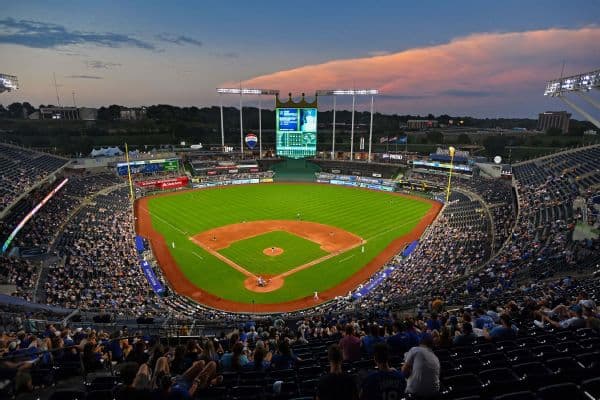
The clock is ticking for the Kansas City Royals, and owner John Sherman knows it. With the Kansas City Royals stadium lease set to expire at the end of the 2031 season, the franchise finds itself at a pivotal crossroads. During a press conference on Monday, Sherman acknowledged that the organization feels a growing sense of urgency to finalize plans for the team’s future home, whether that involves a massive renovation of the historic Kauffman Stadium or the construction of a new facility elsewhere.
The Ticking Clock for the Kansas City Royals Stadium Lease
While 2031 might seem like a distant date on the calendar, the reality of major professional sports infrastructure is that a seven-year window is remarkably tight. Sherman highlighted that the complexities of modern stadium projects—ranging from site selection and architectural design to legislative approval and actual construction—require decisions to be made sooner rather than later. The Kansas City Royals stadium lease currently anchors the team to the Truman Sports Complex, but the expiration date is no longer a theoretical concern; it is a hard deadline.
"We feel a sense of urgency," Sherman stated on Monday. The owner emphasized that the team needs to have a clear path forward well before the current agreement concludes to ensure a seamless transition for the fans and the players. Kauffman Stadium, while widely regarded as one of the most beautiful and well-maintained "classic" ballparks in Major League Baseball, is aging. Opened in 1973, the facility faces structural and technological challenges that become more expensive to manage with each passing season.
Lessons from the Failed April Sales Tax Vote
The urgency expressed by Sherman is compounded by the political and social hurdles the team has already faced. Last April, voters in Jackson County rejected a high-profile sales tax measure that would have provided the necessary funding for a new downtown ballpark for the Royals and renovations for the neighboring Arrowhead Stadium, home of the NFL's Kansas City Chiefs. The defeat was a significant setback for the Kansas City Royals ownership group, forcing them to go back to the drawing board.
Since that vote, the conversation has shifted. Sherman and his team have had to re-evaluate their strategy, looking at alternative locations and funding models. While the owner remains committed to keeping the team in the Kansas City region, the failure of the initial tax measure has added pressure to find a solution that satisfies both the team's economic needs and the taxpayers' expectations. The rejection served as a wake-up call that a deal for the next stadium lease will require a more refined approach and perhaps a different geographic focus.
The Path Forward: Renovation or Relocation?
One of the primary questions facing the Royals is whether they can modernize their current home or if a move is inevitable. Kauffman Stadium is beloved by the local community, known for its iconic fountains and clean sightlines. However, the cost of bringing a 50-year-old stadium up to modern MLB standards—which include enhanced premium seating, integrated entertainment districts, and advanced player facilities—can sometimes rival the cost of building a new stadium from scratch.
Sherman’s comments on Monday suggest that all options remain on the table. The team has explored potential sites in downtown Kansas City, as well as locations in Clay County and even across the state line in Kansas. The goal is to create a "ballpark district" that generates year-round revenue, a model that has become the gold standard in MLB following the success of projects like The Battery in Atlanta. To achieve this, the Kansas City Royals stadium lease must be tied to a site that allows for significant commercial development surrounding the park.
Timeline and Infrastructure Challenges
The logistics of building a new stadium typically involve a three-to-five-year construction cycle, but that doesn't account for the years of political negotiation and site preparation that must happen first. If the Royals intend to be in a new home by the 2032 season, they likely need to have a site secured and a funding plan approved within the next 24 months. This reality is the driving force behind Sherman's admitted urgency.
Furthermore, the future of the Royals is intrinsically linked to the future of the Kansas City Chiefs. Both teams currently share the Truman Sports Complex, and their leases are intertwined. As both franchises look toward the next decade, the coordination between the two organizations and local government officials will be critical. Sherman noted that the team is working diligently to explore every avenue to ensure the Royals remain a cornerstone of the Kansas City sports landscape for decades to come.
What This Means for Royals Fans
For the fans, Sherman’s transparency about the Kansas City Royals stadium lease is a double-edged sword. On one hand, it shows a commitment to long-term stability in the region. On the other, it signals that the coming years will be filled with difficult conversations about taxes, locations, and the potential loss of the "The K" as they know it. As the 2024 MLB season continues, the action on the field will be matched by the high-stakes negotiations taking place in the front office.
The Royals are currently in a period of transition both on and off the field. With a young core of players led by Bobby Witt Jr., the team is looking to build a winning culture that coincides with a modern stadium experience. John Sherman’s admission of urgency is the first step in what promises to be one of the most significant eras in the history of the Kansas City Royals.
Sources & Original Reporting