The landscape of Major League Baseball shifted officially this week as the San Diego Padres sale reached its conclusion, with the franchise changing hands at a staggering valuation of $3.9 billion. While the price tag represents a massive financial milestone for the league, the finalization of the deal serves as the definitive closing chapter of the late Peter Seidler’s transformative tenure. Under Seidler’s stewardship, the Padres evolved from a perceived small-market afterthought into one of the most aggressive and culturally significant organizations in professional sports.
A Record-Breaking Valuation for the San Diego Padres Sale
The San Diego Padres sale at $3.9 billion is more than just a line item in a financial ledger; it is a testament to the brand equity built over the last decade. When Seidler first became the lead investor of the group that purchased the team in 2012 (at a valuation of approximately $800 million), few could have predicted that the franchise would nearly quintuple in value. This growth was fueled by a relentless commitment to winning and a refusal to adhere to traditional market-size constraints.
The final sale price places the Padres among the elite tier of MLB franchises, proving that fan engagement and star power can drive revenue regardless of a city's TV market rank. By investing heavily in the product on the field, Seidler created a self-sustaining cycle of sellout crowds at Petco Park and national relevance that the new ownership group will now inherit.
The Seidler Philosophy: Spending for the City
To understand why the Padres reached a $3.9 billion valuation, one must look at the aggressive roster building that defined the Seidler era. While other mid-market teams focused on "efficiency" and payroll reduction, Seidler empowered General Manager A.J. Preller to hunt for the biggest names in the sport. The strategy was built on the belief that the fans in San Diego would respond to a team that acted like a heavyweight.
Key pillars of this transformation included:
- The signing and subsequent extension of Manny Machado, who became the face of the franchise's new identity.
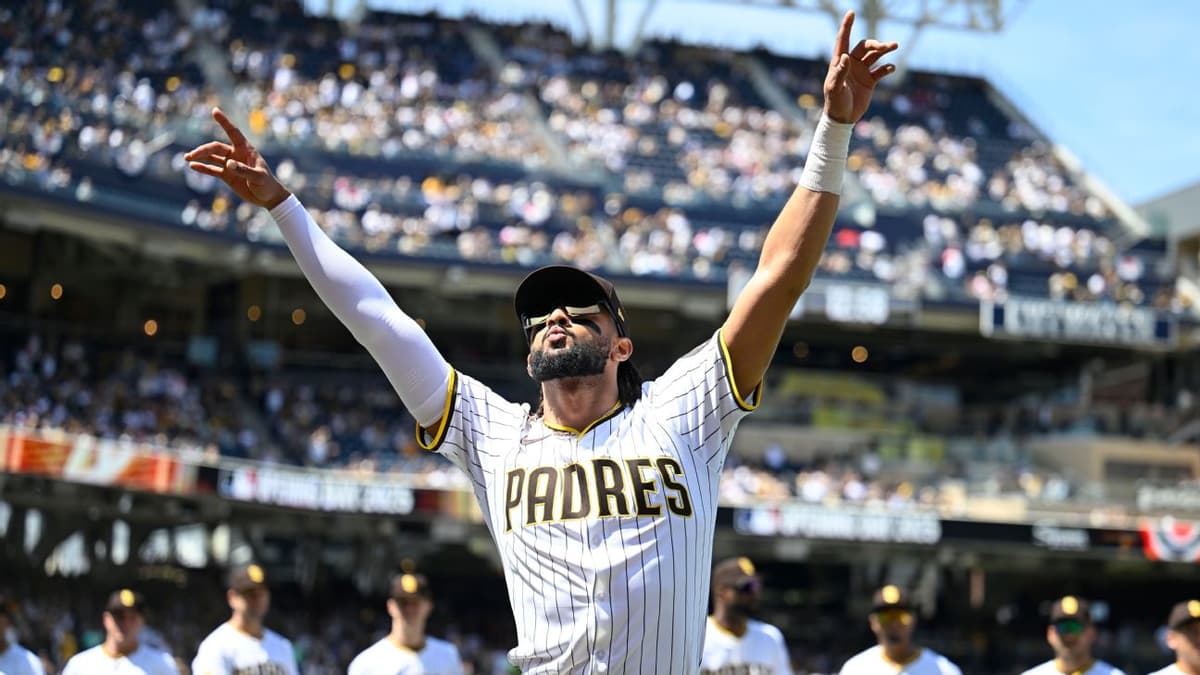
- The massive 14-year commitment to Fernando Tatis Jr., securing one of the game's most electric talents for the long term.
- A flurry of high-profile trades and free-agent acquisitions that kept the Padres in the national spotlight year-round.
Seidler famously dismissed the term "small market," often stating that his goal was to bring a World Series championship to a city that had long hungered for sports success. His willingness to run high payrolls was not just about vanity; it was a business strategy that turned the Padres into a regional powerhouse.
The Role of A.J. Preller and Front Office Stability
A significant portion of the legacy being cemented by this sale is the partnership between Seidler and A.J. Preller. Throughout the ups and downs of various seasons, Seidler remained steadfast in his support of Preller’s high-octane approach to talent acquisition. This stability allowed the Padres to maintain a clear direction, even when the results on the field didn't immediately result in a trophy.
The sale process ensures that the infrastructure Seidler built—ranging from the scouting departments to the modernized fan experience at Petco Park—remains a core asset of the organization. The $3.9 billion price tag reflects the value of this established winning culture and the operational excellence that Preller continues to oversee.
What the Future Holds for the Padres
As the sale becomes official, the focus shifts to how the new ownership group will build upon the foundation Seidler left behind. The mandate is clear: maintain the momentum that has made the Padres a perennial contender. With Manny Machado and Fernando Tatis Jr. locked in as the cornerstones of the lineup, the team remains positioned to compete at the highest level of the National League West.
Peter Seidler’s legacy is not just the billions of dollars the team is now worth, but the sense of pride he restored to San Diego sports fans. He proved that an owner's passion, when backed by significant capital and a clear vision, can rewrite the rules of MLB economics. As the San Diego Padres sale closes, the baseball world looks on at a franchise that has been forever changed.
Sources & Original Reporting